Hydraulic Structures & Flood Control: A Case Study of the Red River, Vietnam (Part 2)
Hanoi, Vietnam's second-largest city, lies in the Red River Delta, a region prone to heavy rainfall and flooding, with risks exacerbated by climate change
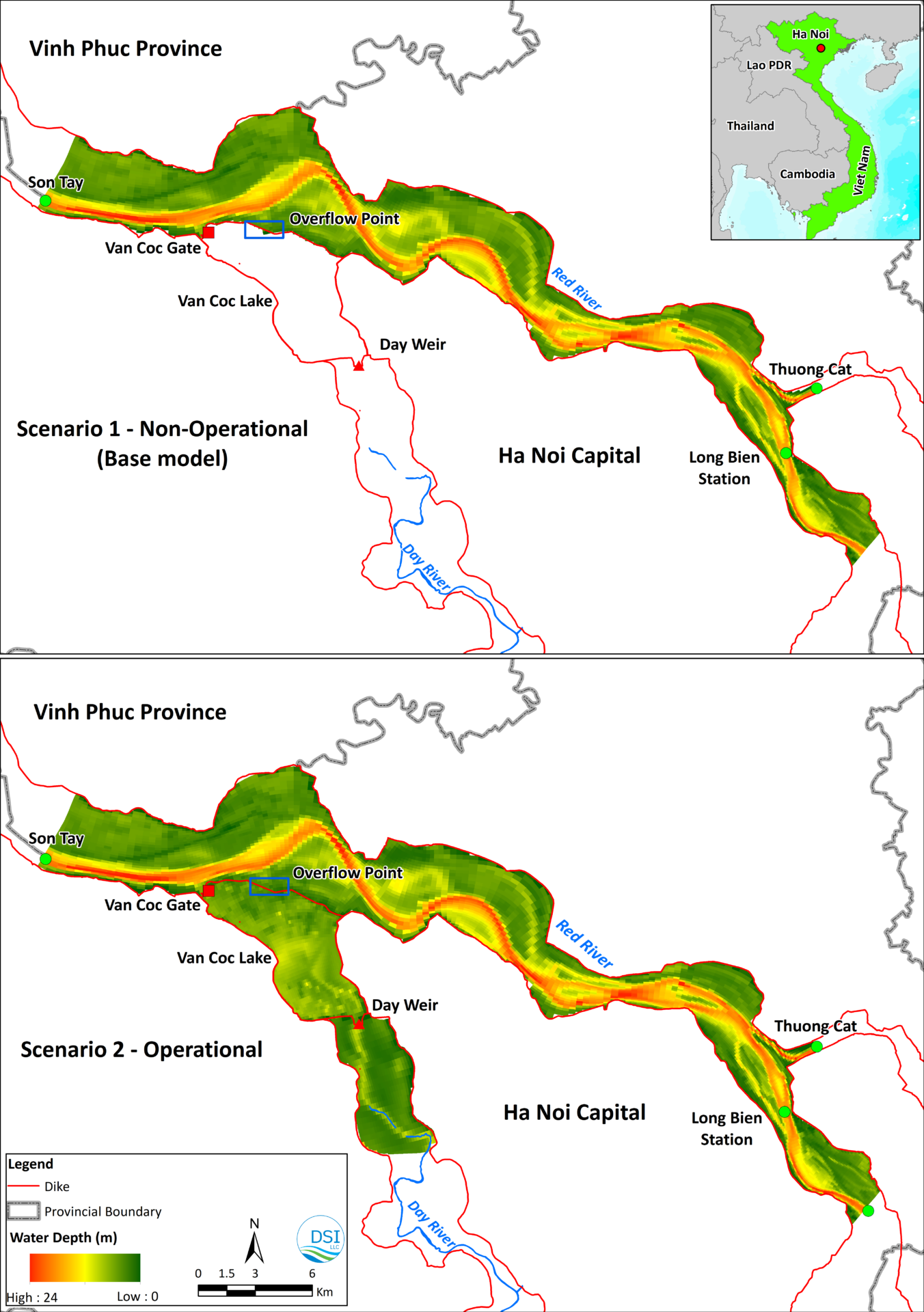
Hanoi, Vietnam's second-largest city, lies in the Red River Delta, a region prone to heavy rainfall and flooding, with risks exacerbated by climate change
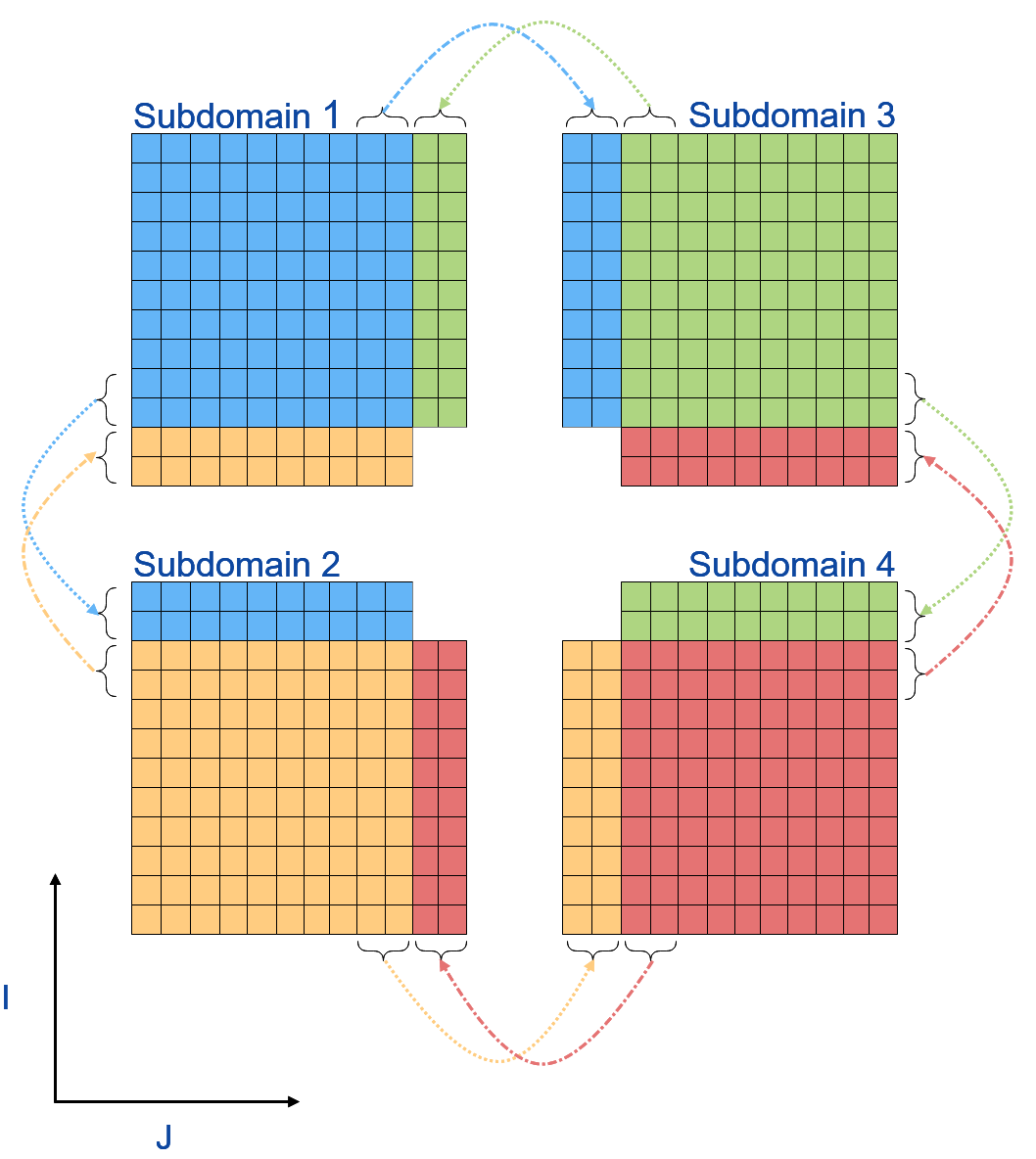
A primary function of EFDC+ is to solve the governing Partial Differential Equations (PDEs) for fluid flow and constituent transport.
Since the early development of Environmental Fluid Dynamics Code (EFDC)
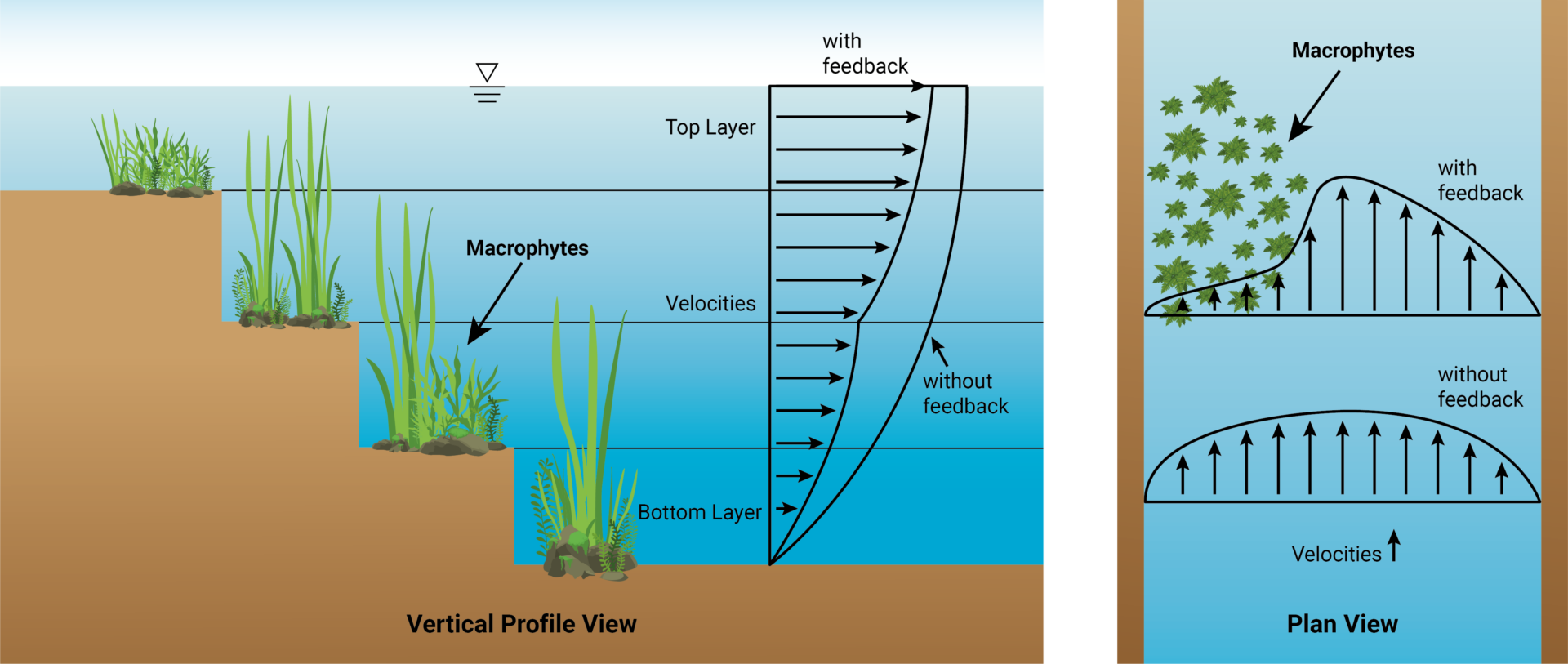
Submerged macrophytes are part of an essential relationship between the physical habitat and the biological community.
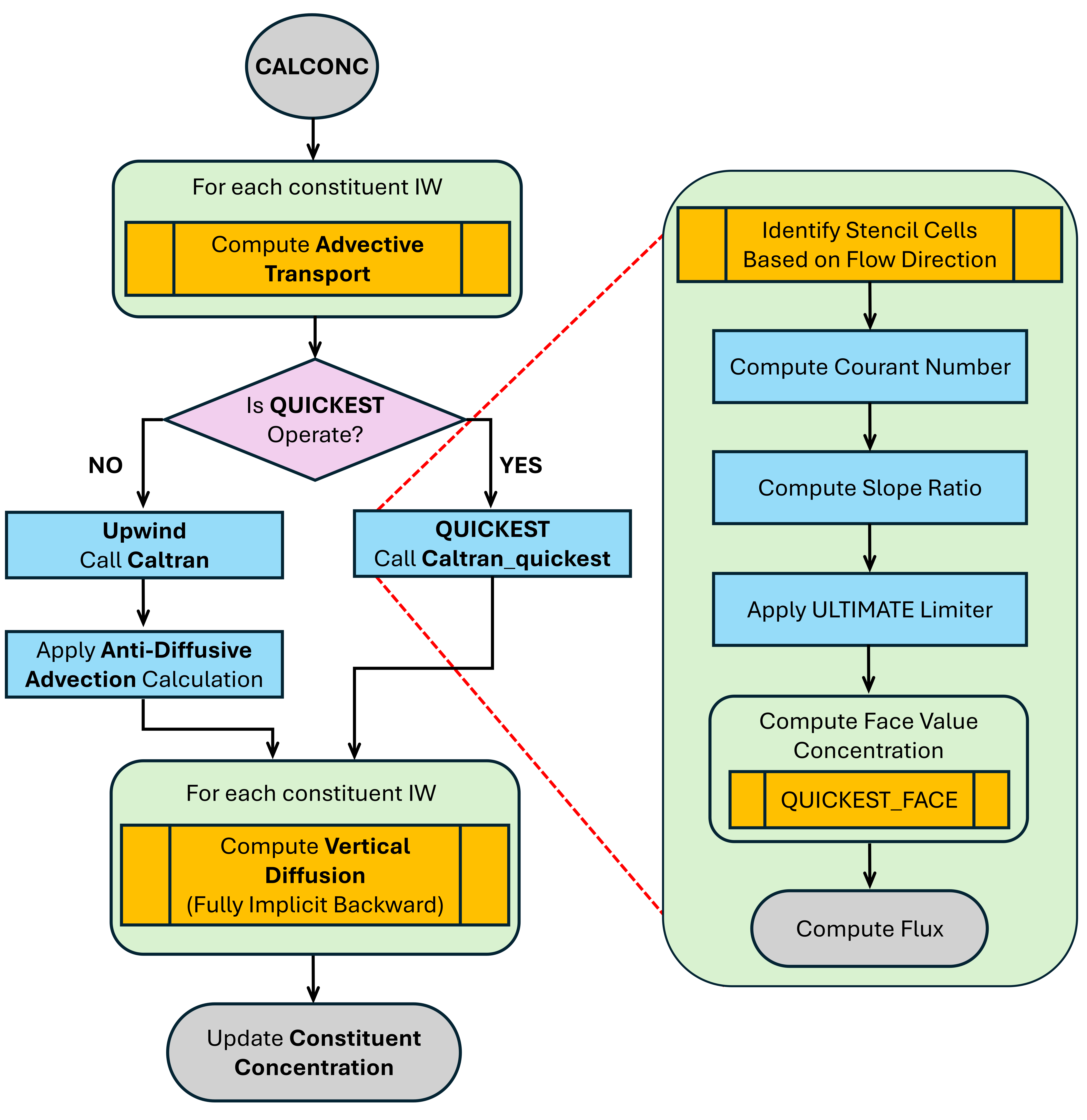
EEMS 12.5 introduces the ULTIMATE-QUICKEST scheme for advective transport in EFDC+, using quadratic interpolation to achieve third-order accuracy and reduce numerical diffusion while maintaining numerical stability.

The Coupled Ocean-Atmosphere Response Experiment (COARE) bulk algorithm, developed by C. Fairall, E. F. Bradley, and D. Rogers
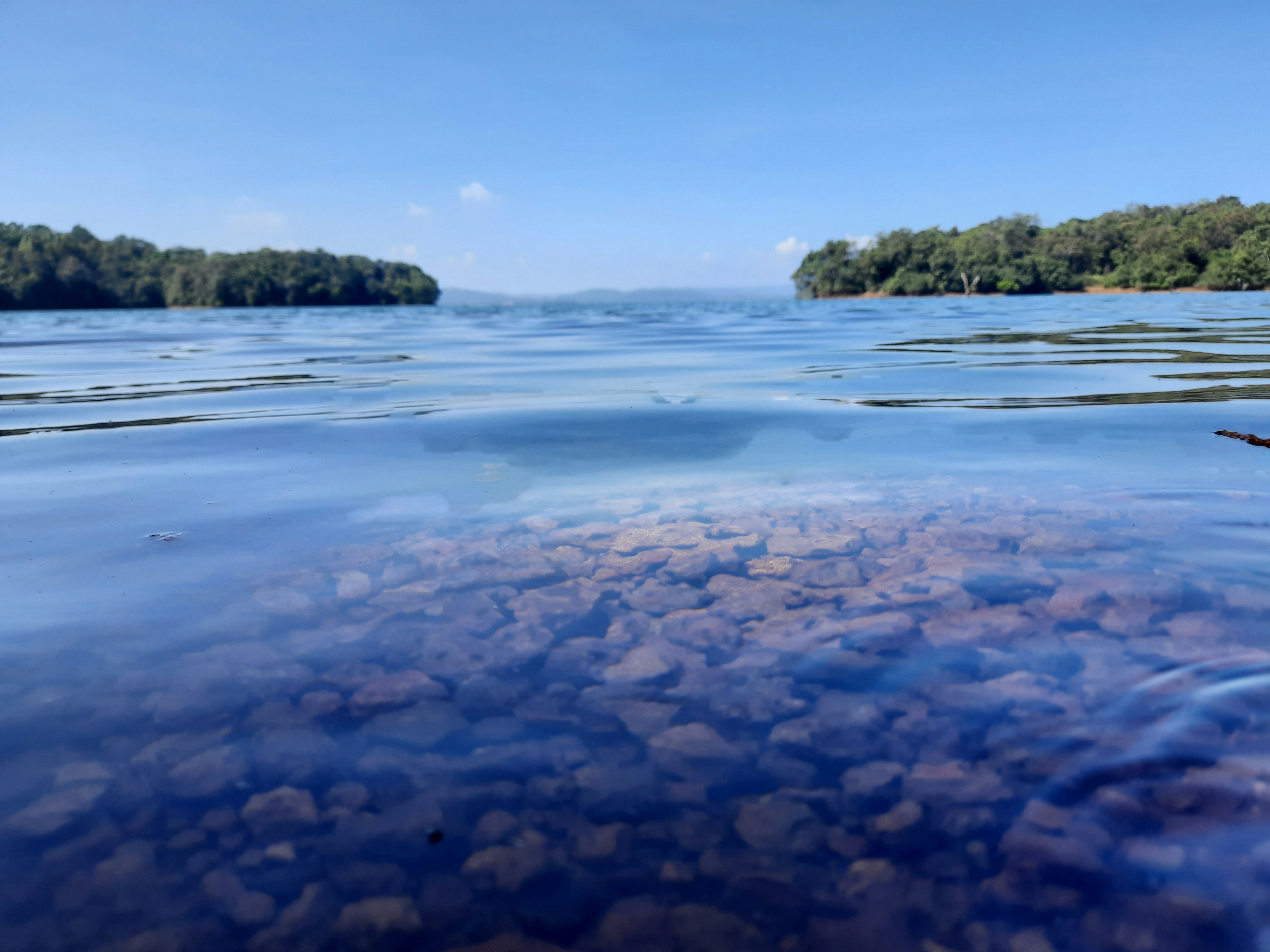
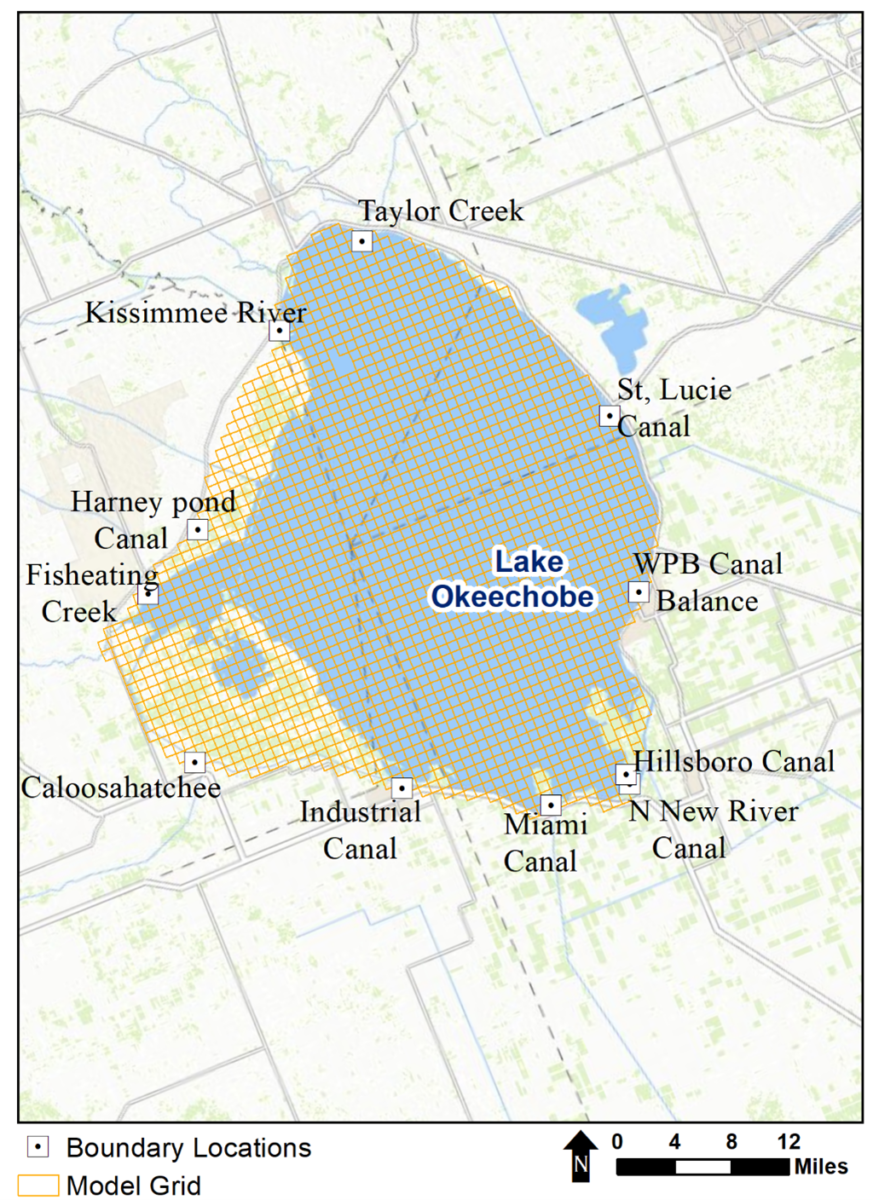
DSI developed a three-dimensional water quality model using EEMS to generate predictions of eutrophic characteristics, including dissolved oxygen levels, algal concentrations, and nutrient rates.
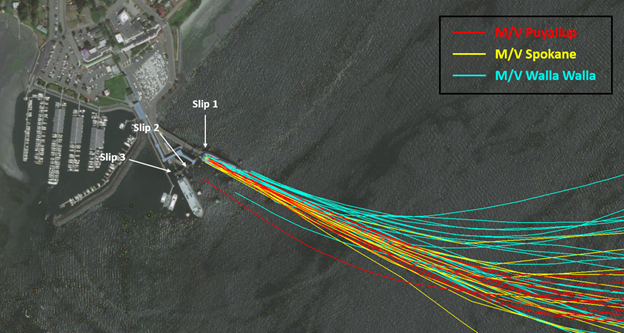
Sediment erosion caused by propeller wash from ships is of considerable concern in many ports and harbors for terminal safety.
In recent decades, loss of life from natural disasters has dropped considerably as we have become better prepared with respect to warnings and emergency preparedness.
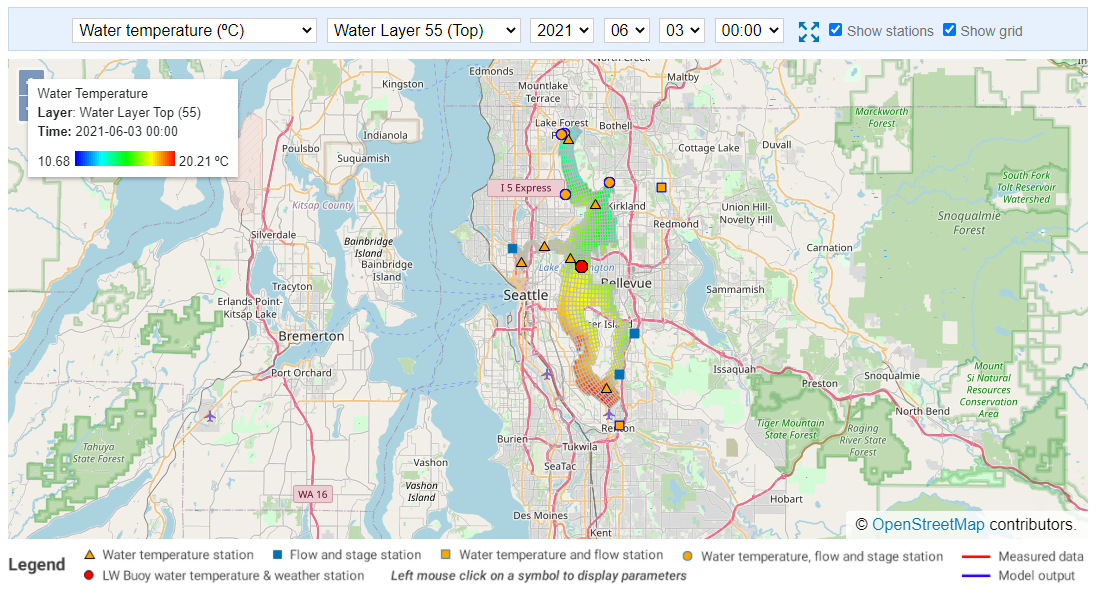
DSI recently developed a real-time model for Lake Washington, along with a public-access model portal.
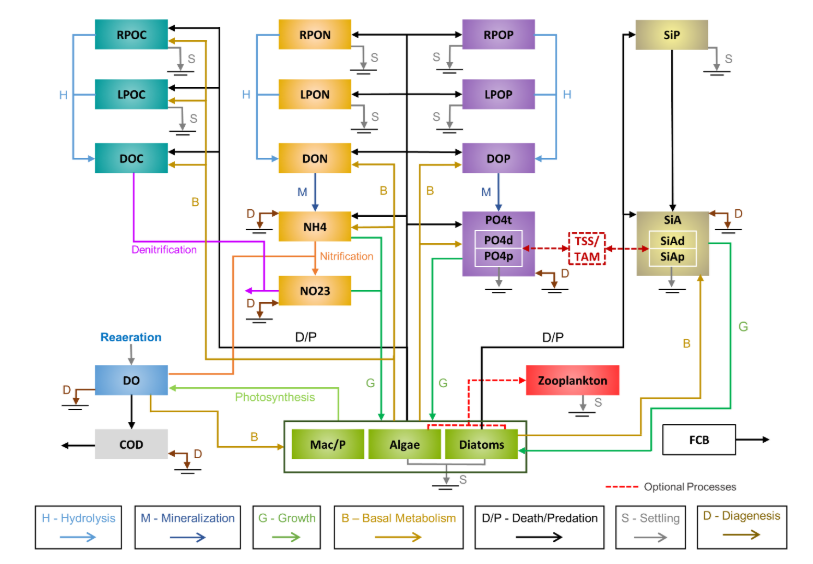
In EFDC+, the eutrophication module refers to modeling aquatic plants and algae, zooplankton, and the biochemical transformation of nutrients during this process.
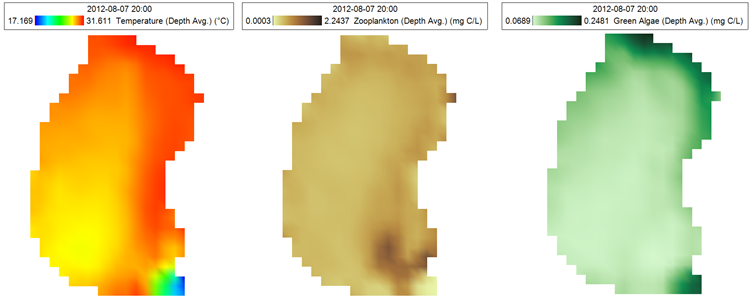
Zooplankton population modeling is a significant new feature in the recently released version of EFDC+ Explorer Modeling System (EEMS 10.3)
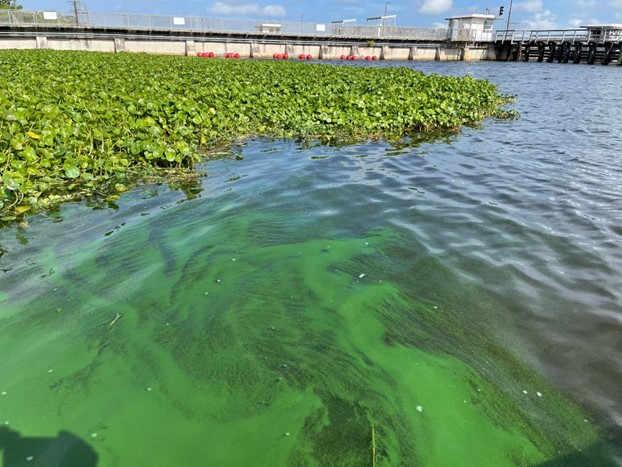
Cyanobacteria, also known as blue-green algae, are diverse photosynthetic bacteria that play a crucial role in Earth's ecosystems.
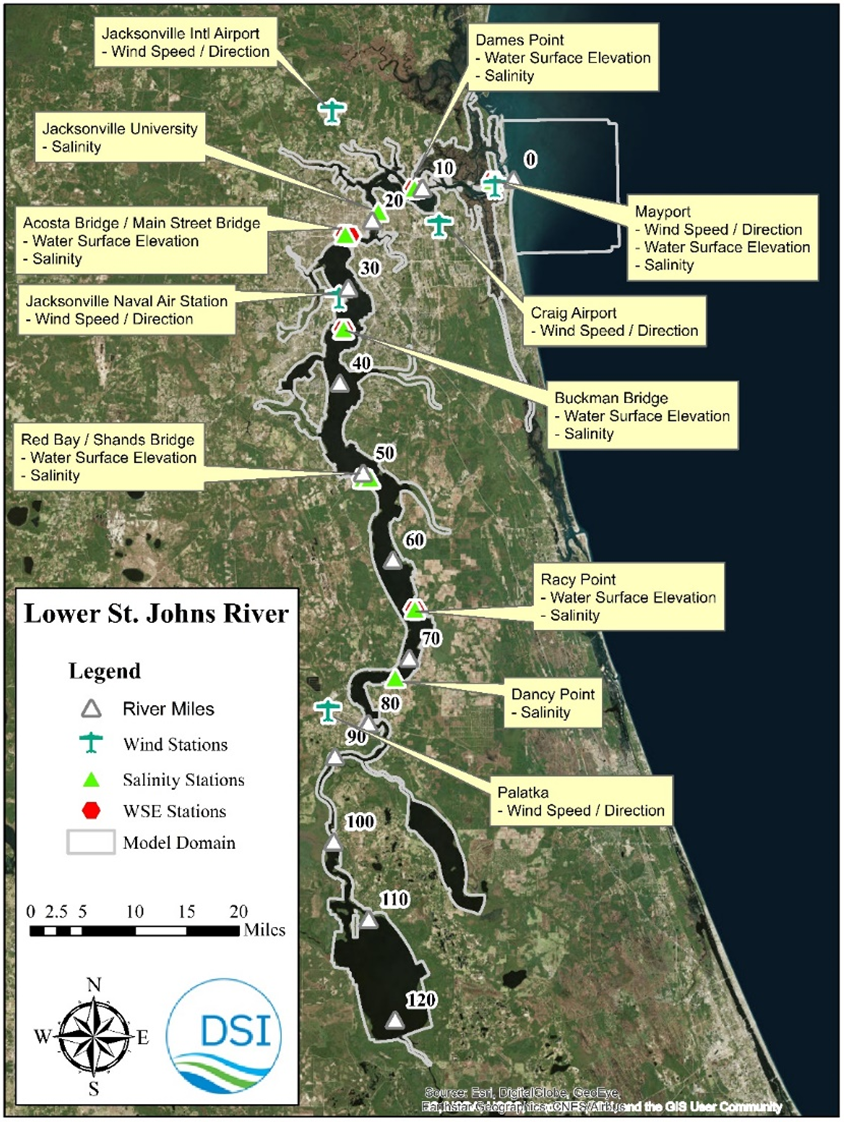
A case study on the Lower St. Johns River Estuary demonstrating how EFDC+ and EEMS can model long-term salinity intrusion and translate modeled salinity patterns into actionable habitat indicators.
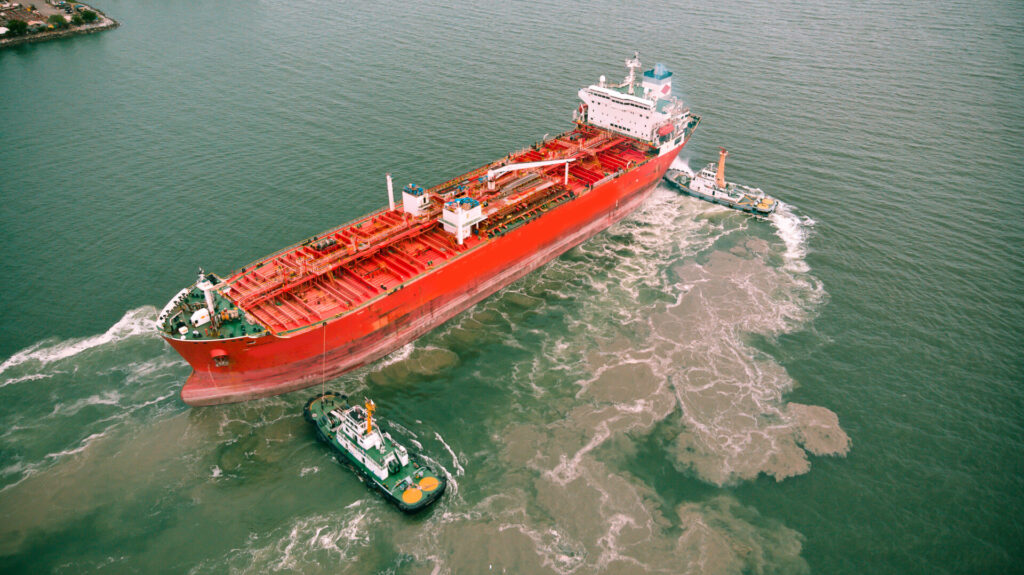
Sediment resuspension occurs in harbors across the world as a function of propeller-induced water velocities, and resulting shear stress, at the sediment-water interface.