In-Person EEMS Training Edmonds, WA · Sept 21–23, 2026 Register →
Habitat Analysis

Light Analysis and Submerged Aquatic Vegetation

Light penetration analysis and rooted plant / epiphyte (RPEM) modeling for submerged aquatic vegetation (SAV) habitat.

Modeling Light & Submerged Aquatic Vegetation (SAV)

Submerged aquatic vegetation (SAV) provides shelter, food, and clean water for fish, birds, and other wildlife — but its survival depends on getting enough light. Turbidity from runoff, dredging, or algal growth can push SAV communities past the point of recovery.

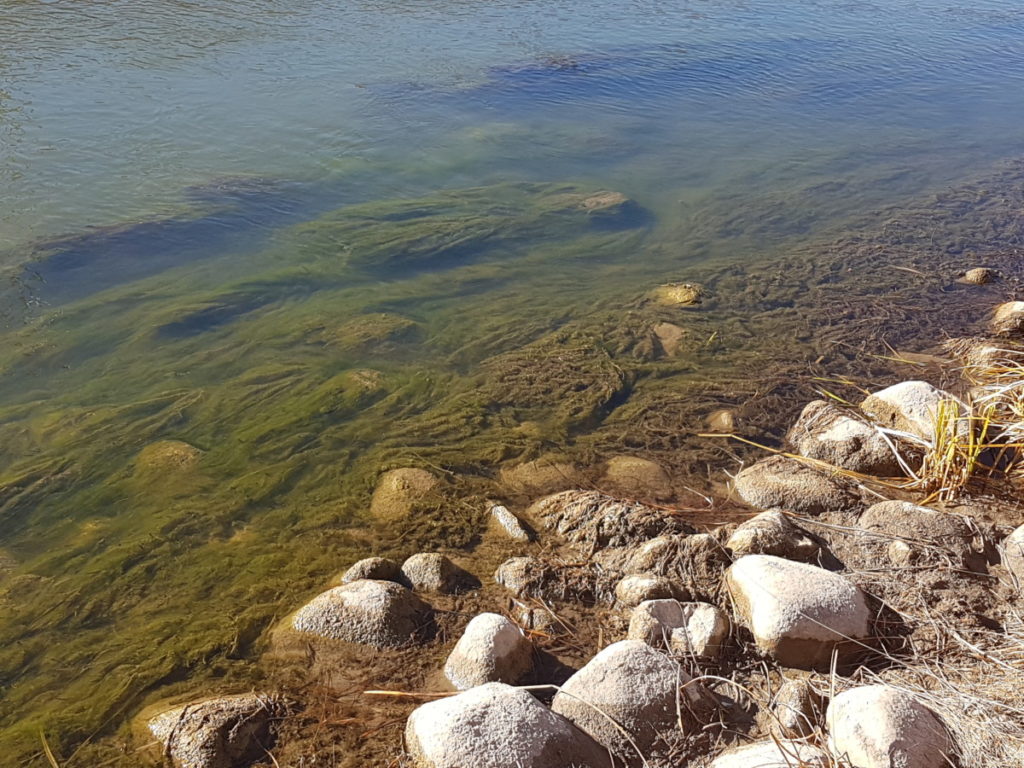
Submerged aquatic vegetation in the Little Bow River, Alberta, Canada. Submerged aquatic vegetation in the Little Bow River, Alberta, Canada.
Submerged aquatic vegetation, Little Bow River, Alberta
EEMS Capabilities

EEMS offers dedicated tools for light penetration analysis, including bottom irradiance calculations and spatial habitat statistics. EFDC+‘s rooted plant and epiphyte sub-model (RPEM) simulates SAV growth and decline along with the nutrient and sediment interactions that drive it — giving a complete picture of what affects SAV health and how it responds to management.

Projects

Little Bow River, Alberta, Canada — SAV and Epiphyte Modeling

Visit source

EEMS was used to model rooted aquatic plants and epiphytes in the Little Bow River, covering the main stem, Twin Valley Reservoir, and Mosquito Creek. The model was calibrated for water quality including dissolved oxygen and nutrients, and a sensitivity analysis evaluated how plants respond under different loading scenarios.
Oldman River, Alberta, Canada — Instream Water Quality and SAV

Visit source

DSI developed a hydrodynamic and water quality model of the Oldman River for AESRI, covering temperature, oxygen, organic carbon, phosphorus, nitrogen, and algae. A sensitivity study of the plant and epiphyte module assessed how aquatic vegetation responds to changes in contaminant loading and management options.

Dam with mountains