Habitat Analysis
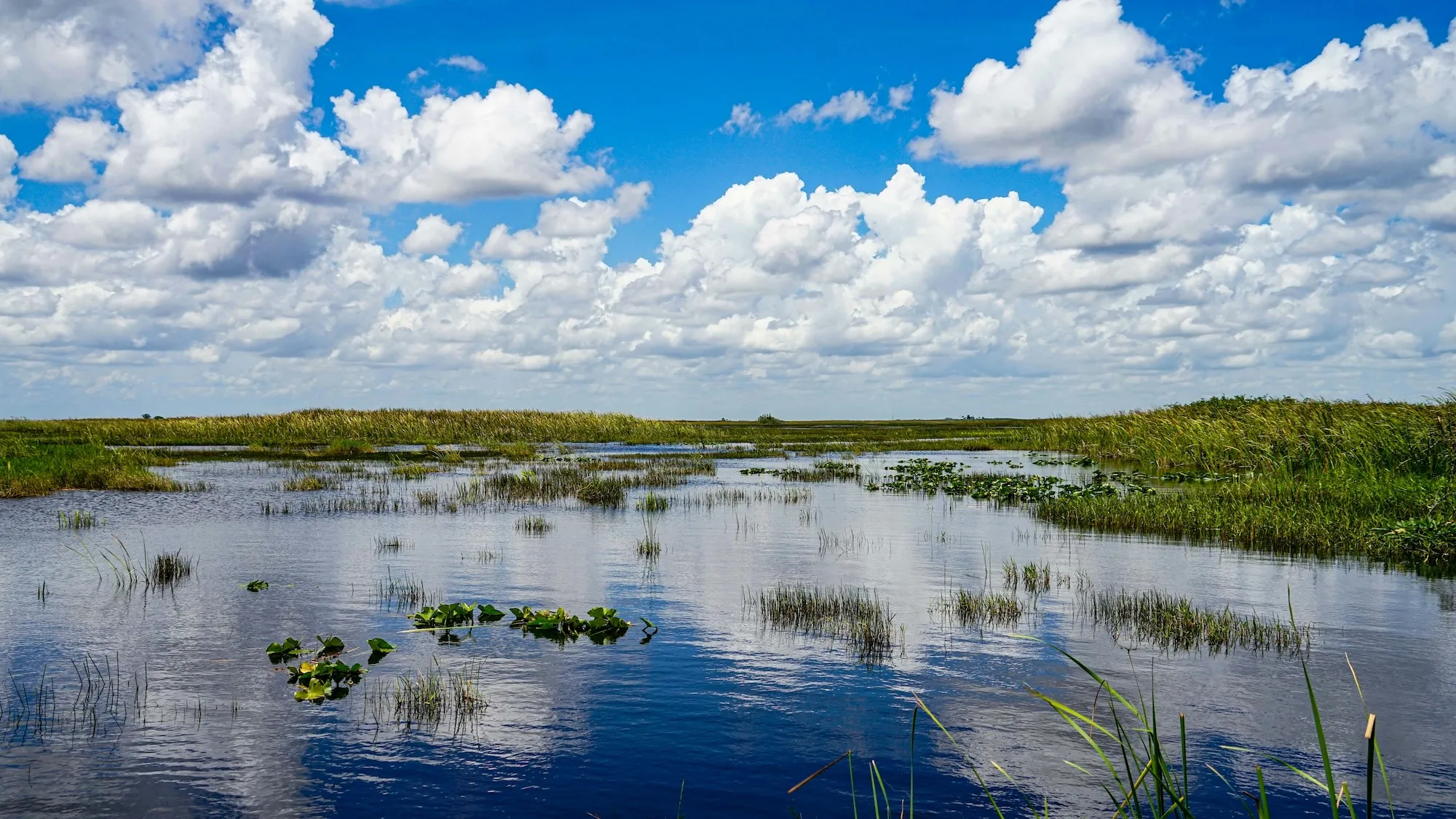
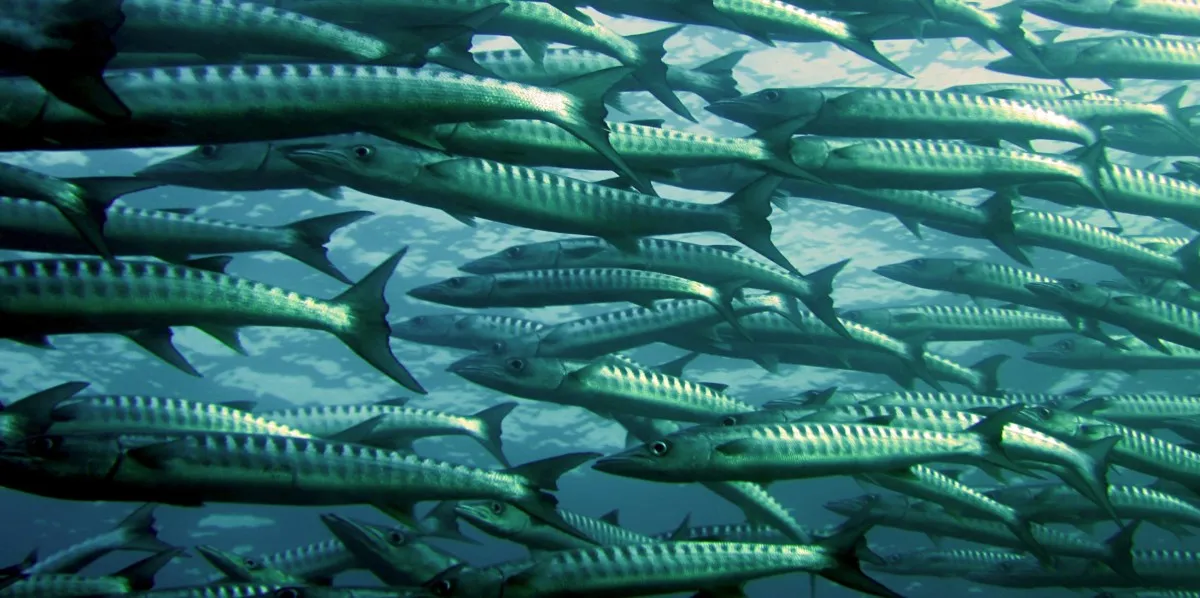
A significant factor in species distribution and survival is the quality of their habitat. Engineering structures, land use practices and the physical diversity of waterbody can create stresses on habitats and adversely affect the survival of species. Environmental managers identify the critical habitats for the species and propose alternatives for their restoration. EEMS can be used to support environmental managers in identifying these critical habitats in a natural system, and evaluate the alternatives to address the stresses that are affecting these habitats.
Available Solutions
Choose from our range of specialized solutions designed to meet your specific needs.
Instream Flow Incremental Method (IFIM)
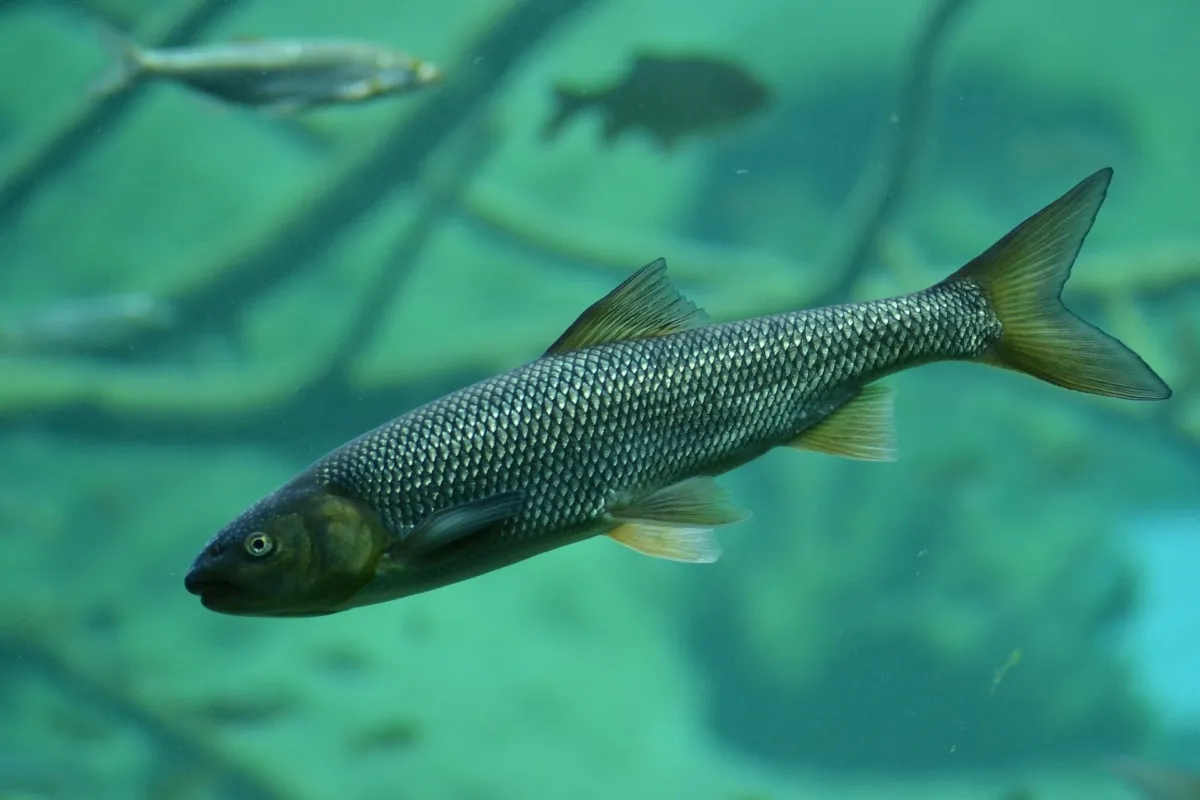
Full 3D IFIM habitat suitability analysis — an advanced PHABSIM with hydrodynamics, water quality, sediment, and toxics.
Learn More →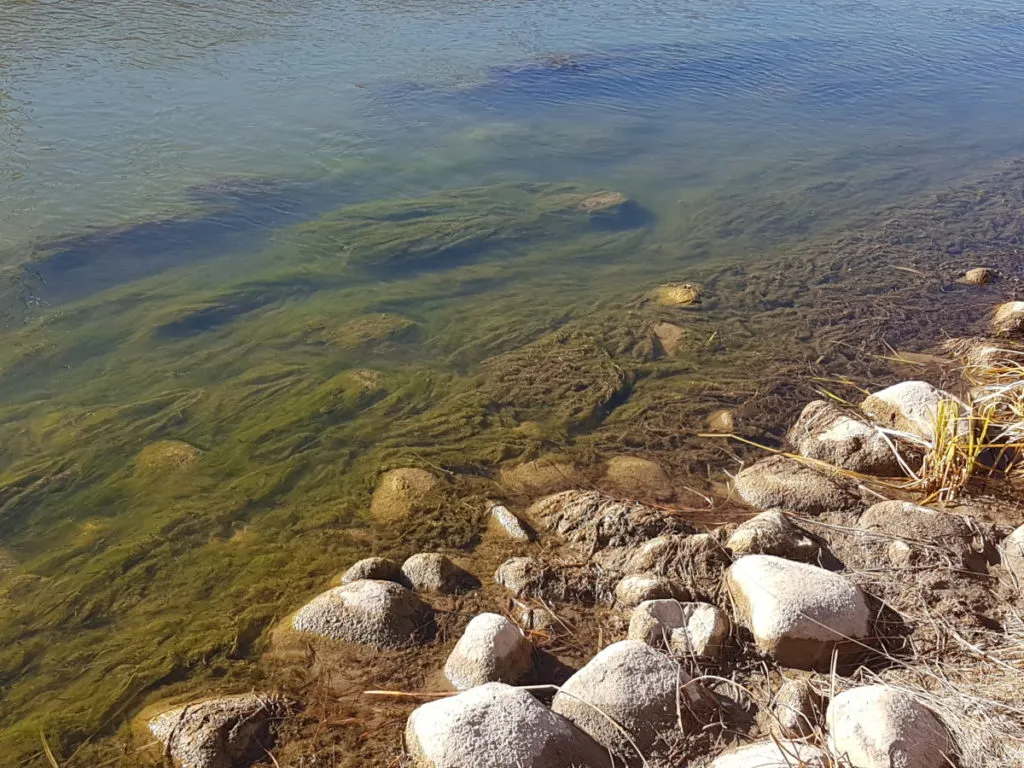
Light Analysis and Submerged Aquatic Vegetation
Light penetration analysis and rooted plant / epiphyte (RPEM) modeling for submerged aquatic vegetation (SAV) habitat.
Learn More →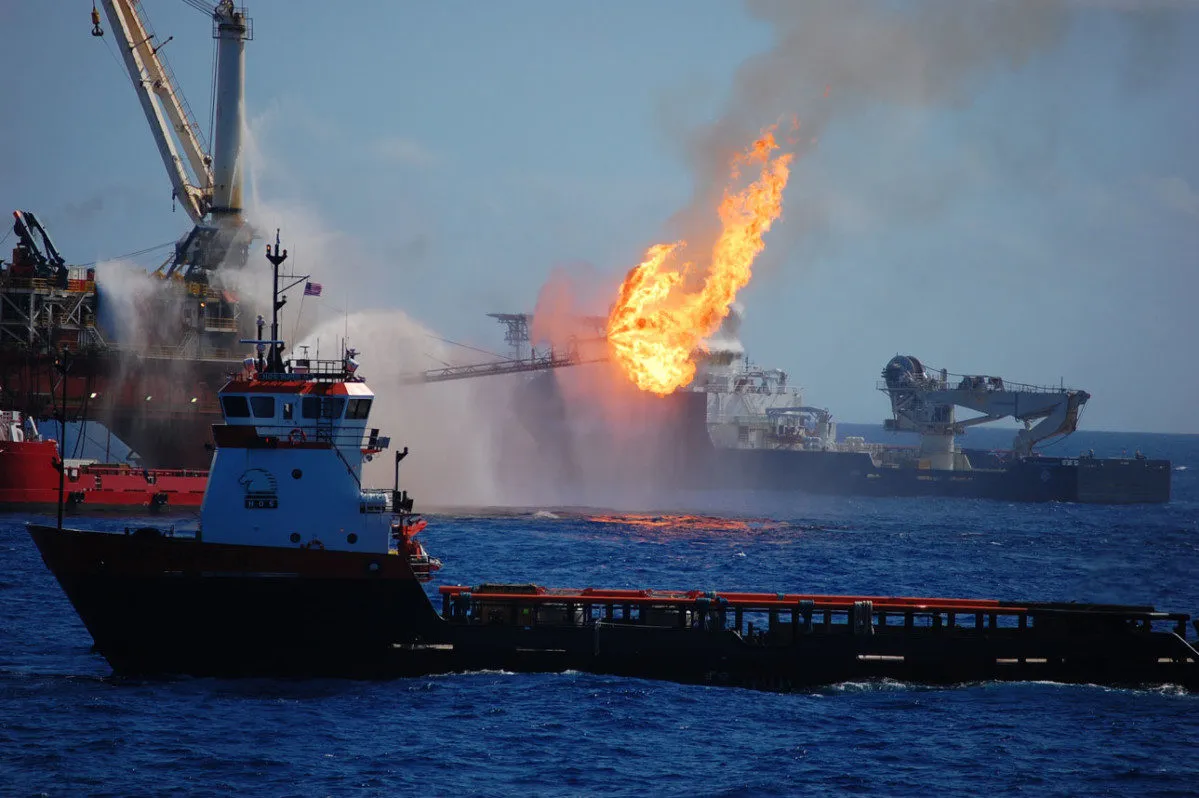
Oil Spills
Offshore energy activities can pose significant risk to the environment as demonstrated by Deepwater Horizon and many other historic oil spills.
Learn More →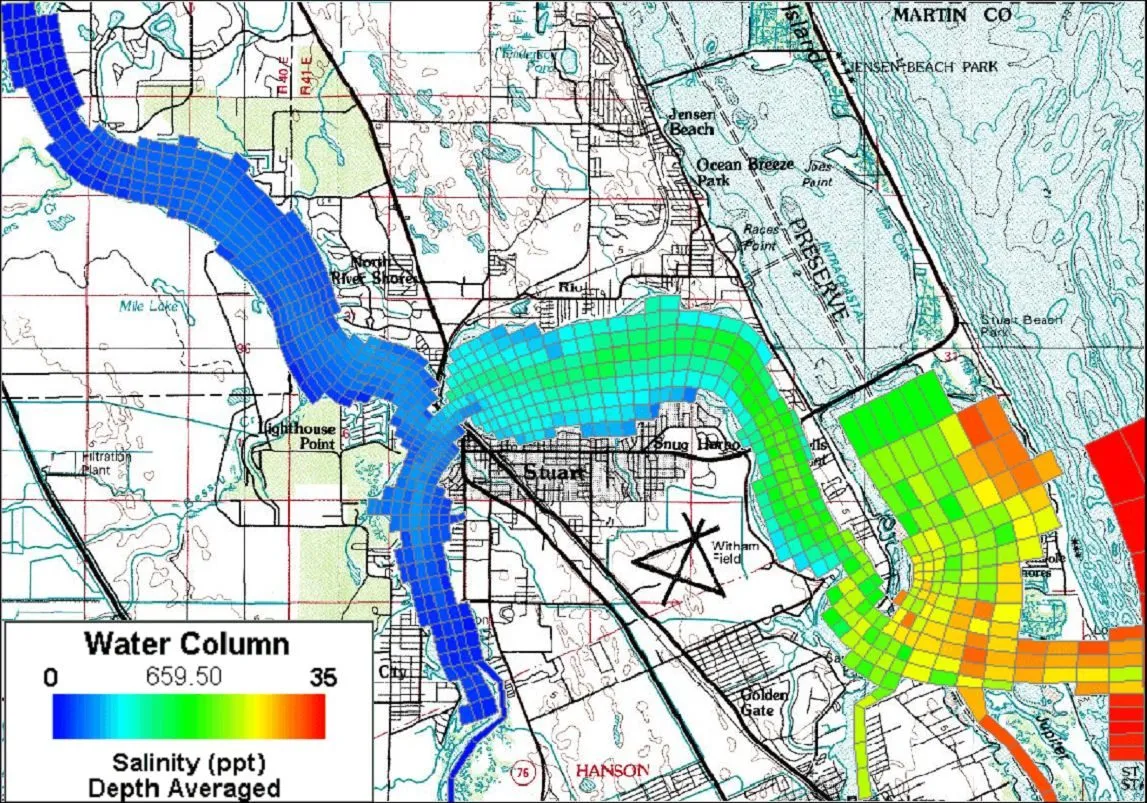
Salinity Intrusion
3D salinity intrusion modeling for estuaries and rivers — protecting water supplies, oyster beds, and seagrass from saltwater intrusion.
Learn More →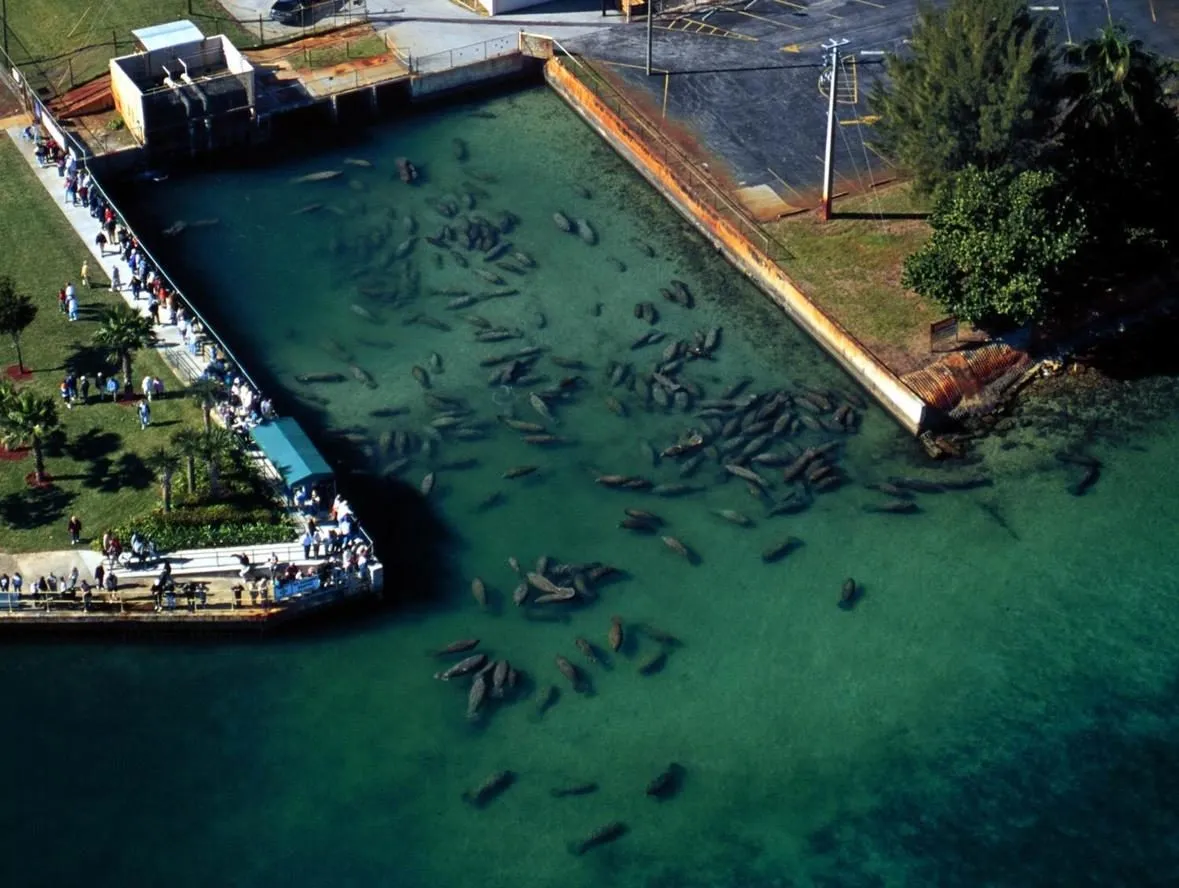
Water Temperature
Thermal modeling for habitat assessment, power plant compliance, and climate impacts — stratification, surface heat exchange, and ice.
Learn More →