In-Person EEMS Training Edmonds, WA · Sept 21–23, 2026 Register →
Habitat Analysis

Water Temperature

Thermal modeling for habitat assessment, power plant compliance, and climate impacts — stratification, surface heat exchange, and ice.

Modeling Water Temperature & Thermal Habitat

Water temperature shapes nearly every aspect of aquatic life — from fish spawning and oxygen levels to algal growth and manatee habitat. Accurate thermal modeling is essential for habitat assessment, power plant compliance, and understanding climate impacts.

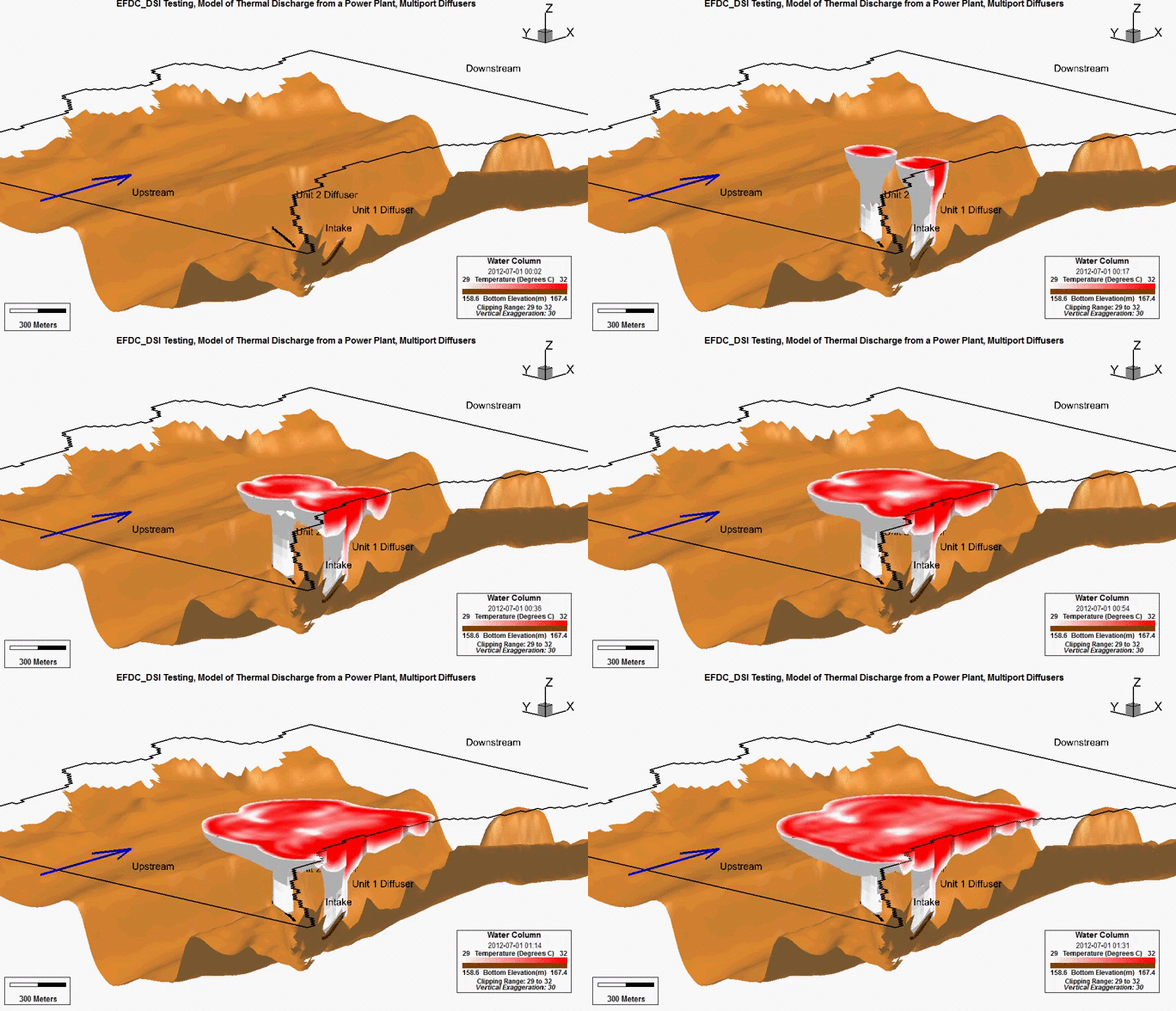
3D water-column temperature animation showing thermal stratification in EFDC+. 3D water-column temperature animation showing thermal stratification in EFDC+.
3D water-column temperature simulation in EFDC+
EEMS Capabilities

EFDC+ covers the full range of temperature processes, including surface heat exchange, solar radiation, a bed thermal model, and an ice sub-model. EEMS can also simulate the thermal footprint of power plant cooling systems, helping operators manage generation while protecting aquatic ecosystems.

Projects

Black Warrior River, Alabama, USA — Hydro-Thermal Real-Time System

Visit source

DSI built a hydro-thermal model of the Black Warrior River to support environmental assessment for Alabama Power. The river’s flow is controlled by a series of dams used for power generation and navigation, requiring a 3D thermal model capable of capturing complex reservoir dynamics and the downstream effects of thermal discharge.
Coosa River, Alabama, USA — Thermal Decision-Support Tool

Visit source

DSI’s real-time hydrothermal model of Lay Lake on the Coosa River helps Alabama Power manage electricity output while staying within thermal limits. The model brings together live data on dam releases, power plant operations, and weather, and was calibrated to measured temperatures, water levels, and flows.

Chassahowitzka Estuary, Florida, USA — Manatee Thermal Habitat

Visit source

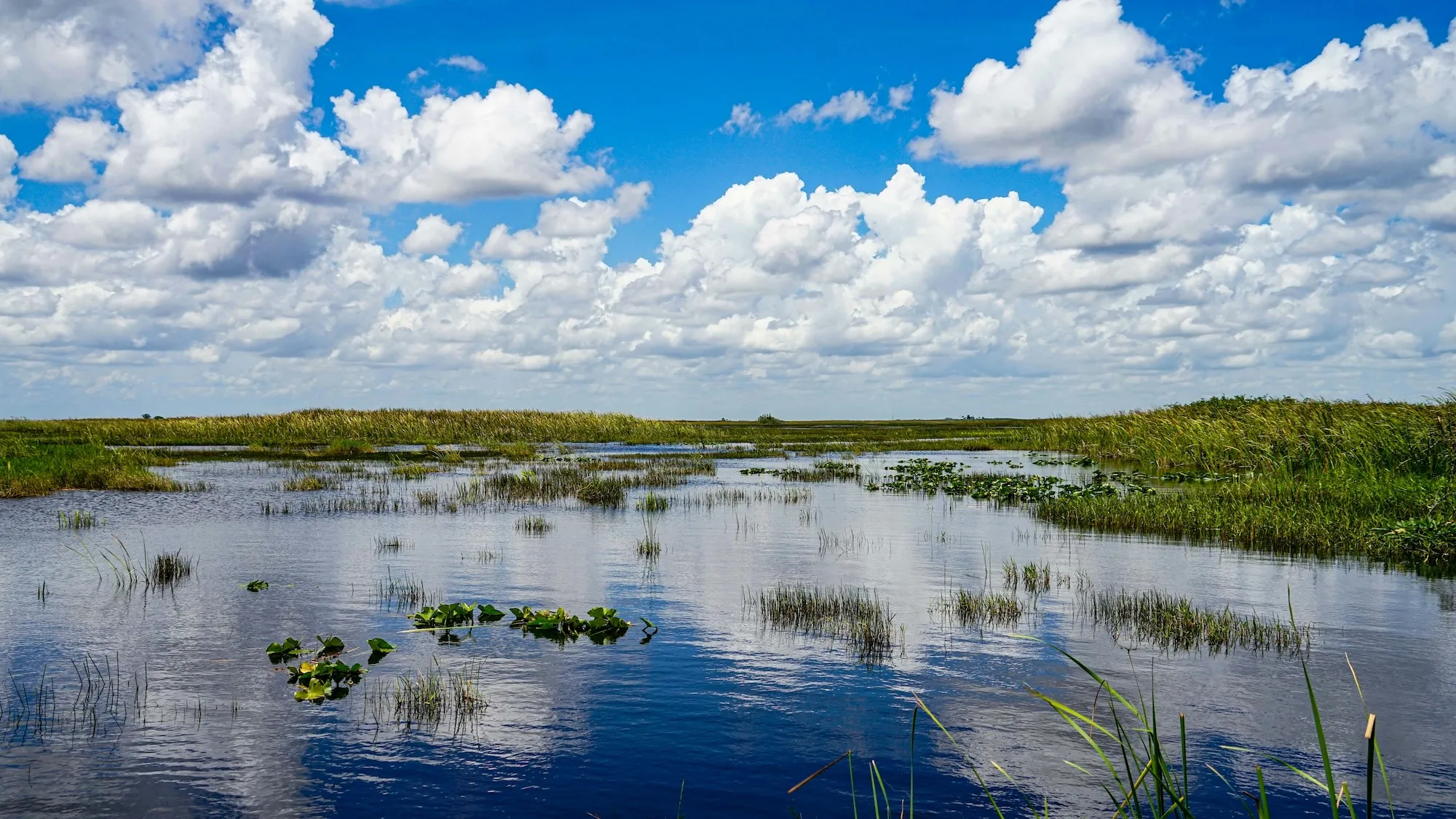
Southwest Florida Water Management District used EEMS to model how reductions in groundwater spring flow affect temperature and salinity in the Chassahowitzka Estuary. The model pinpointed which areas still meet manatee habitat requirements under low-flow conditions — directly informing minimum flow standards for this protected species.

Lake Mendota, Madison, Wisconsin, USA — Thermal Stratification

Visit source

EFDC+ applications at Lake Mendota have tested the model across thermal stratification, cyanobacteria movement, turbulence, and ice formation. These well-documented demonstrations confirm EEMS’s ability to accurately reproduce seasonal and event-driven thermal patterns in temperate lakes.

Lake Mead, Nevada/Arizona, USA — Deep Reservoir Thermocline

Visit source

EFDC+‘s Sigma-Zed vertical layering was applied to Lake Mead to simulate thermal stratification in this large, deep reservoir on the Colorado River. The result showed that EEMS can reproduce how the thermocline develops and shifts in a deep reservoir — something other models struggle to get right.

McClelland Lake Wetland Complex, Alberta, Canada — Cold-Climate Modeling

Visit source

In this northern Alberta wetland, EEMS was used to simulate water temperature and ice dynamics, extending the model domain into upland areas with seasonal ice cover and spring snowmelt. This cold-climate application showed how EEMS handles the unique thermal processes that drive water quality in high-latitude ecosystems.

Dam with mountains