Estimating Ship Engine Power for EFDC+ Propeller Wash Simulations
Developing a propeller wash model requires specifying the ship and propeller properties as model input parameters.
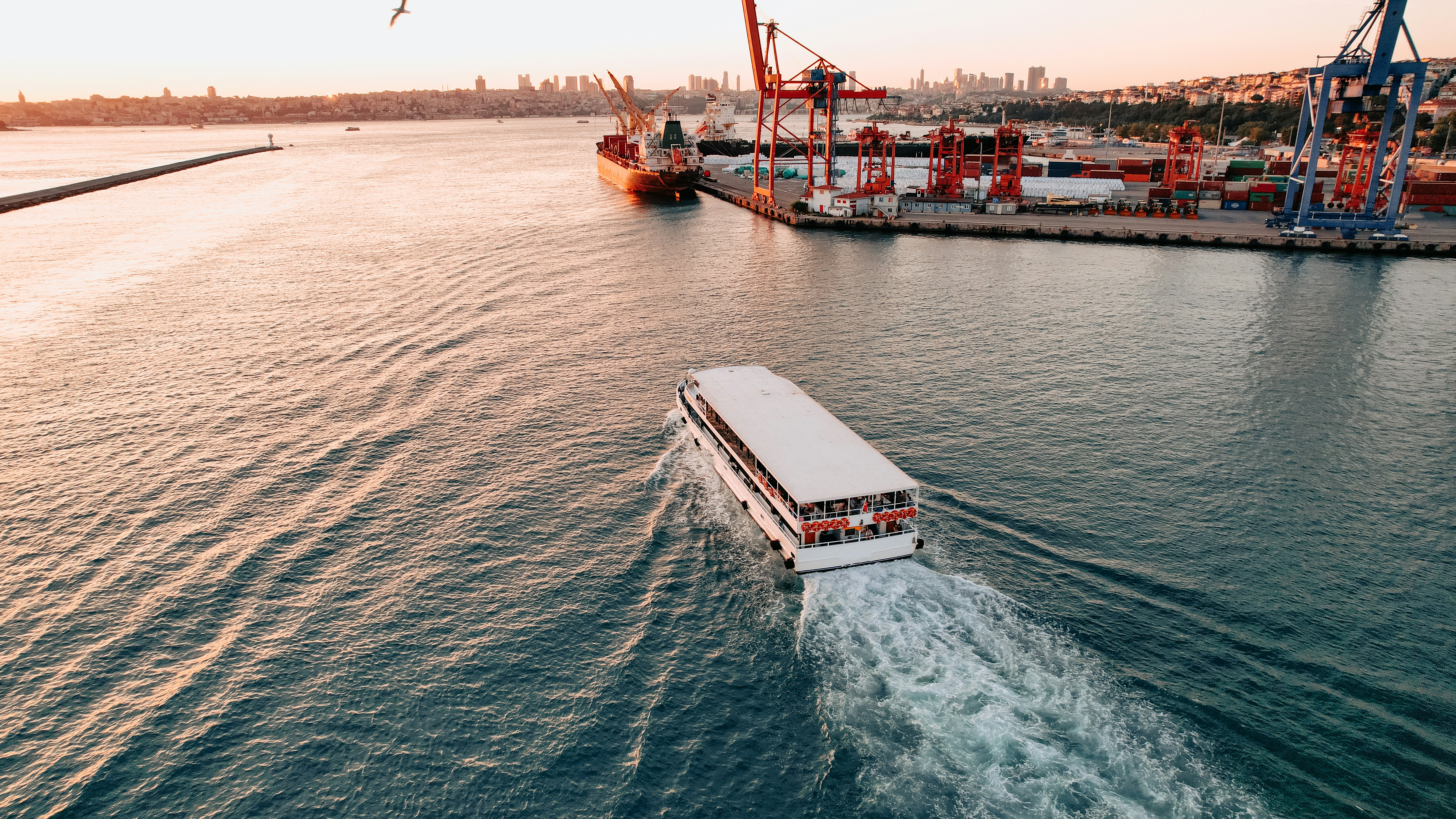
Developing a propeller wash model requires specifying the ship and propeller properties as model input parameters.
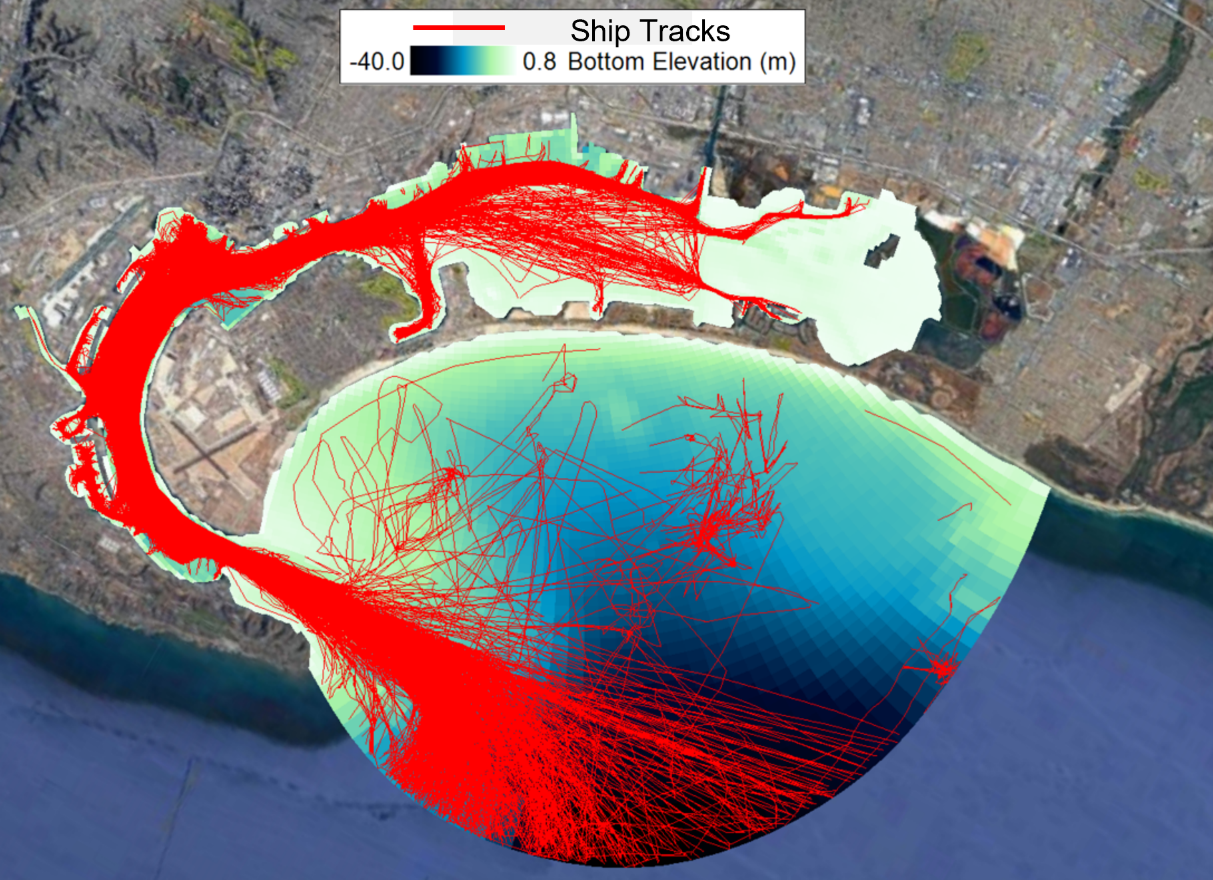
Propeller wash (propwash) causes sediment scour in the seabed that can threaten the safety of structures in ports and harbors and cause environmental problems
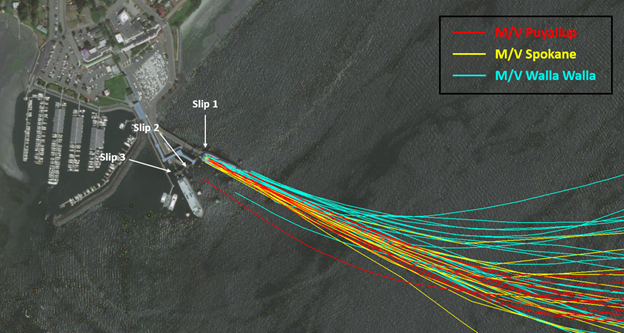
Sediment erosion caused by propeller wash from ships is of considerable concern in many ports and harbors for terminal safety.
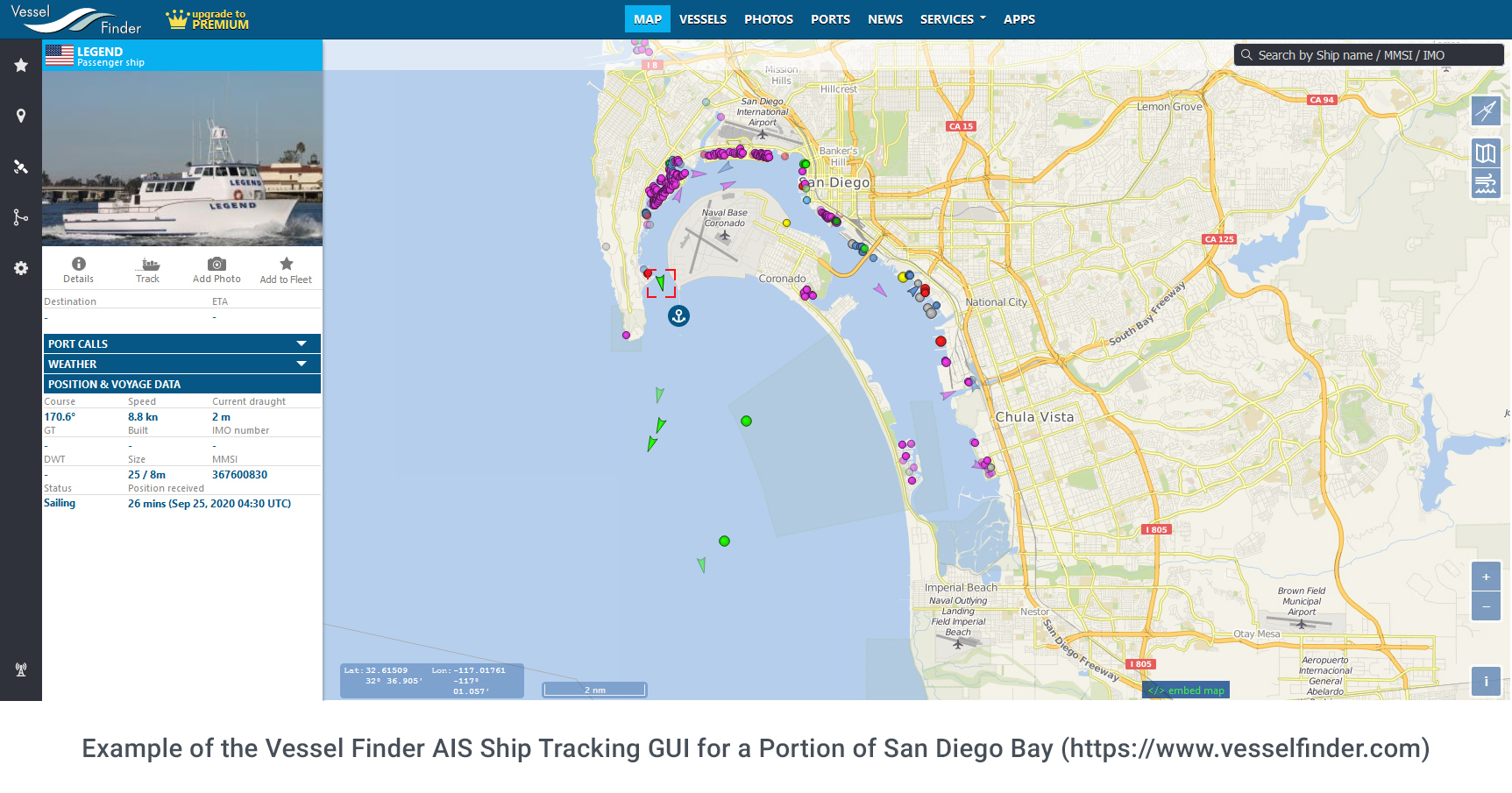
Simulation of the impacts of propeller wash in hydrodynamic and sediment transport models requires detailed information on ship travel routes and the physical characteristics of each ship.
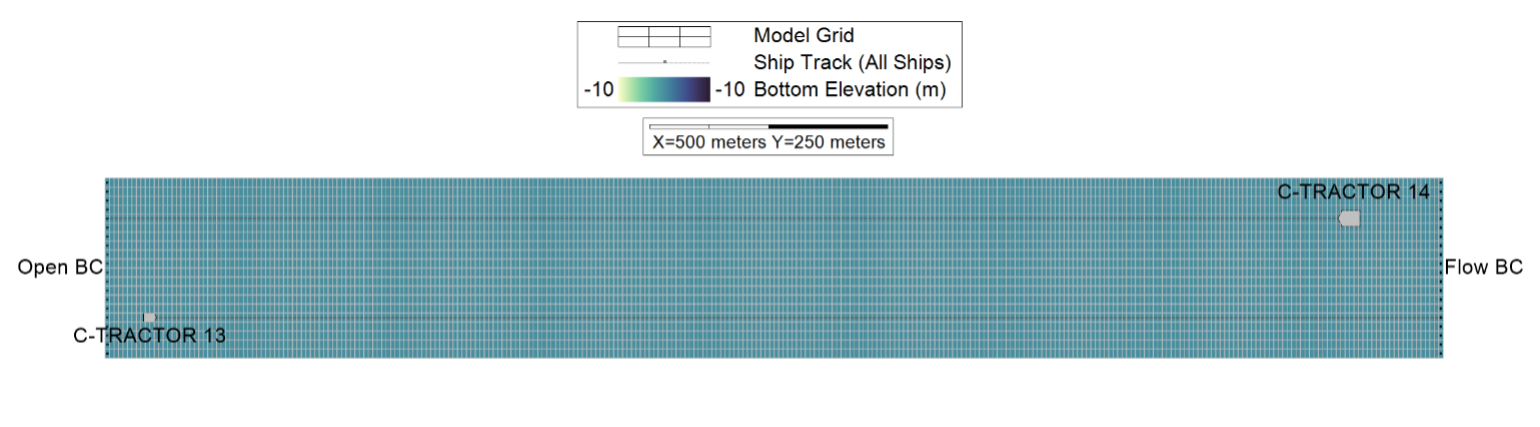
A 3D EFDC+ simulation showing how propeller wash from passing ships breaks up a 100 ppt hypersaline bottom layer in a navigation canal.
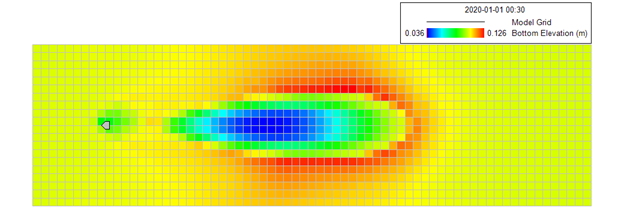
DSI is continually developing new features for EFDC+ and EFDC+ Explorer Modeling System (EEMS).
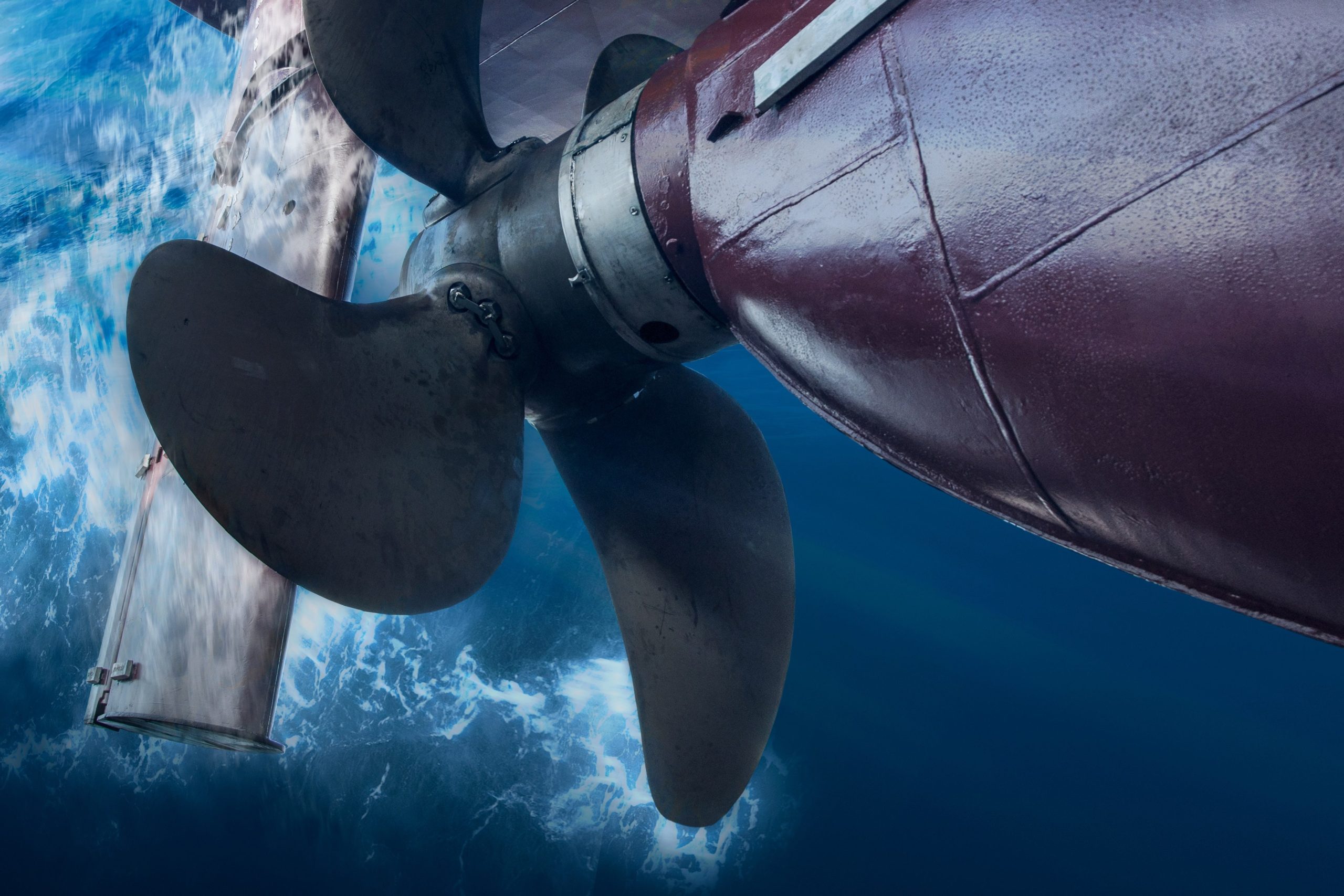
Many urban waterfronts are contaminated with metals, petroleum hydrocarbons, and other organic chemicals, often as deep as 20 feet within the sediment bed.
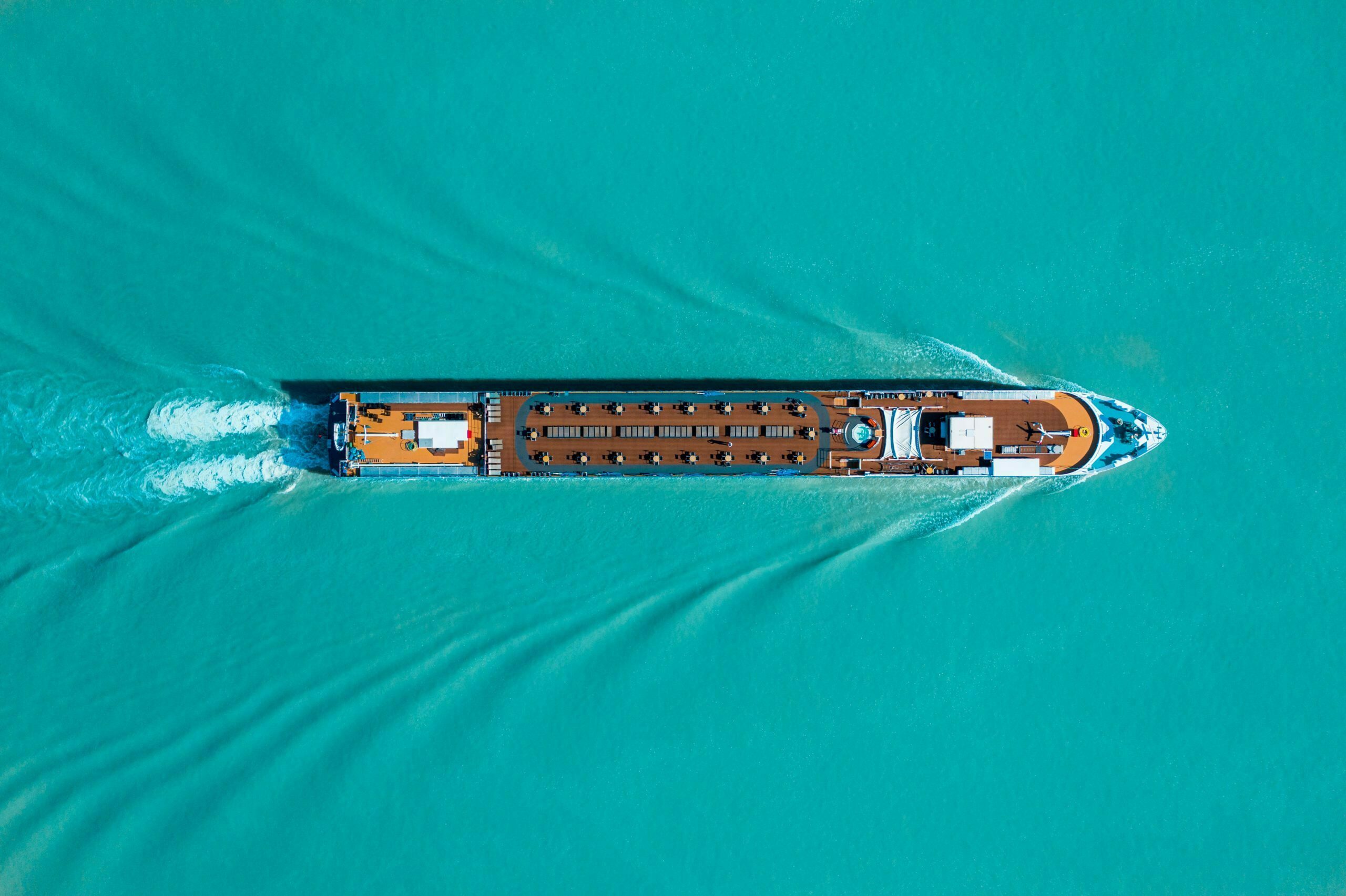
In our propeller wash (propwash) blog series, we have shared details of the propwash simulation feature that will soon be available in the upcoming version of EEMS.