Ask The Experts: Sediment Transport Modeling
For sediment transport modeling, EFDC requires a modeler to define particle size classes and specify the median diameter for each class, which can represent the average behavior of the particles.
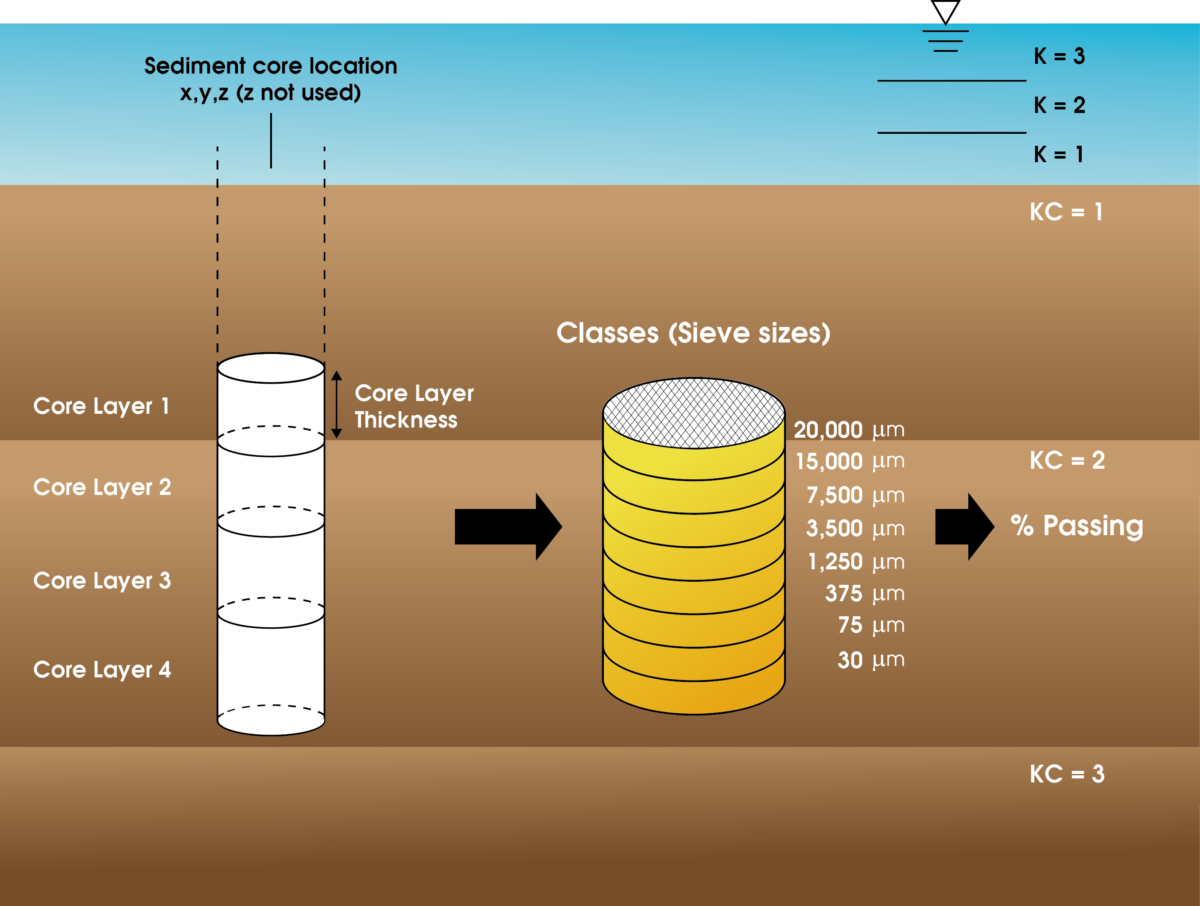
For sediment transport modeling, EFDC requires a modeler to define particle size classes and specify the median diameter for each class, which can represent the average behavior of the particles.
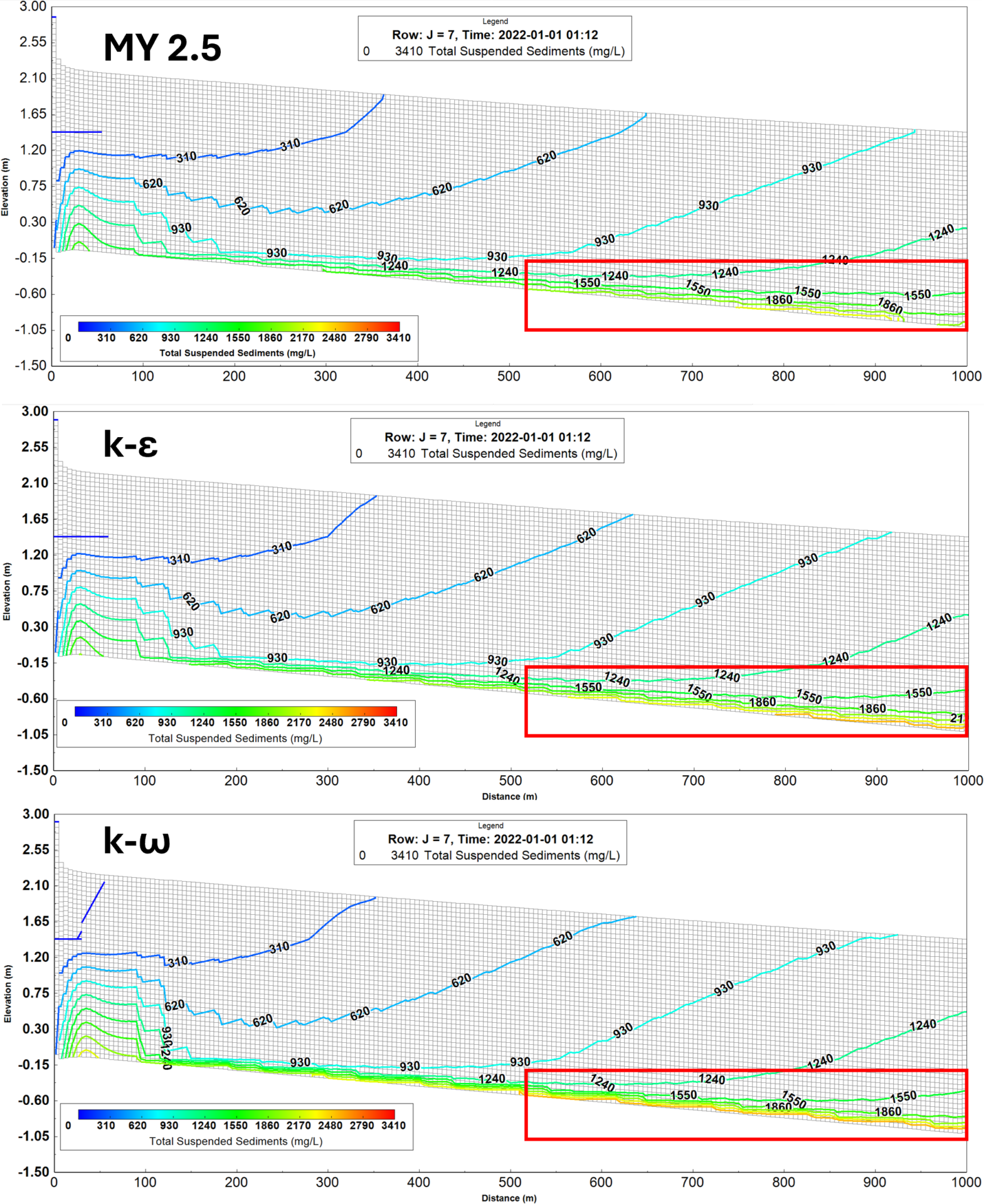
Sediment transport in open channel flows is influenced by turbulence, which governs the distribution of momentum and sediment throughout the water column.
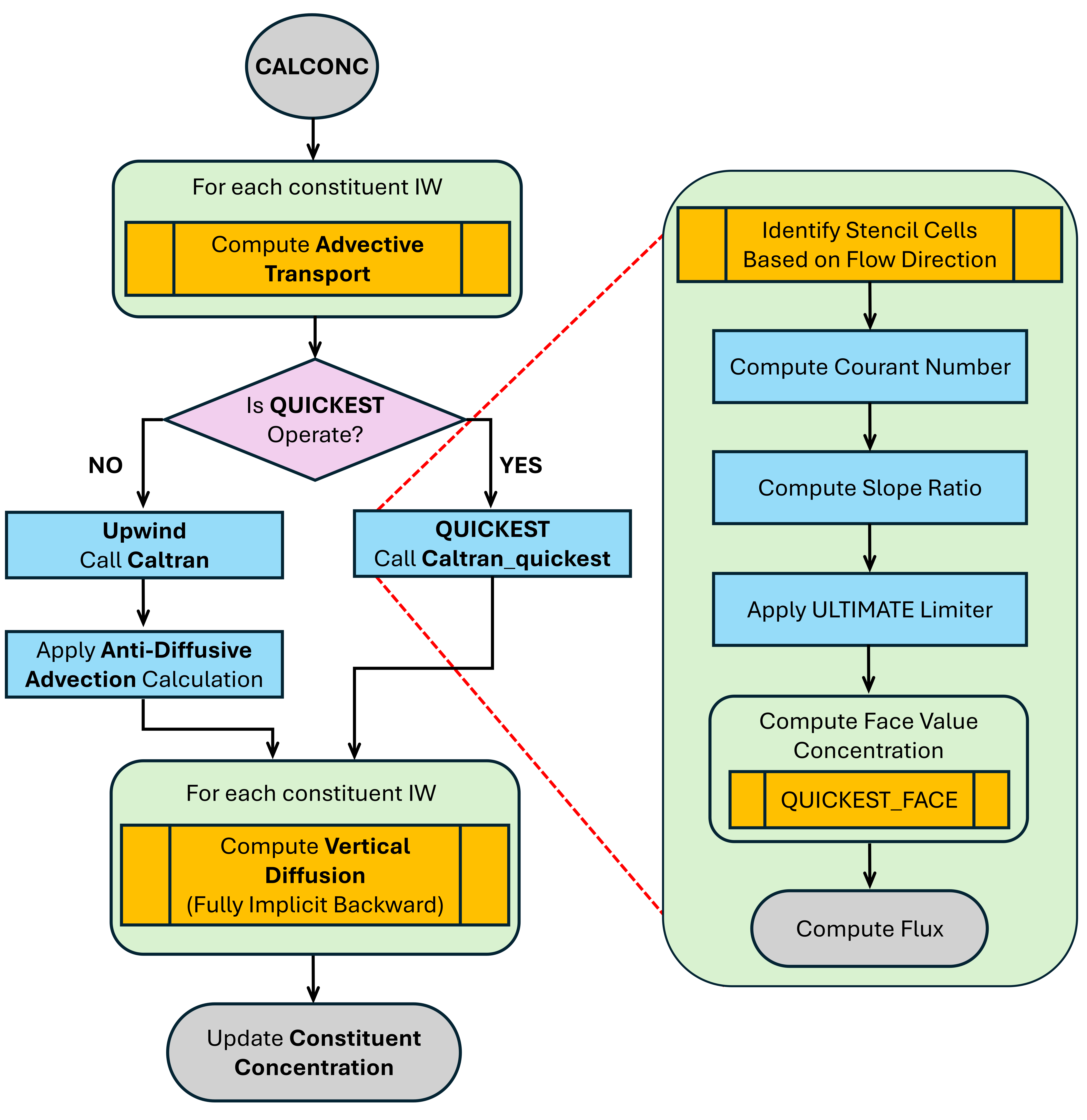
EEMS 12.5 introduces the ULTIMATE-QUICKEST scheme for advective transport in EFDC+, using quadratic interpolation to achieve third-order accuracy and reduce numerical diffusion while maintaining numerical stability.
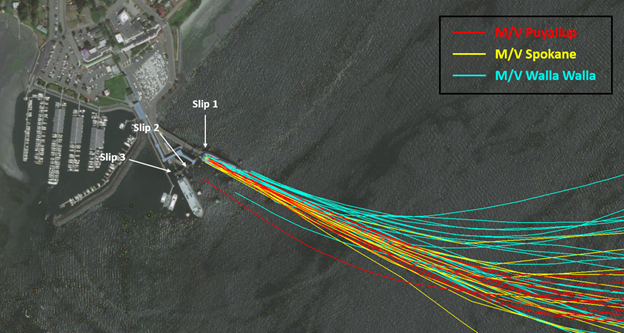
Sediment erosion caused by propeller wash from ships is of considerable concern in many ports and harbors for terminal safety.
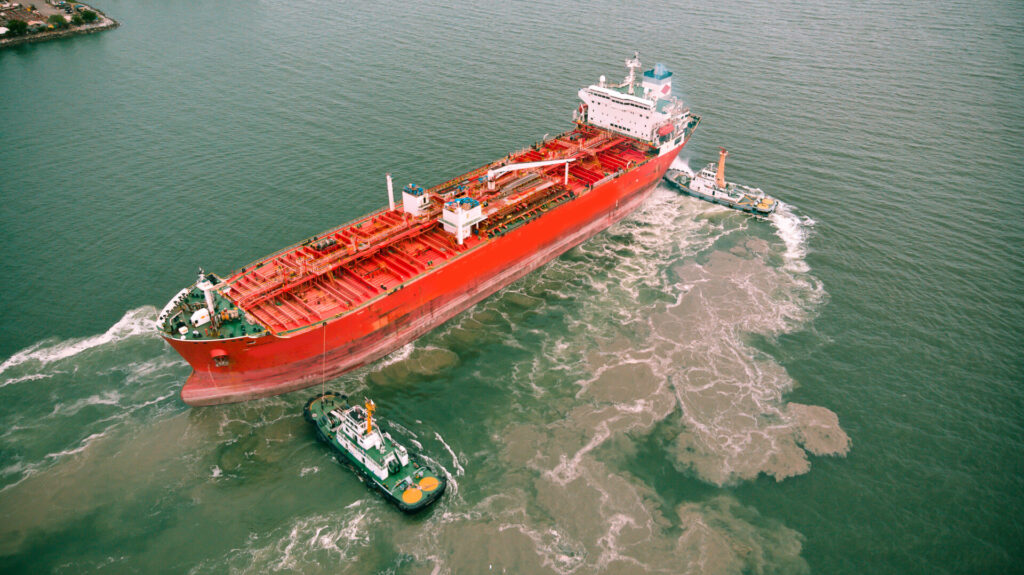
Sediment resuspension occurs in harbors across the world as a function of propeller-induced water velocities, and resulting shear stress, at the sediment-water interface.
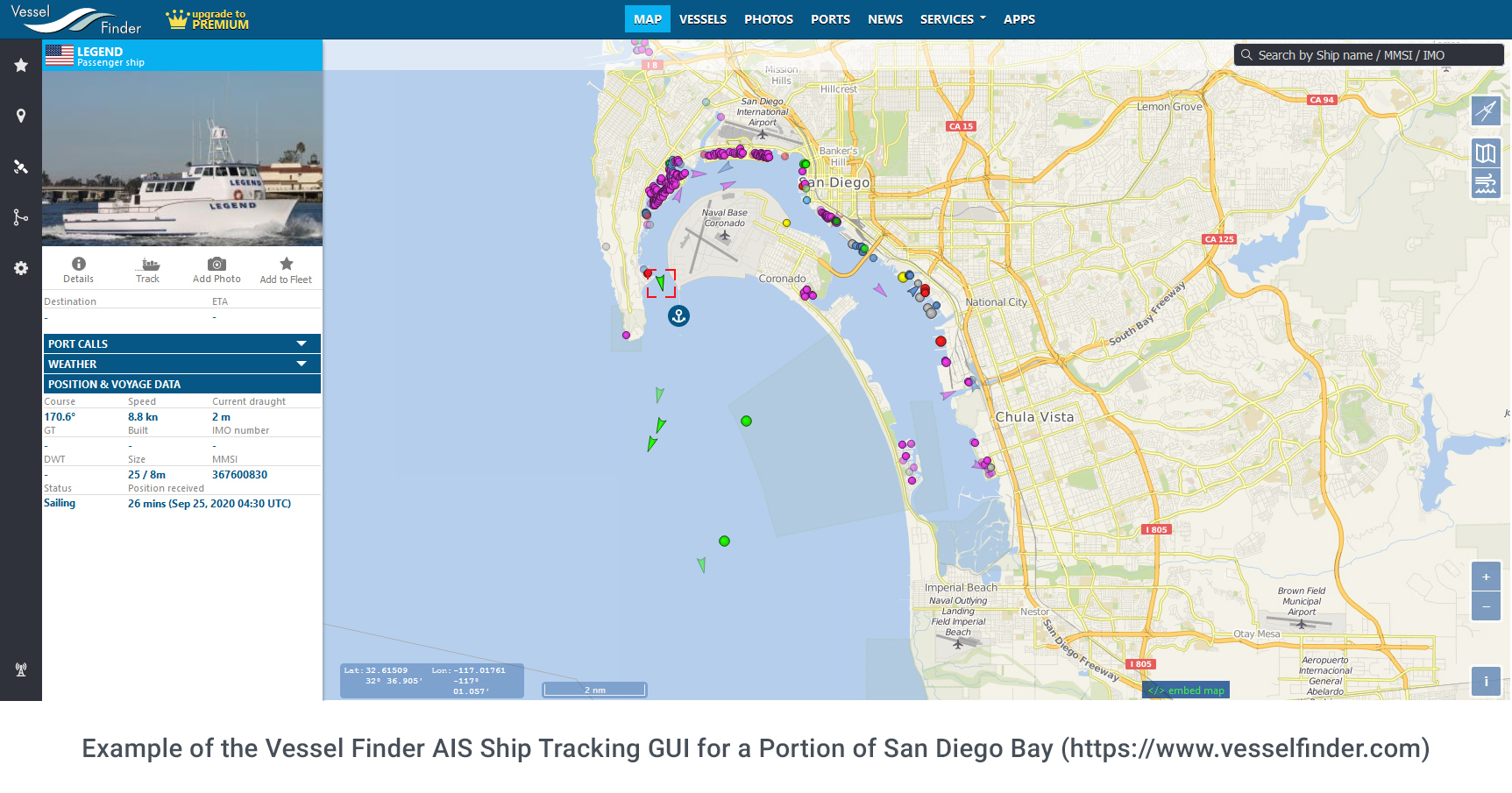
Simulation of the impacts of propeller wash in hydrodynamic and sediment transport models requires detailed information on ship travel routes and the physical characteristics of each ship.
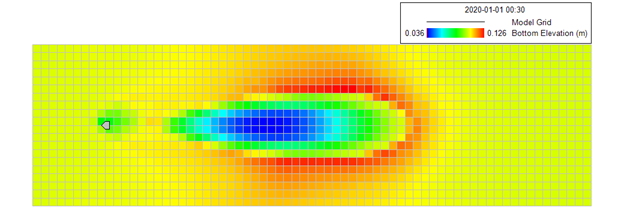
DSI is continually developing new features for EFDC+ and EFDC+ Explorer Modeling System (EEMS).
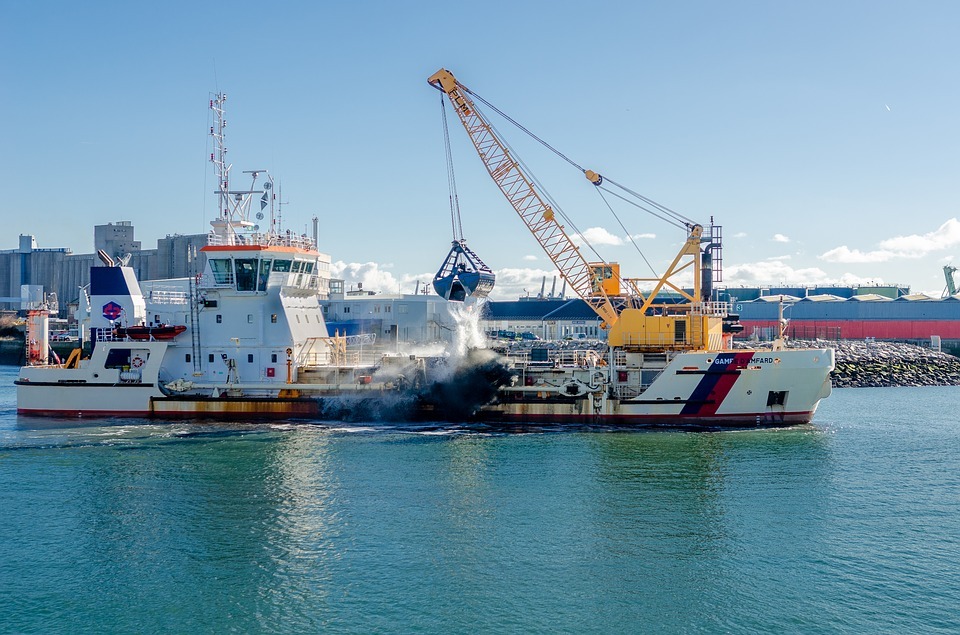
Dredging refers to excavating sediments under a water body.
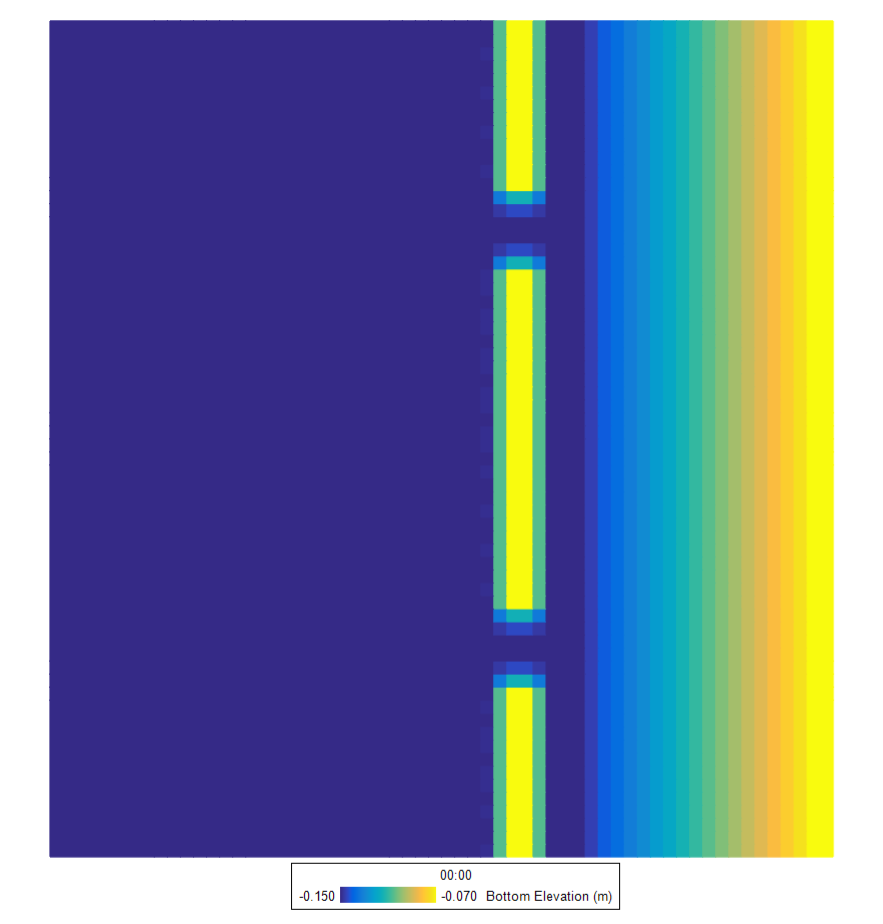
A preview of a DSI white paper comparing two approaches for simulating wind waves in EFDC+ — the internal SMB method and the external SWAN method — applied to the same wind-wave sediment-transport model of a sloped beach with offshore sandbars and rip channels.