Anti-Reflection Open Boundary Condition
Boundary conditions are one of the key aspects of hydrodynamic models and require special attention.
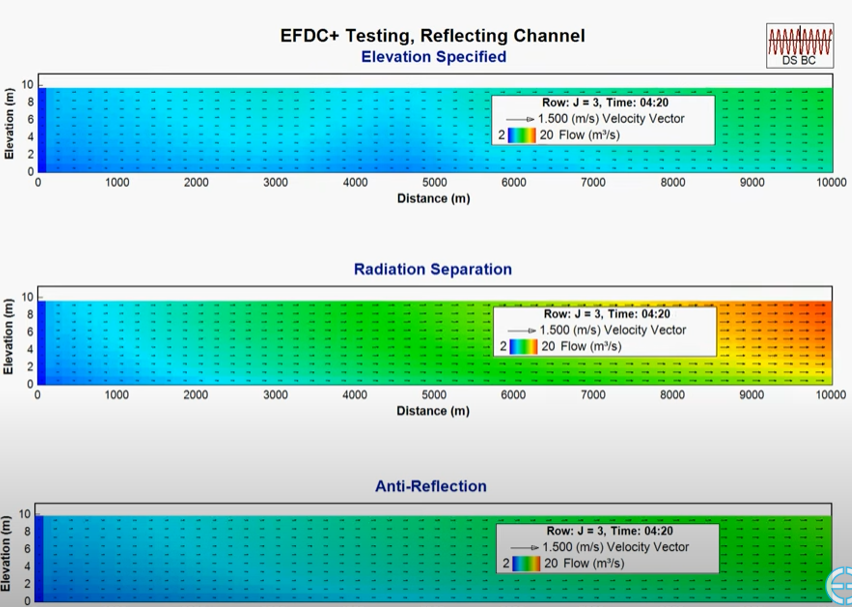
Boundary conditions are one of the key aspects of hydrodynamic models and require special attention.
Environmental Fluid Dynamics Code Plus (EFDC+) is the DSI version of the EFDC that supersedes the version that was initially developed

EFDC+ eutrophication model has been refactored and enhanced with the definition of a general phytoplankton group.
Developing a hydrodynamic or a water quality model may require input of boundary conditions from other models.

The Water Quality Analysis Simulation Program (WASP) is a dynamic, spatially-resolved
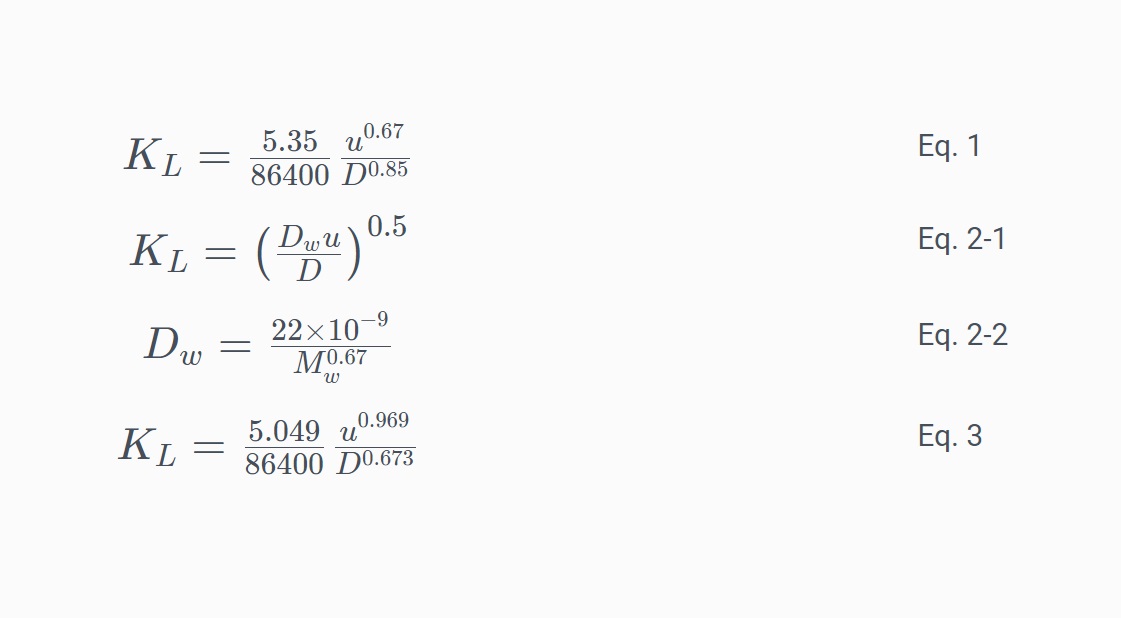
When simulating chemical fate and transport, volatile chemicals at the air-water interface frequently off-gas from the water into the atmosphere.
Traditionally, scientific modeling software development has been siloed to the model developers.

Partial flow blocking was added as a feature of EEMS with version 10.1.
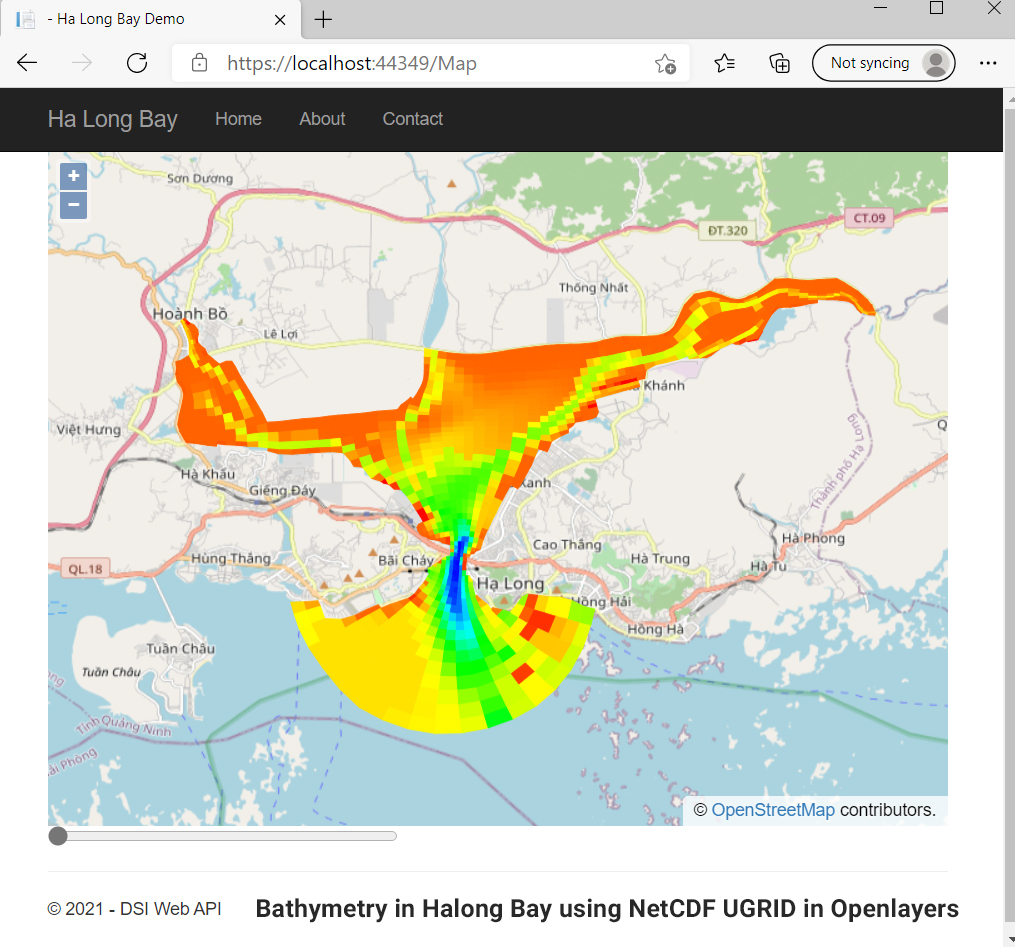
As modelers, we often deal with a variety of data types that encompass single-point observations, time series, regularly spaced grids
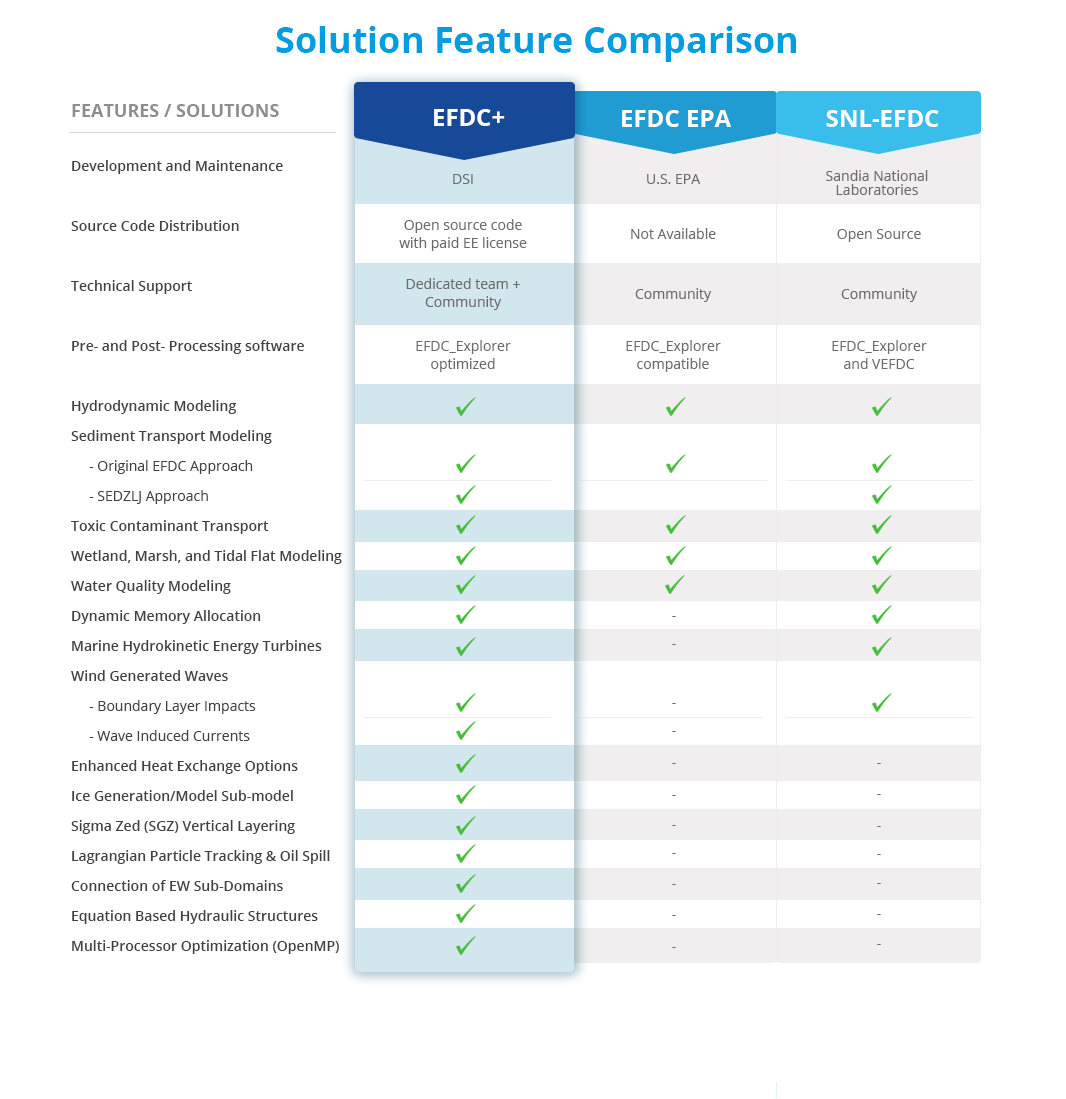
The Dynamic Solutions International (DSI) version of EFDC is called EFDC+ (formerly EFDC_DSI). EFDC+ is one of the most used versions of the EFDC model available to the scientific and engineering community.
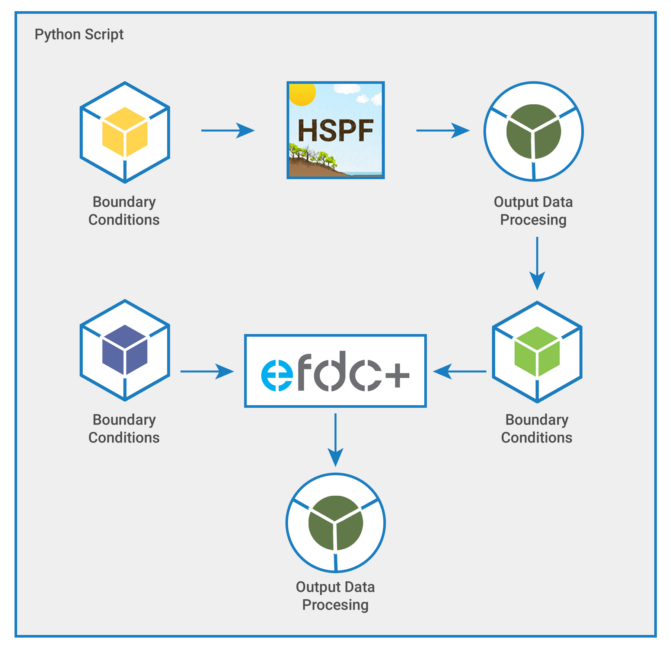
Developing a hydrodynamic or a water quality model often requires boundary conditions from other sources
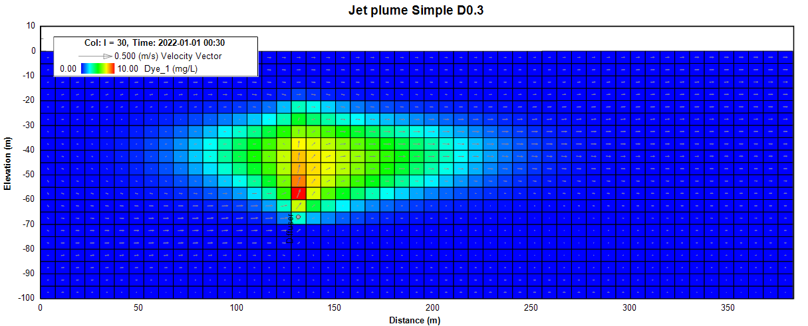
Simulation of jets and plumes is an essential aspect of computational fluid dynamics. Jet and plume modeling is required in many natural and industrial applications
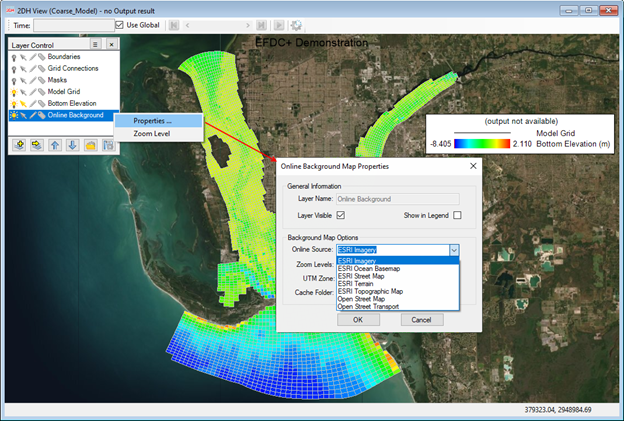
As we added new features to EFDC+, our Graphical User Interface (GUI), EFDC+ Explorer (EE) has also changed to support these new features and capabilities.
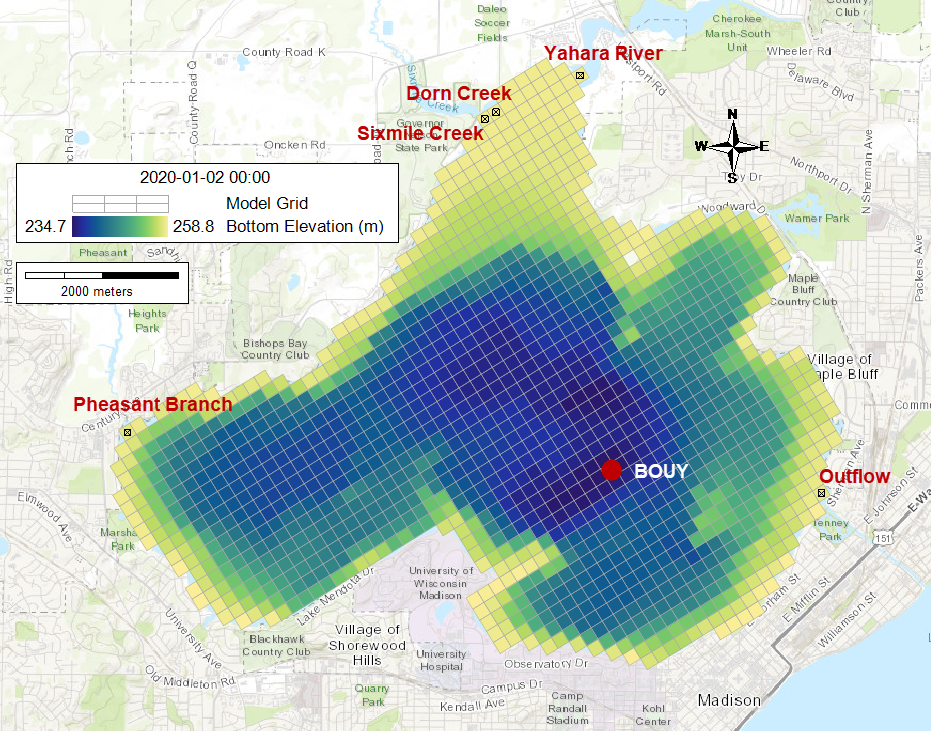
A follow-up study on the ULTIMATE-QUICKEST advective transport scheme in EFDC+, evaluating its computational efficiency against the original upwind differencing across several real-world model applications.

With so many new computer languages available today, a question often asked is, Why is EFDC+ coded in Fortran language