Automated Nested Model Configuration
EEMS has been enhanced with a new feature which helps you develop nested EFDC+ models.
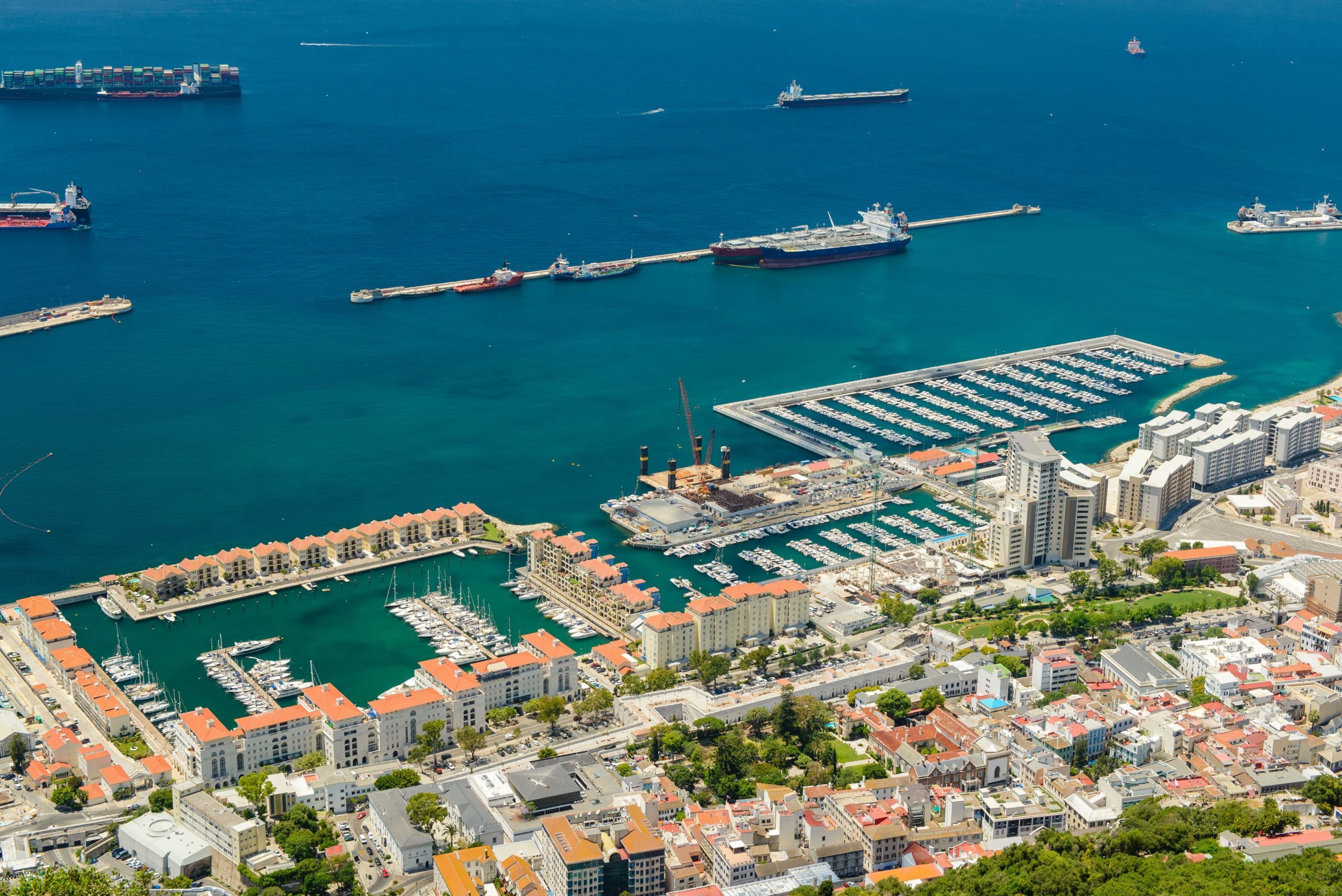
EEMS has been enhanced with a new feature which helps you develop nested EFDC+ models.
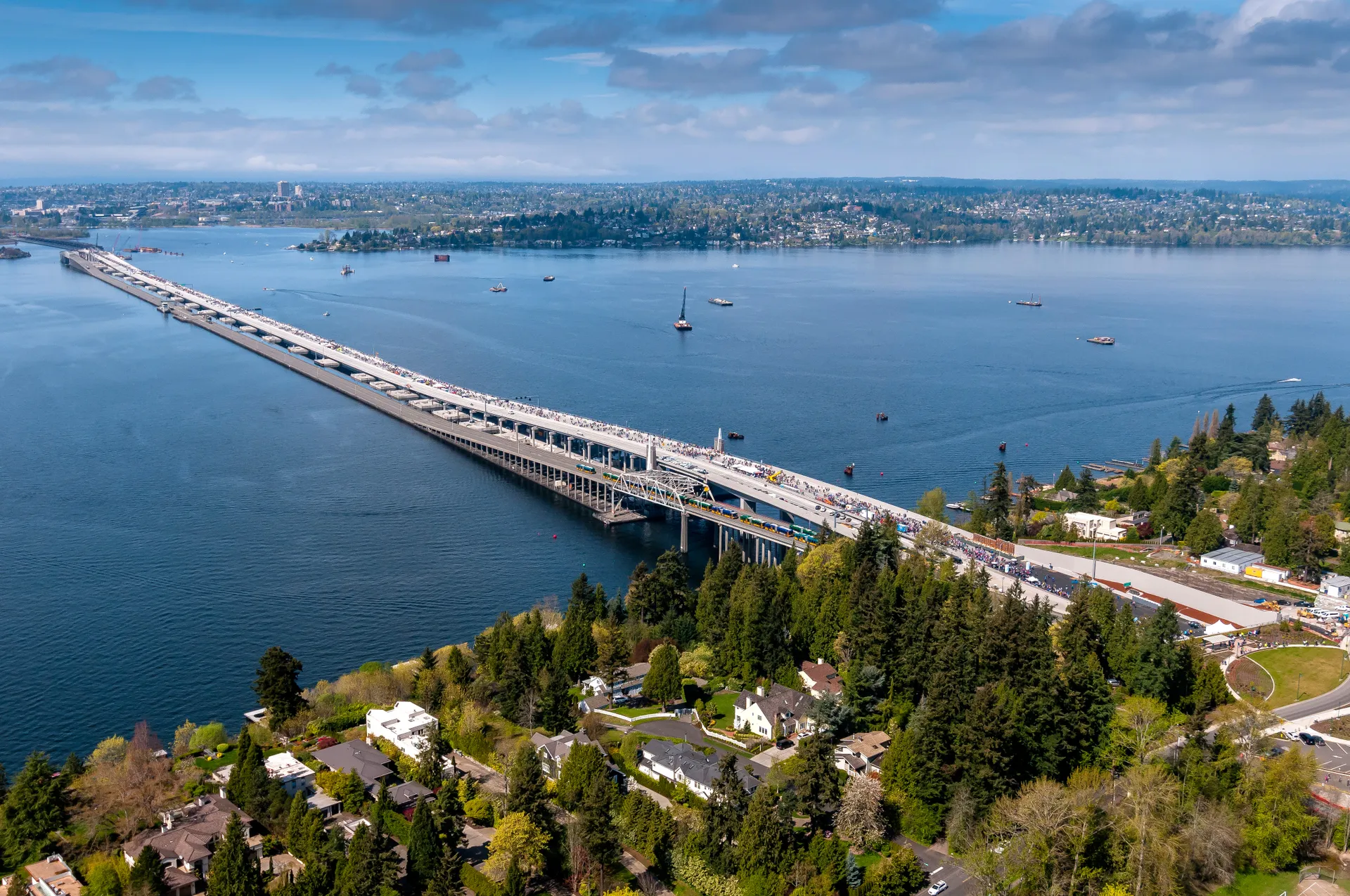
Partial flow blocking was added as a feature of EEMS with version 10.1.
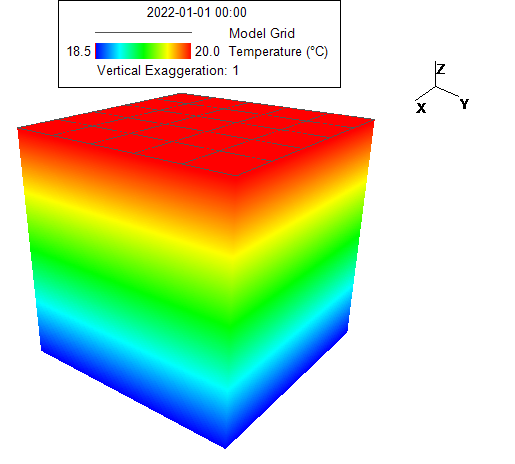
This blog discusses the results of a free convection test case performed with different turbulence closures available in EEMS 12.
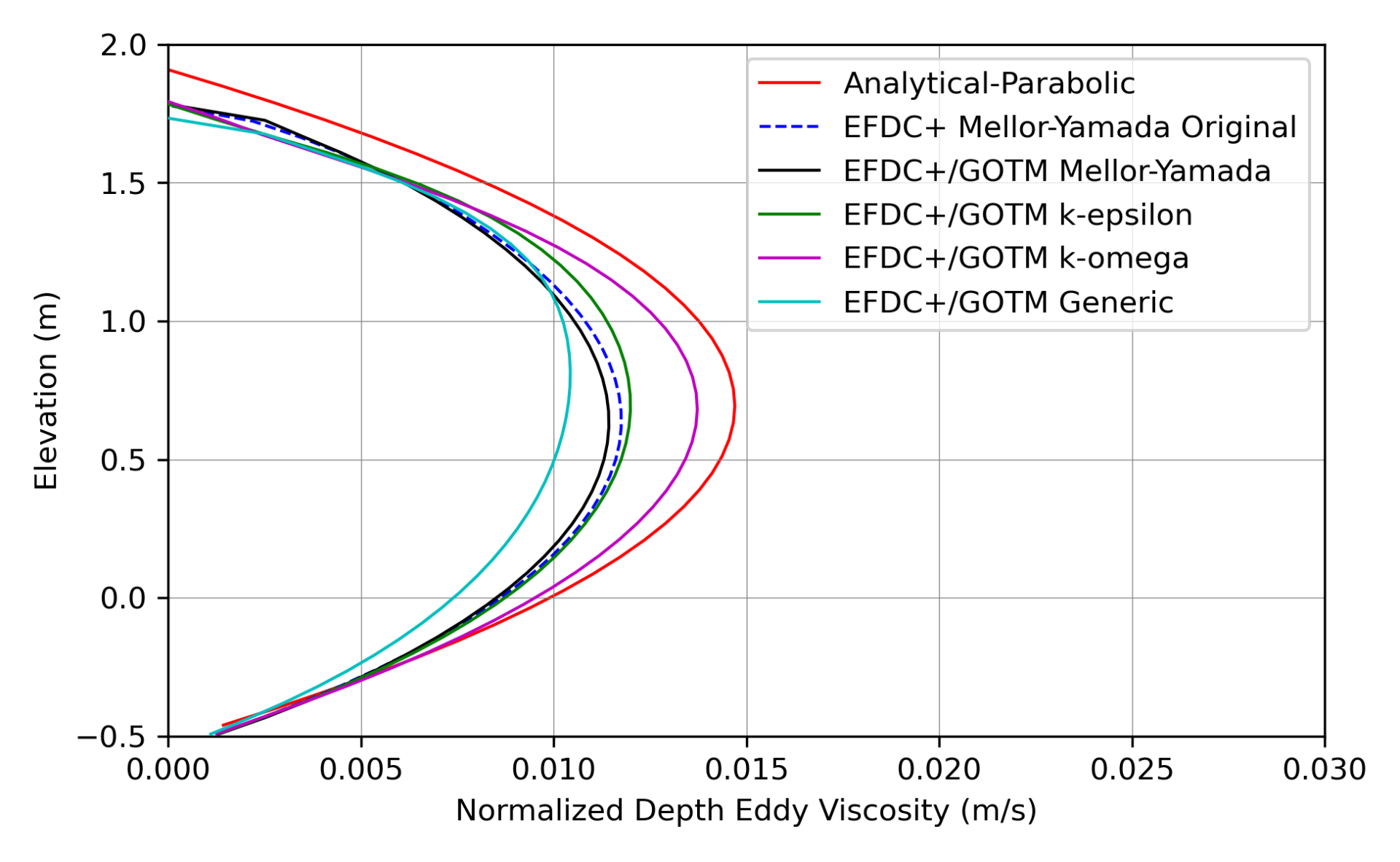
The choice of turbulence closure scheme has important consequences on model results through mixing and circulation (Burchard et al., 1998)
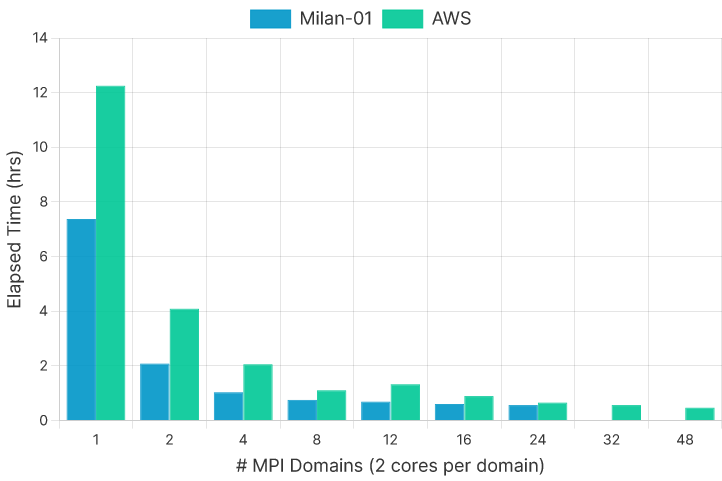
In 2020, DSI implemented MPI in EFDC+ to improve model run time.
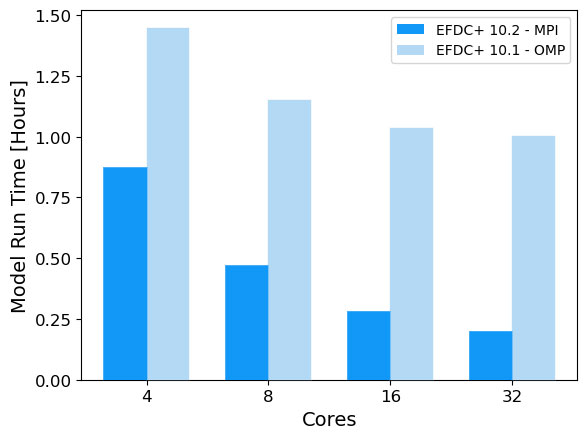
To assess the performance of the Message Passing Interface (MPI) implementation with Environmental Fluid Dynamics Code Plus (EFDC+)
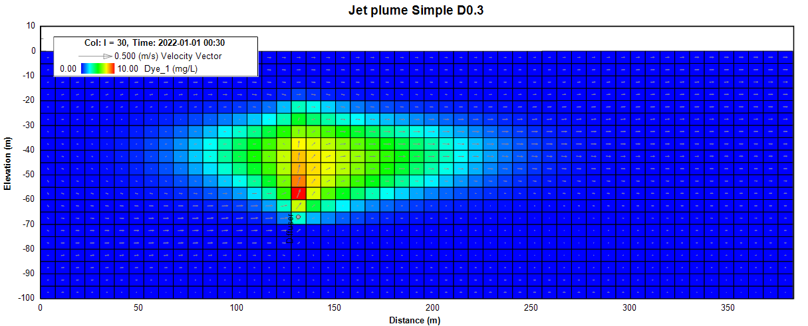
Simulation of jets and plumes is an essential aspect of computational fluid dynamics. Jet and plume modeling is required in many natural and industrial applications
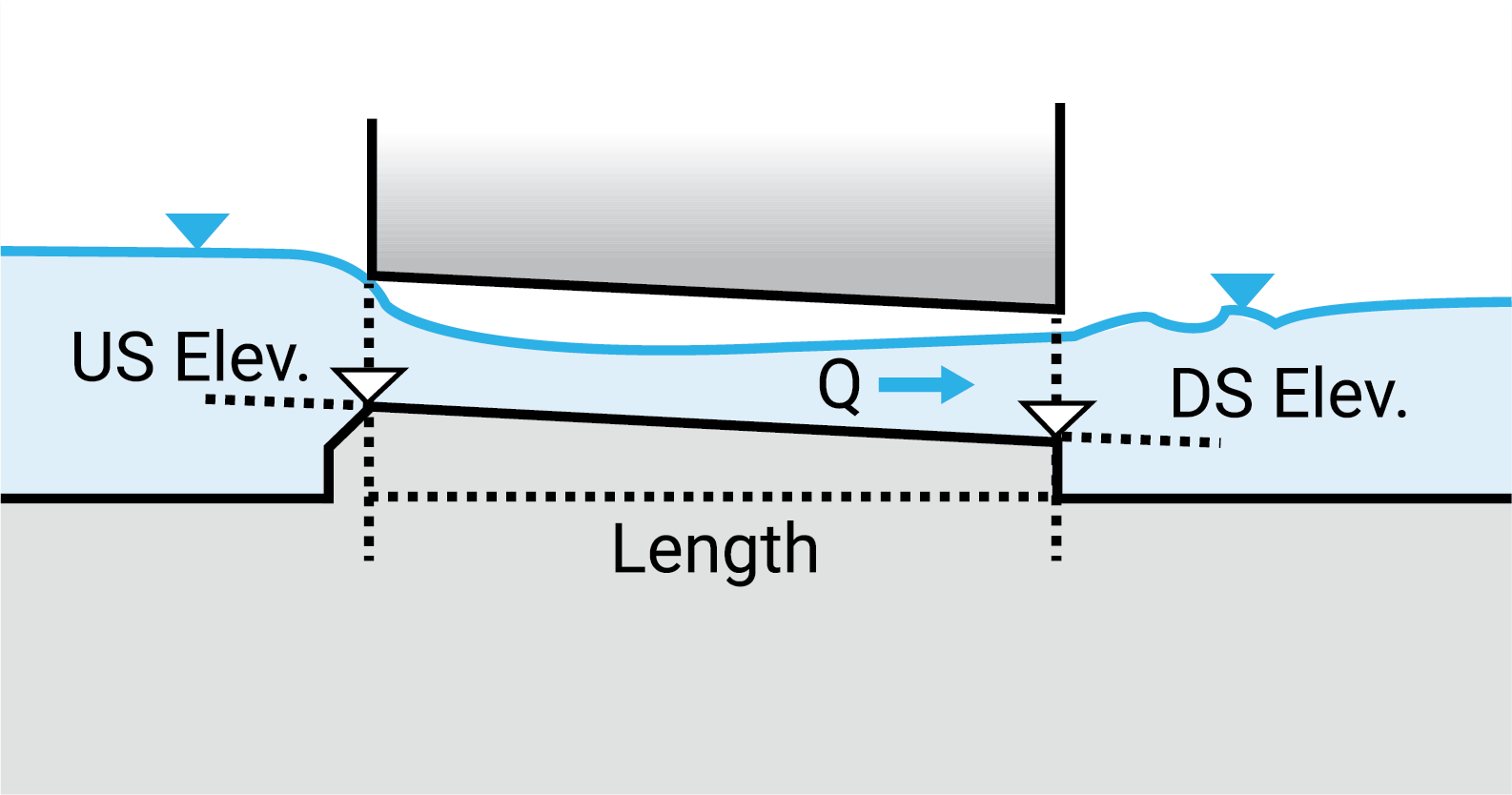
In our previous blog, we provided an overview of simulating hydraulic structures in EEMS, where we discussed the importance of rating tables and flow lookup tables in determining flow rates based on water surface elevations.
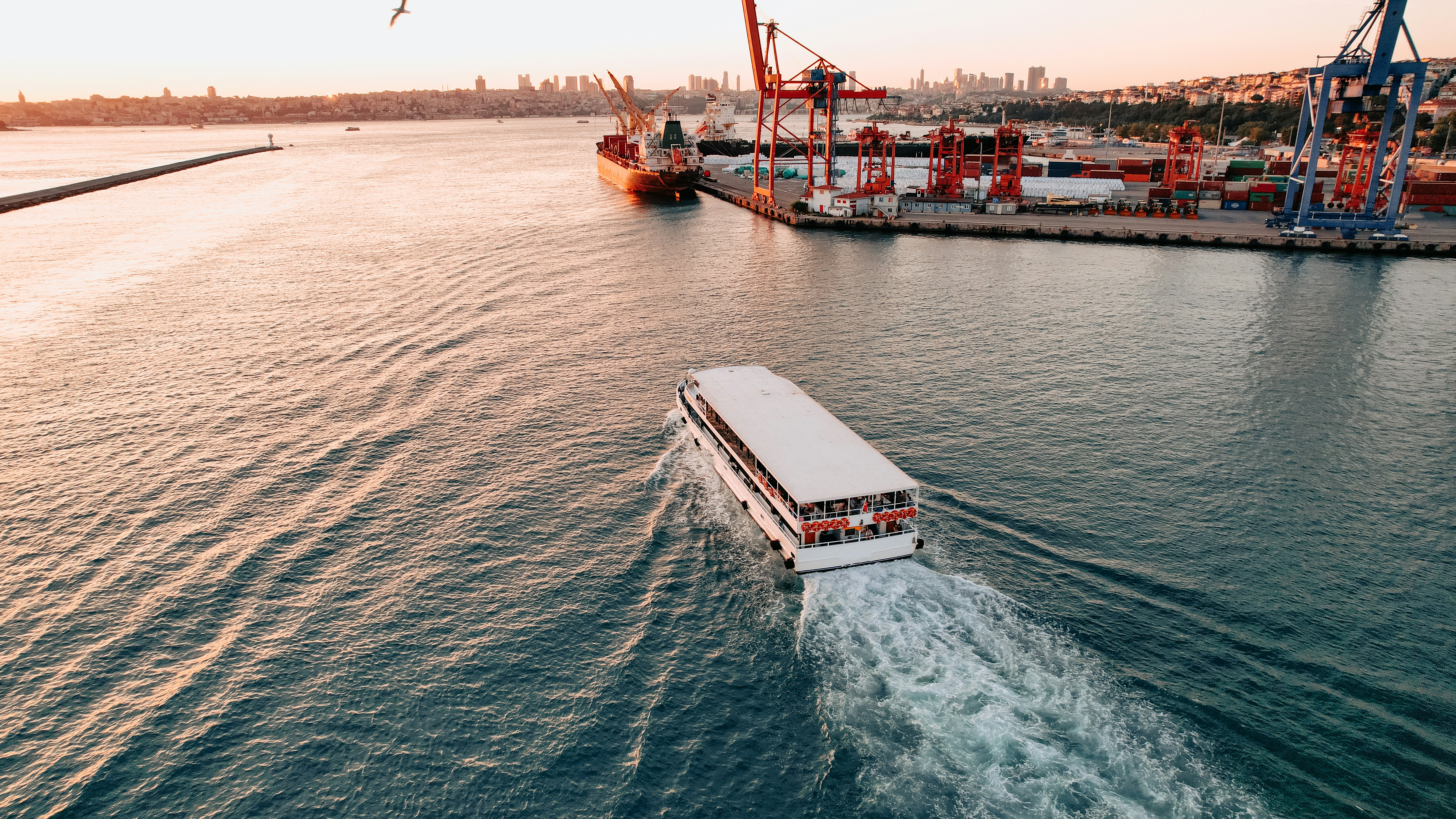
Developing a propeller wash model requires specifying the ship and propeller properties as model input parameters.
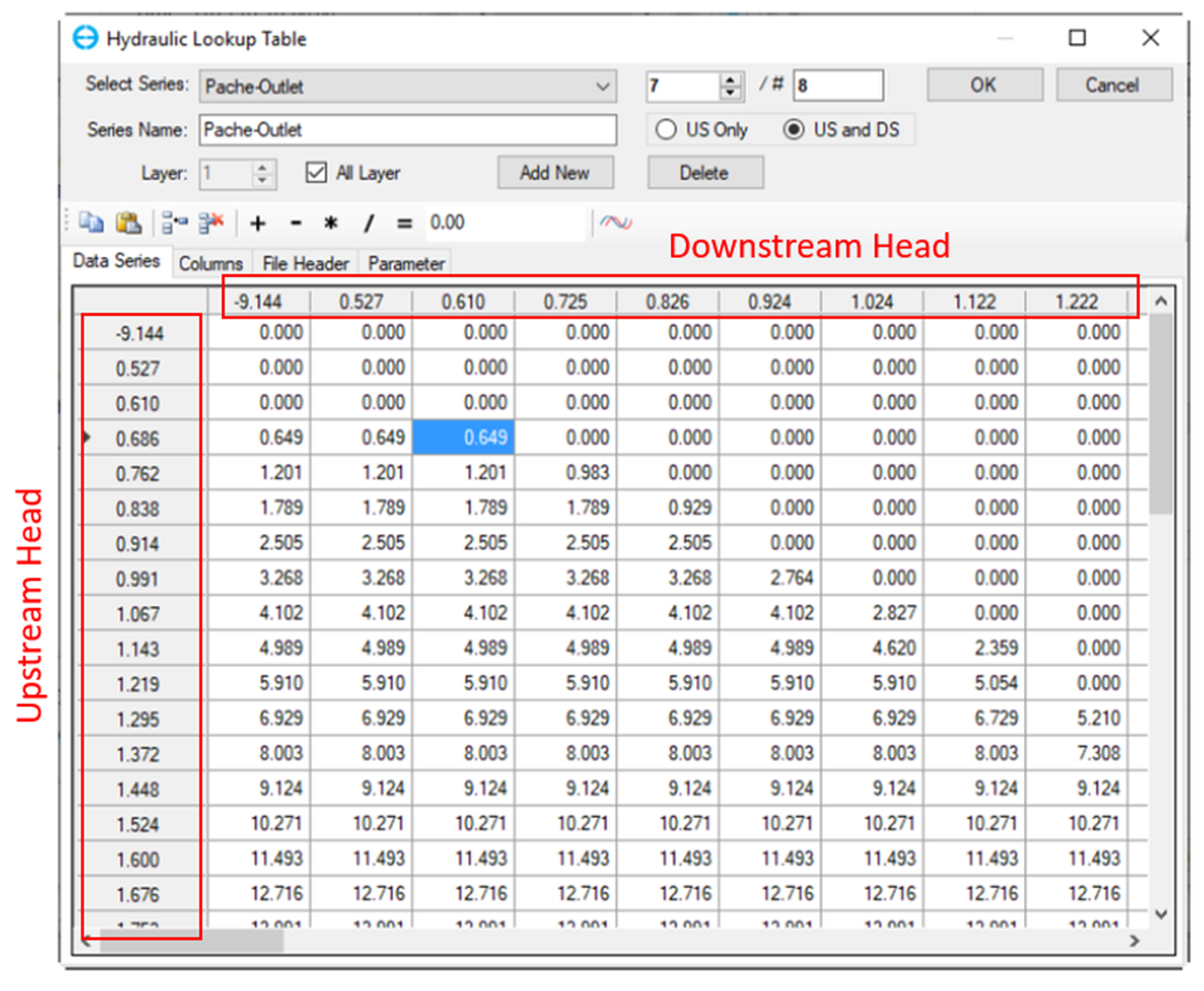
In a recent blog, we provided an overview of simulating hydraulic structures in EEMS. As a continuation, this blog details the rating table/flow lookup table to help users understand the nuanced dynamics of hydraulic structure simulations
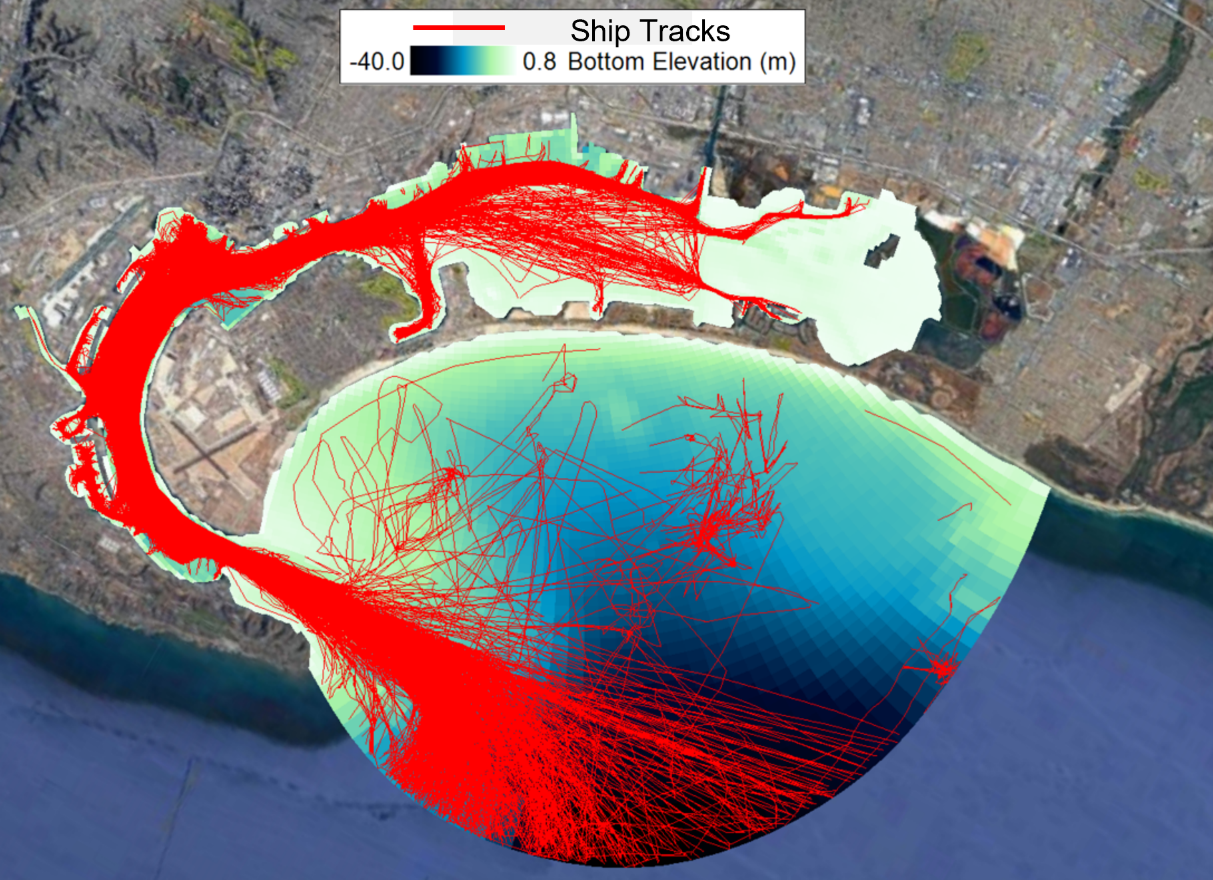
Propeller wash (propwash) causes sediment scour in the seabed that can threaten the safety of structures in ports and harbors and cause environmental problems
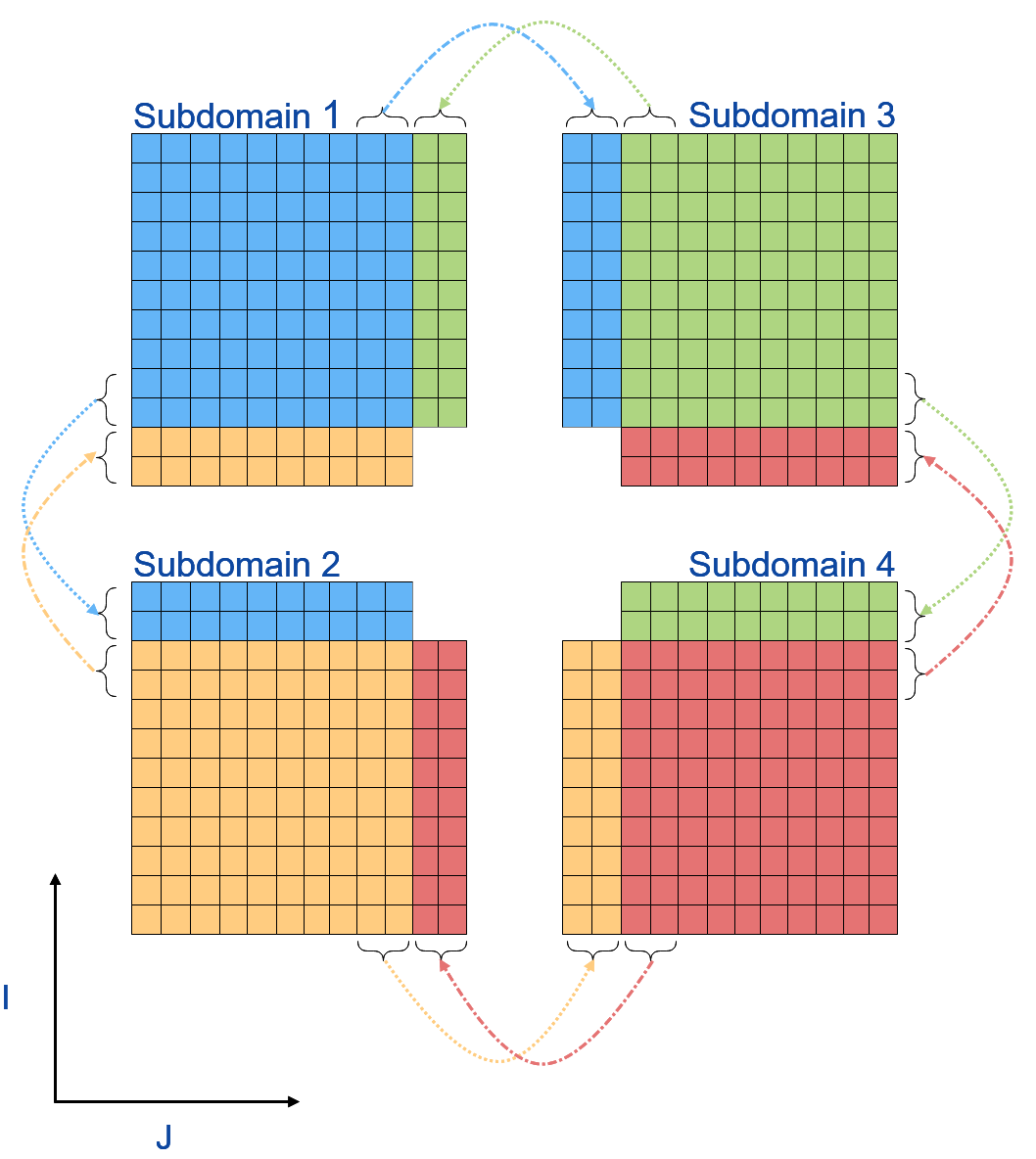
A primary function of EFDC+ is to solve the governing Partial Differential Equations (PDEs) for fluid flow and constituent transport.
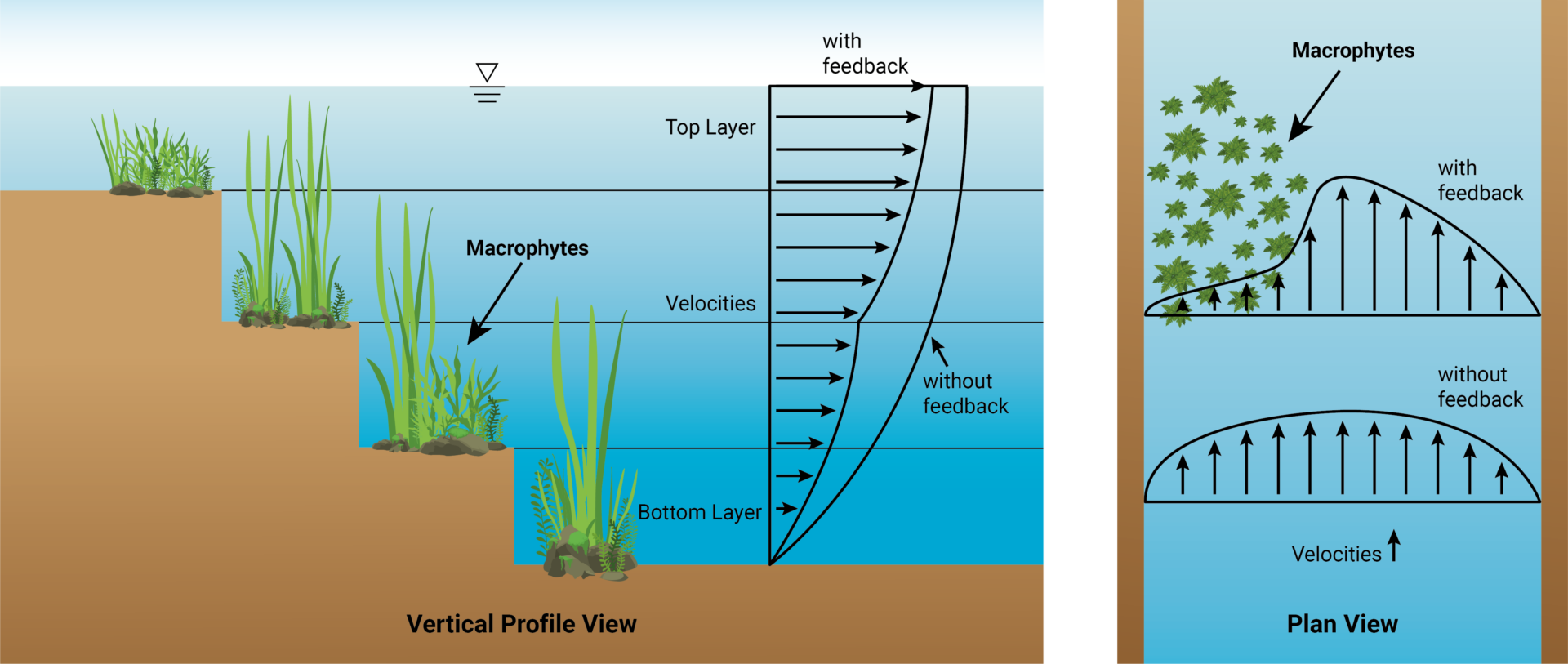
Submerged macrophytes are part of an essential relationship between the physical habitat and the biological community.
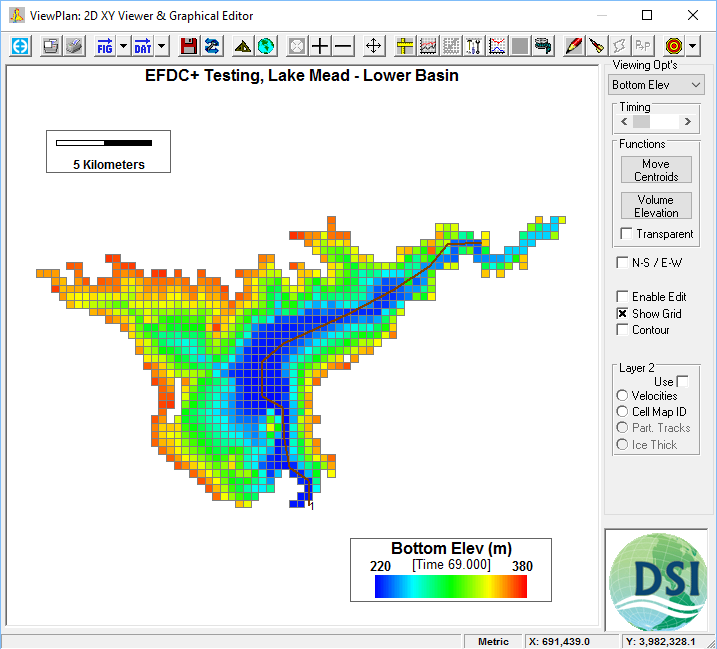
Lake Mead is the largest reservoir in the USA, and 16th largest man-made lake in the world. Lake Mead is formed by the Hoover Dam along the Colorado River.
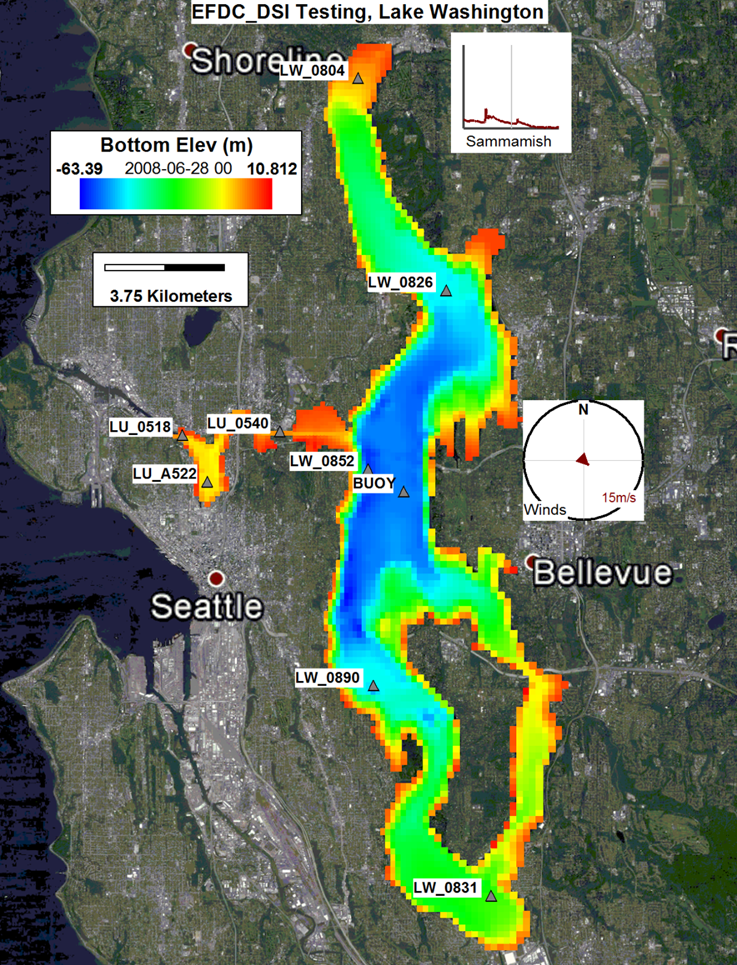
Lake Washington is the second largest natural lake in the State of Washington, USA. It is a lake with steeply sloping sides and also has long-term