Unlimited Phytoplankton and Zooplankton Modeling in EEMS
EFDC+ eutrophication model has been refactored and enhanced with the definition of a general phytoplankton group.
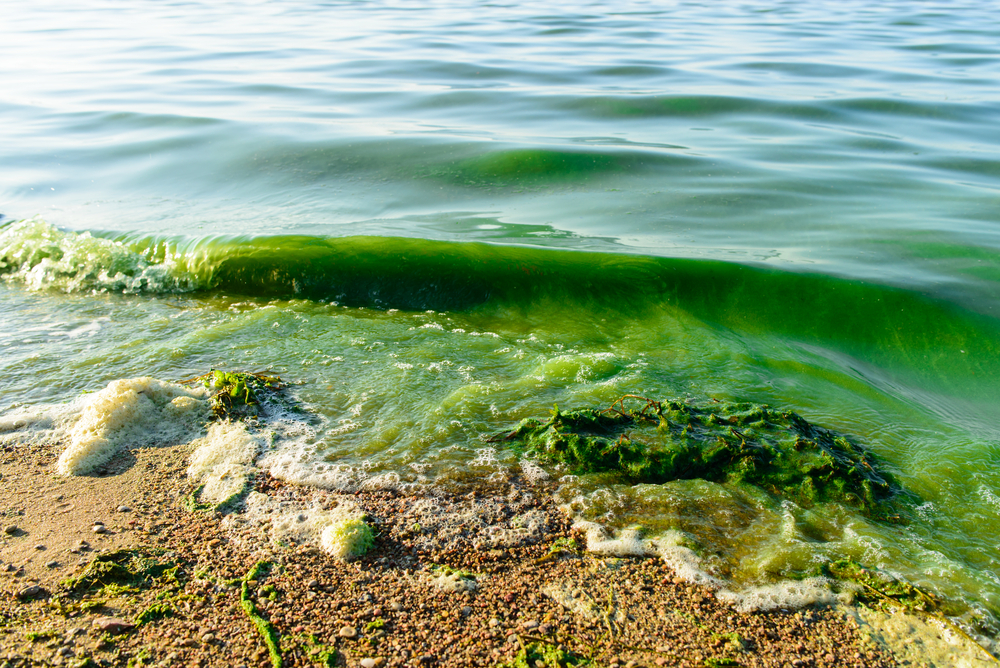
EFDC+ eutrophication model has been refactored and enhanced with the definition of a general phytoplankton group.

A commonly recognized phenomenon is that as the altitude increases, the atmospheric pressure decreases.
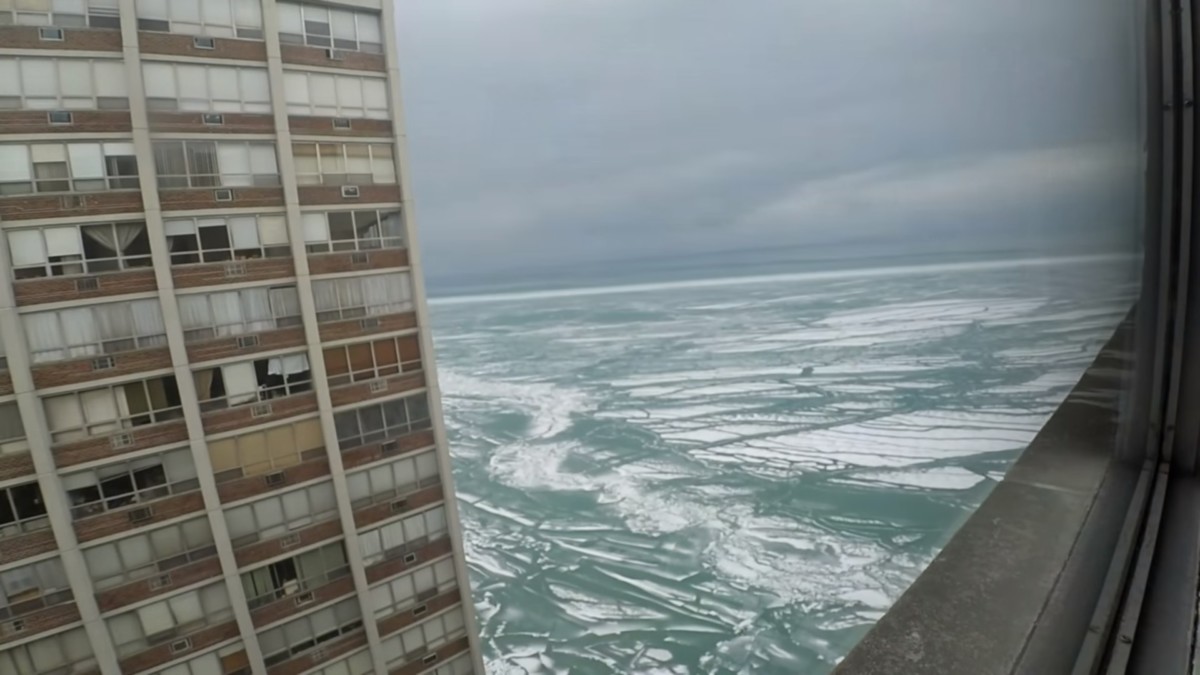
In case you are lucky enough to be missing the recent cold snap that has passed the US by, here is some “cool” time-lapse footage of the impact of wind and cold weather on Lake Michigan.
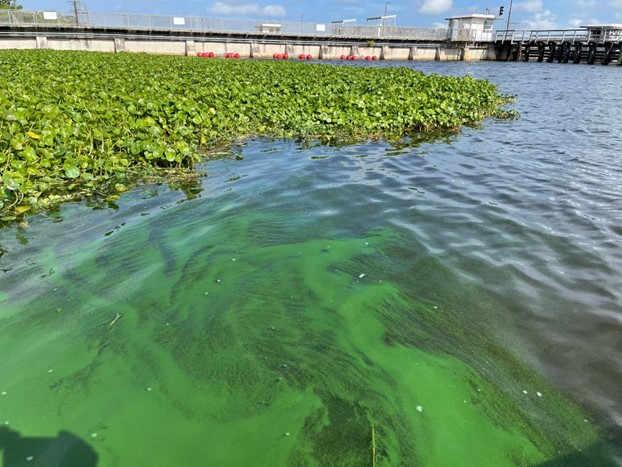
Cyanobacteria, also known as blue-green algae, are diverse photosynthetic bacteria that play a crucial role in Earth's ecosystems.
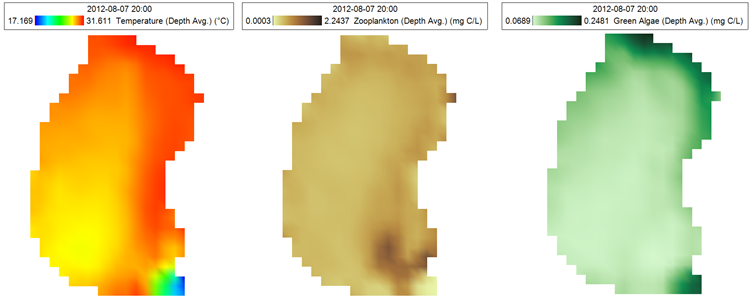
Zooplankton population modeling is a significant new feature in the recently released version of EFDC+ Explorer Modeling System (EEMS 10.3)
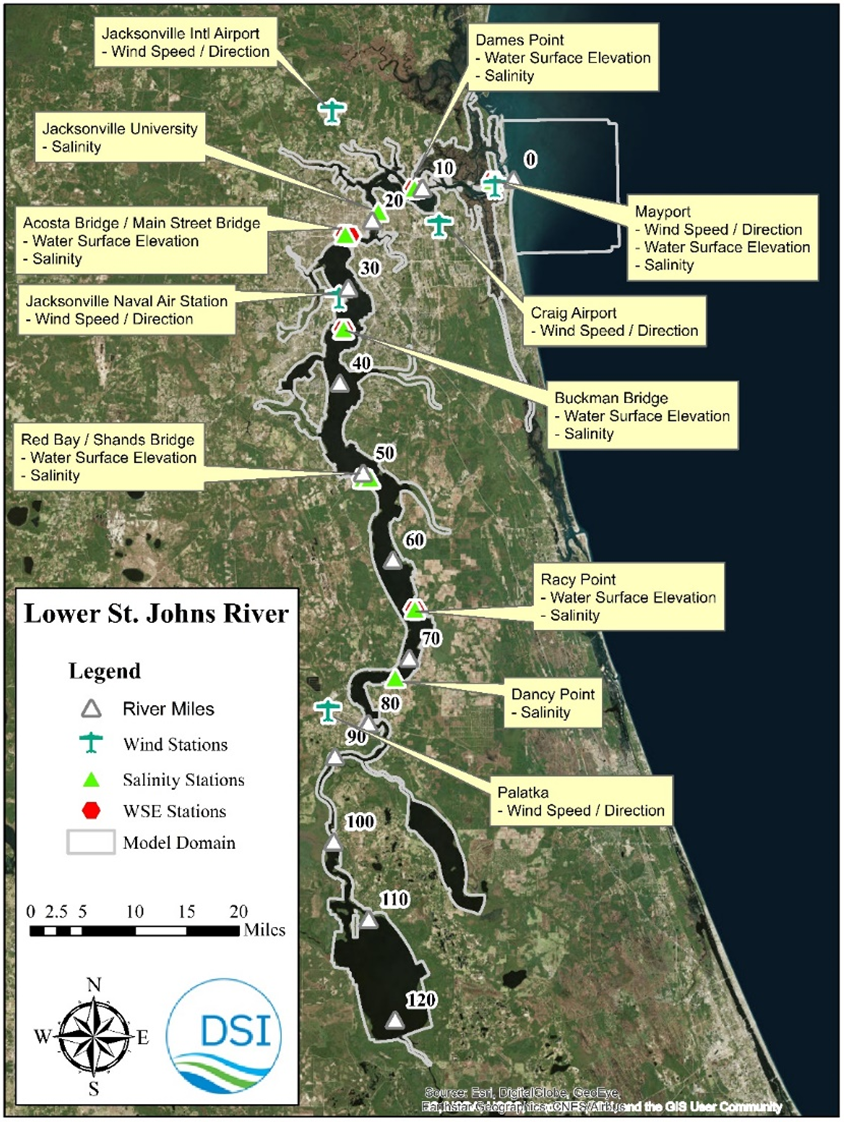
A case study on the Lower St. Johns River Estuary demonstrating how EFDC+ and EEMS can model long-term salinity intrusion and translate modeled salinity patterns into actionable habitat indicators.
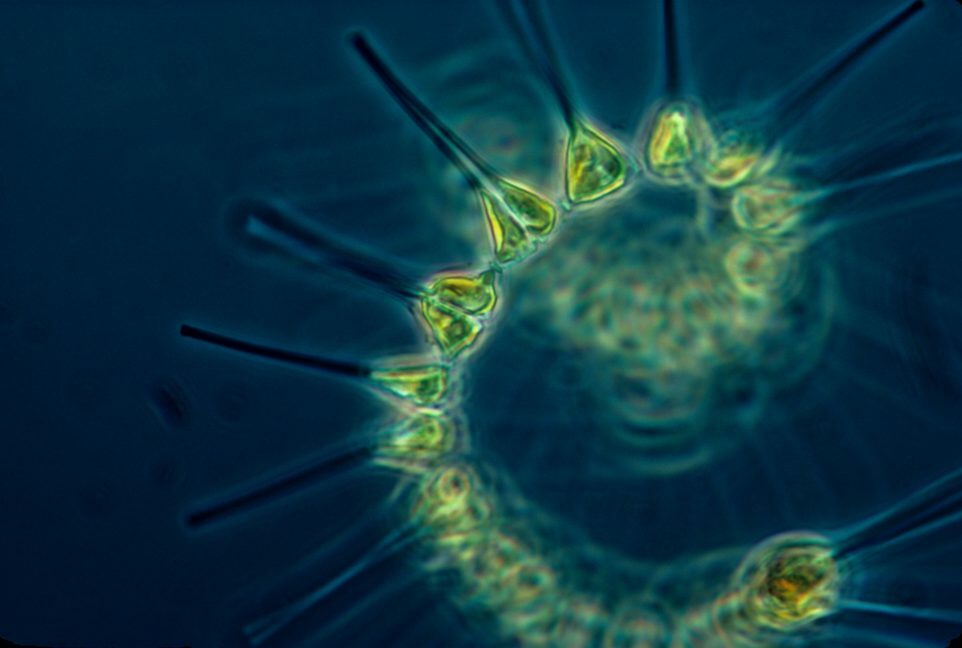
In our earlier water quality blogs, we provided a preview of new features in the upcoming version of EEMS which will include unlimited phytoplankton and zooplankton classes
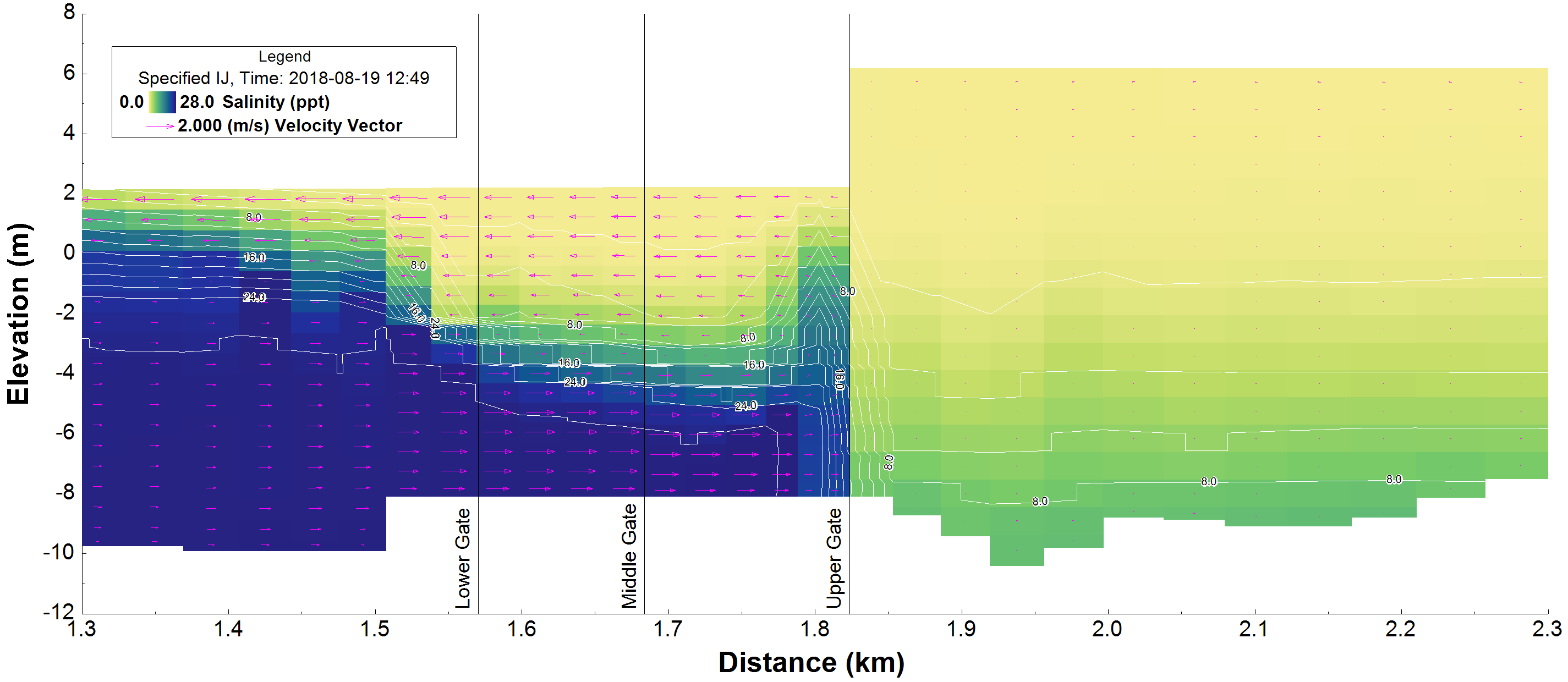
Learn how EFDC+ modeling helps understand salmon migration challenges through the Ballard Locks by simulating complex temperature and salinity dynamics in Lake Washington Ship Canal.
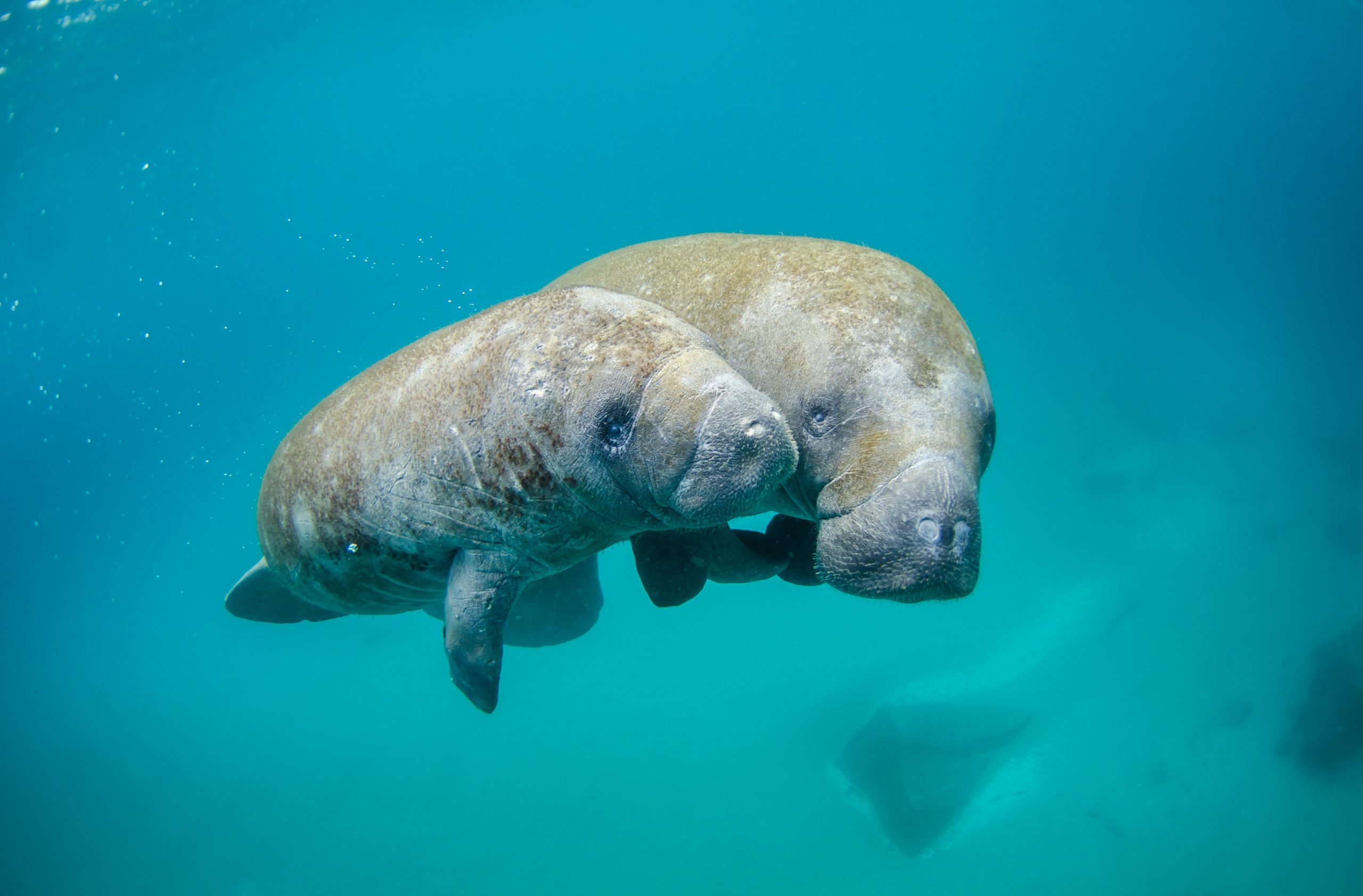
The warm waters and shallow, vegetated waterways of the Gulf of Mexico provide valuable habitat to a diverse range of plants and animals.
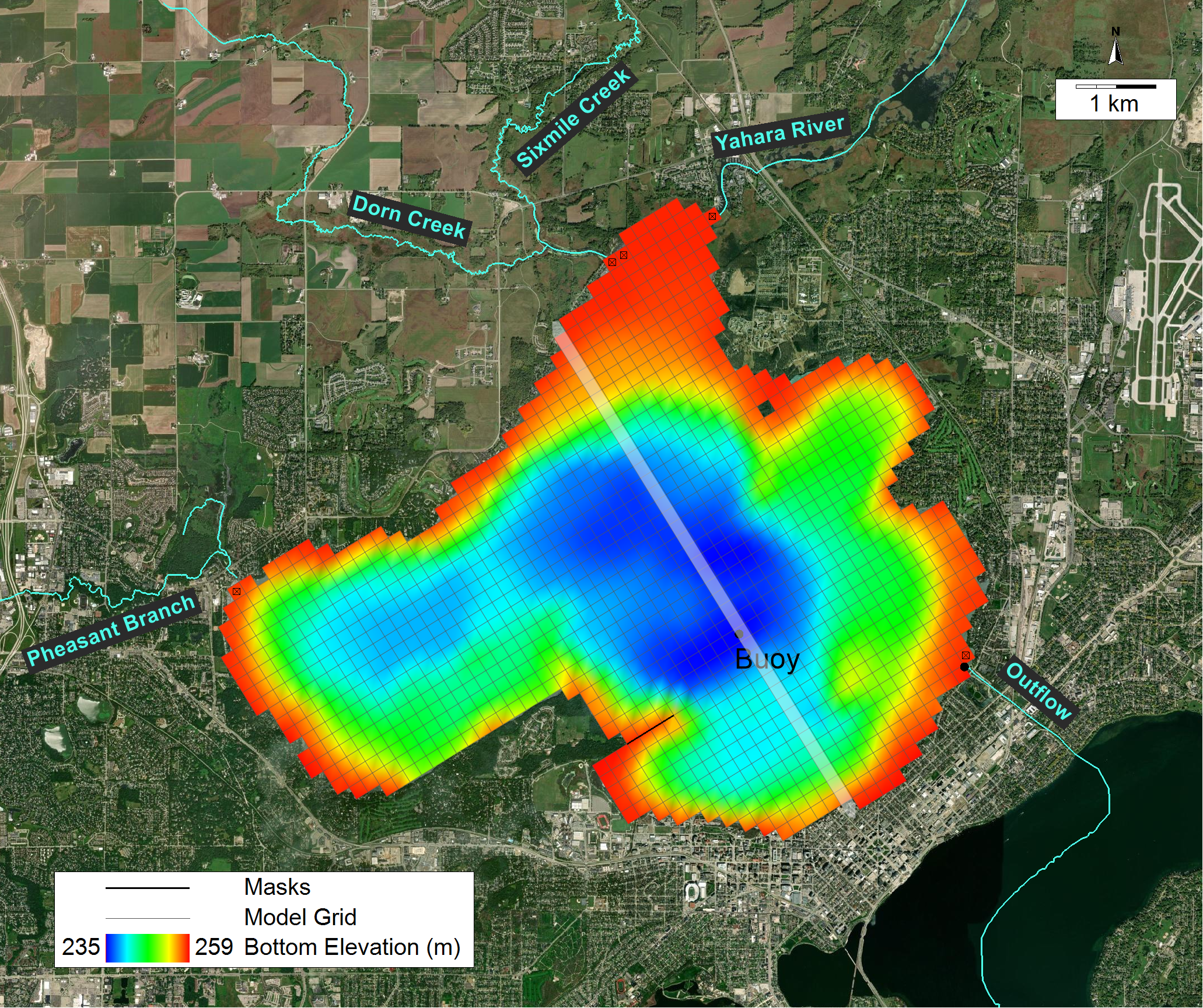
This blog extends cyanobacteria vertical migration modeling to a fully three-dimensional model of Lake Mendota, comparing Constant Velocity and Dynamic Velocity approaches.
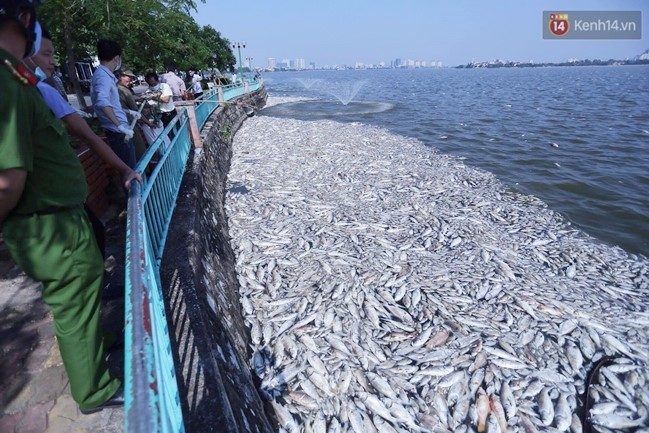
This past weekend, a major fish die-off occurred in West Lake, the largest freshwater lake located in Vietnam's capital of Hanoi.