3 Quick Ways to Load Project Files into EE
Speeding up the process of loading models into EE can help optimize your workflow while saving considerable processing time.
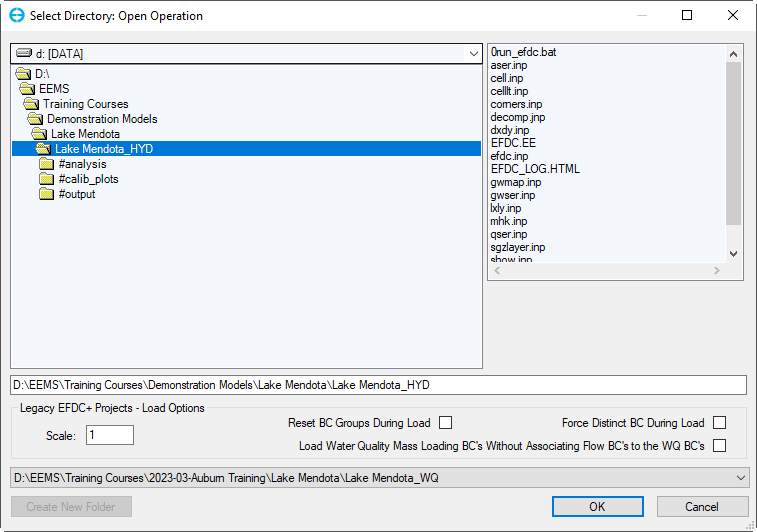
Speeding up the process of loading models into EE can help optimize your workflow while saving considerable processing time.
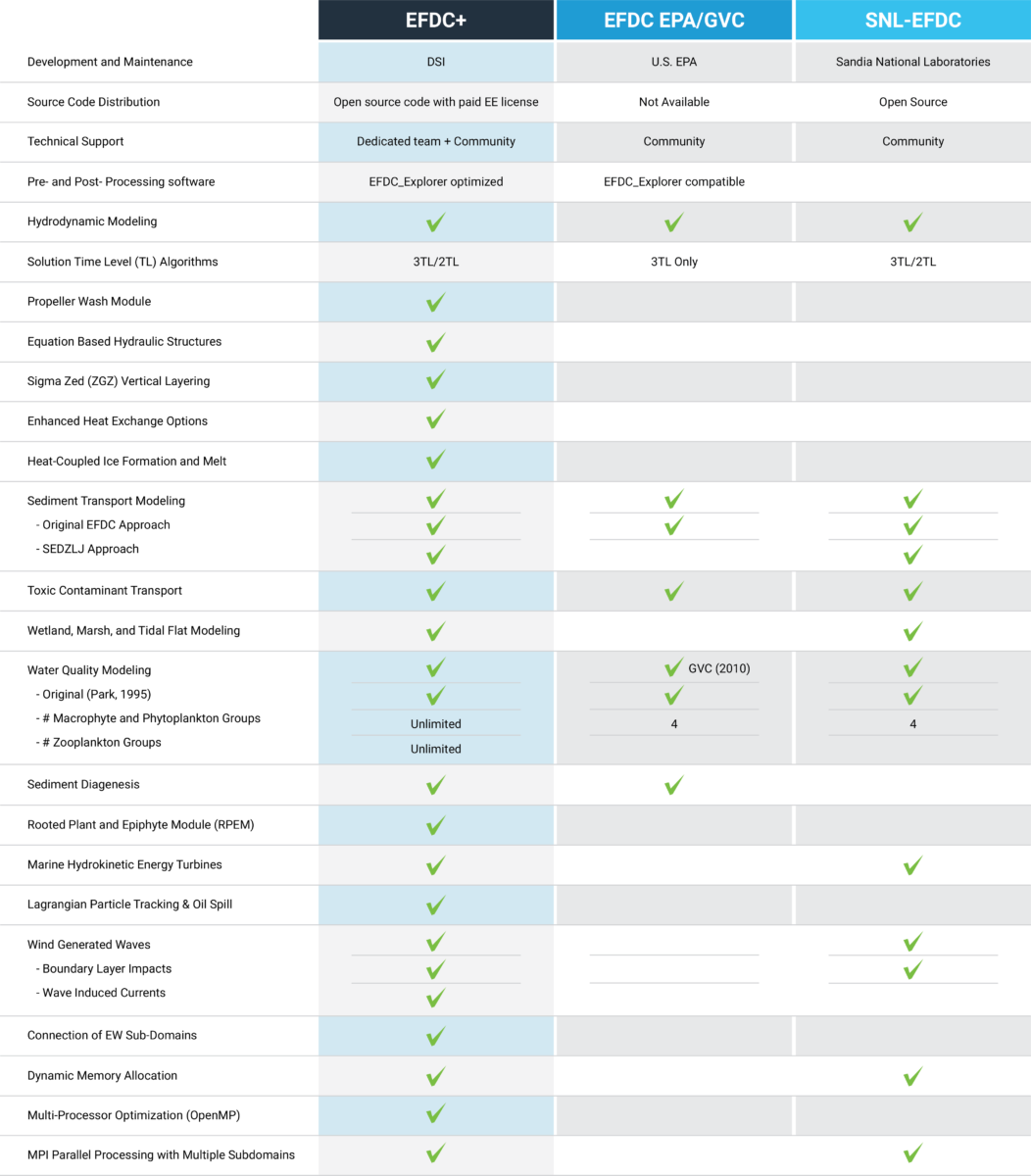
Environmental Fluid Dynamics Code (EFDC) is a state-of-the-art, multifunctional surface water modeling engine that includes hydrodynamic, sediment-contaminant
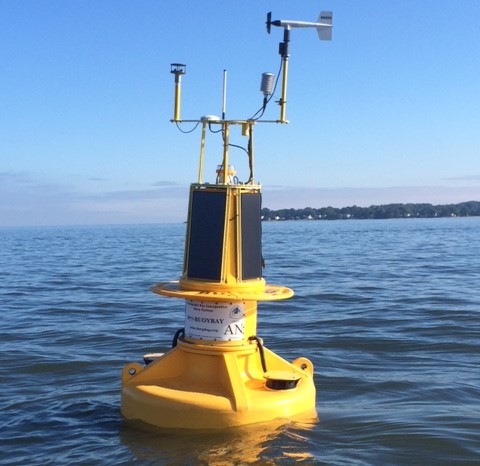
While the standard meteorological convention for the wind direction is the compass direction that the wind is coming from (direction from), in EFDC the standard convention is the compass direction that the wind is going towards (direction towards).

EEMS has been enhanced with a new feature which helps you develop nested EFDC+ models.
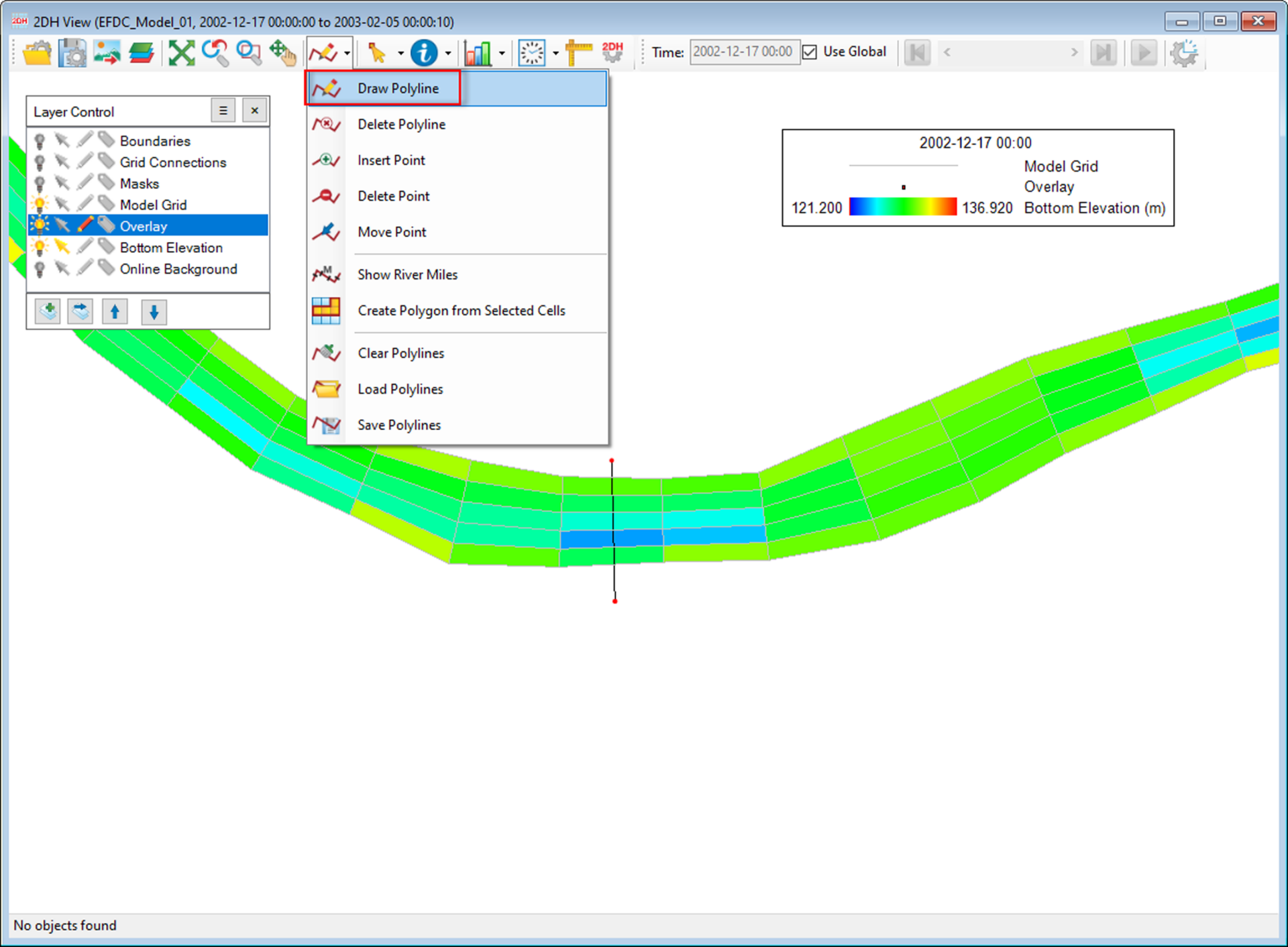
EEMS has a feature that allows users to extract flow flux through a flux line (a cross-section) and compare the extracted flow to the measured flow.
Following the implementation of COARE 3.6 in the EFDC+ code, a new option for calculating water surface heat exchange has been added.
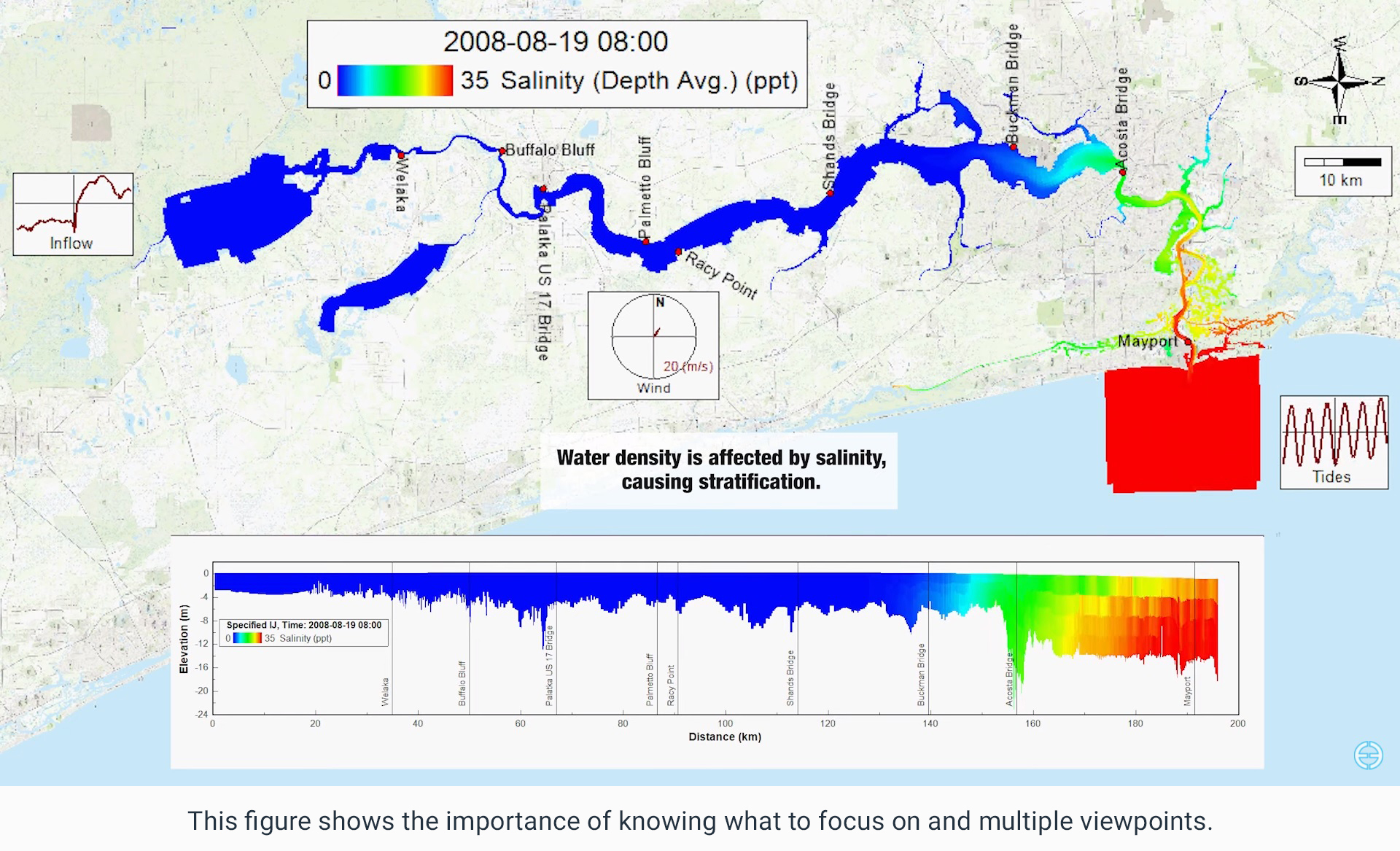
Communicating your modeling results is as important as developing a good model.
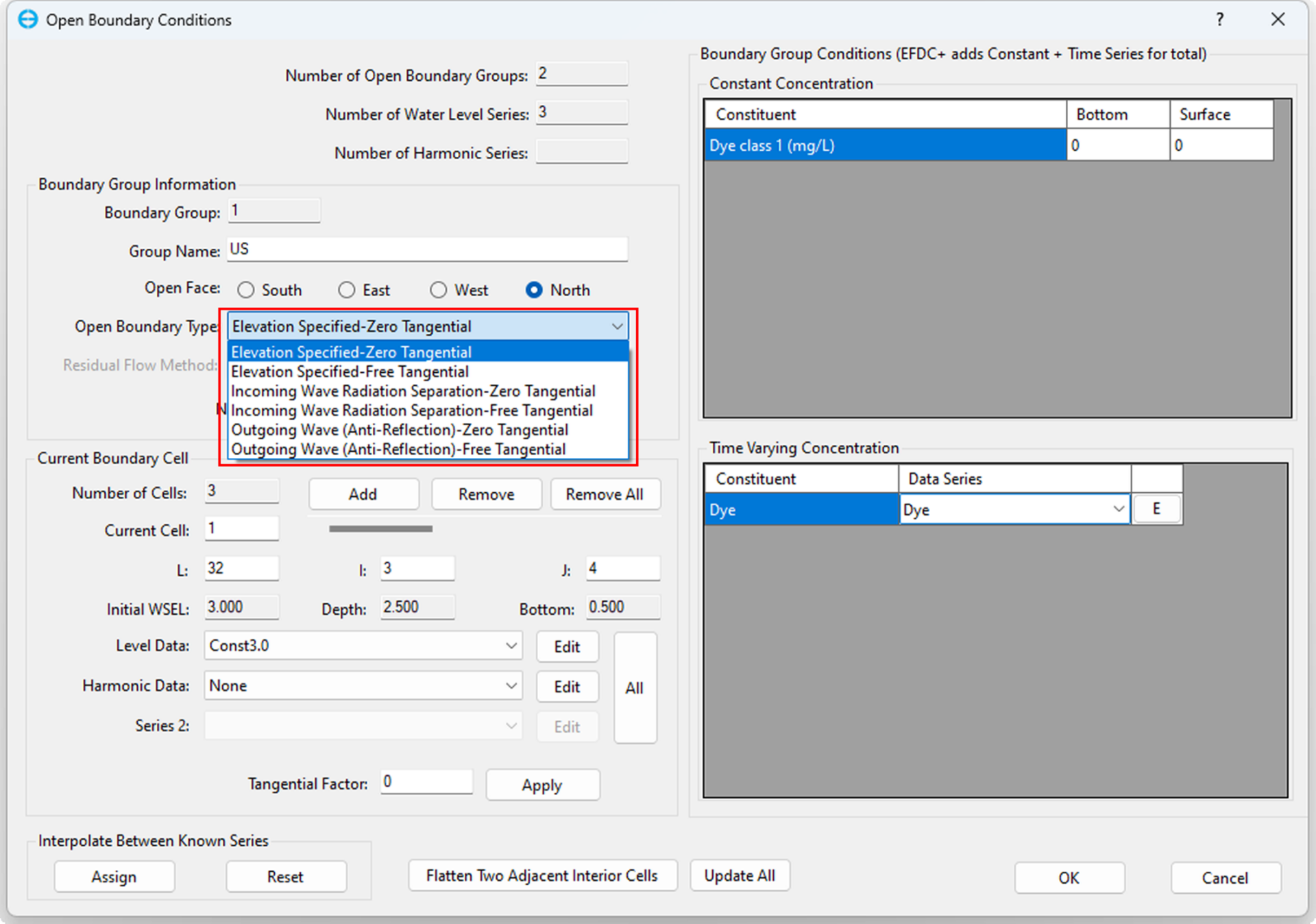
Different Types of Open Boundaries and When to Use Them Understanding and effectively utilizing open boundaries is crucial for accurate modeling and simulation in environmental and coastal engineering.
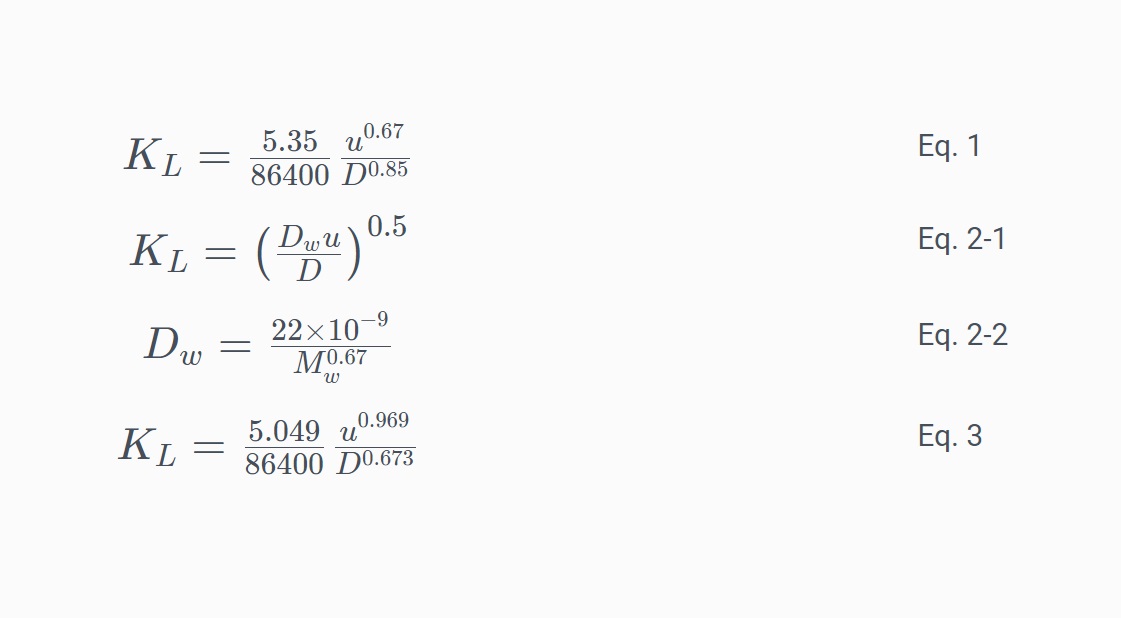
When simulating chemical fate and transport, volatile chemicals at the air-water interface frequently off-gas from the water into the atmosphere.
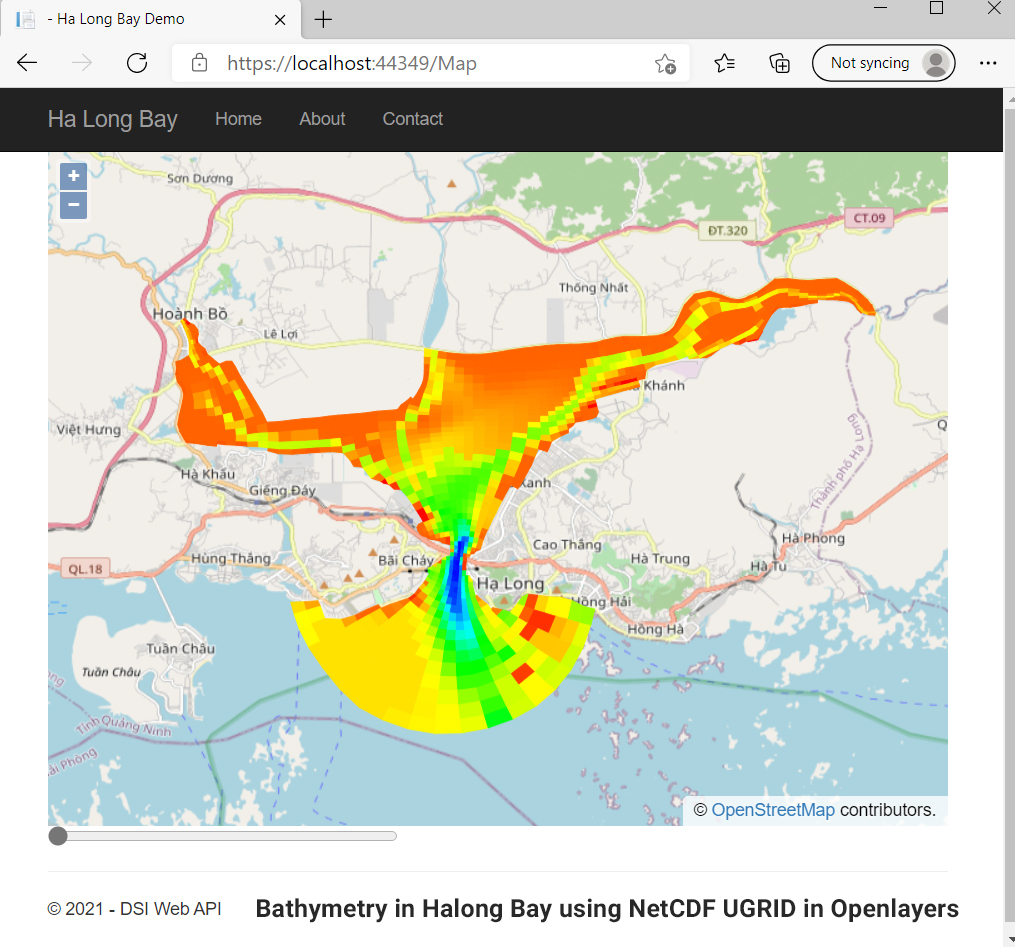
As modelers, we often deal with a variety of data types that encompass single-point observations, time series, regularly spaced grids
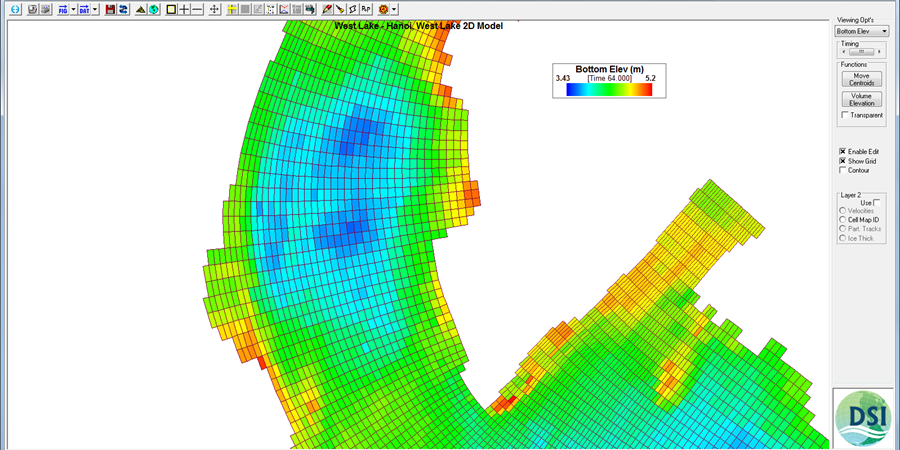
Did you know that EFDC_Explorer has the ability to triangularize its cells?
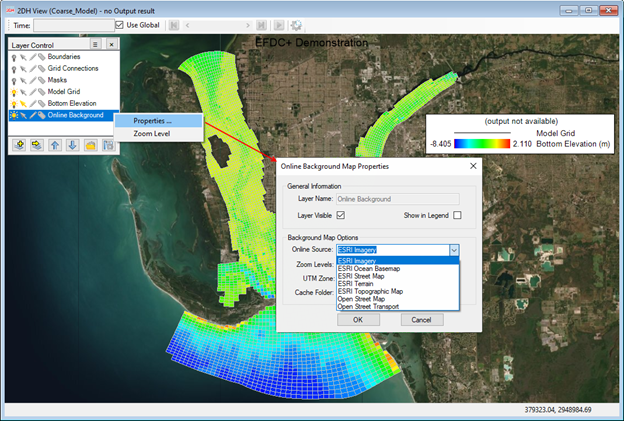
As we added new features to EFDC+, our Graphical User Interface (GUI), EFDC+ Explorer (EE) has also changed to support these new features and capabilities.
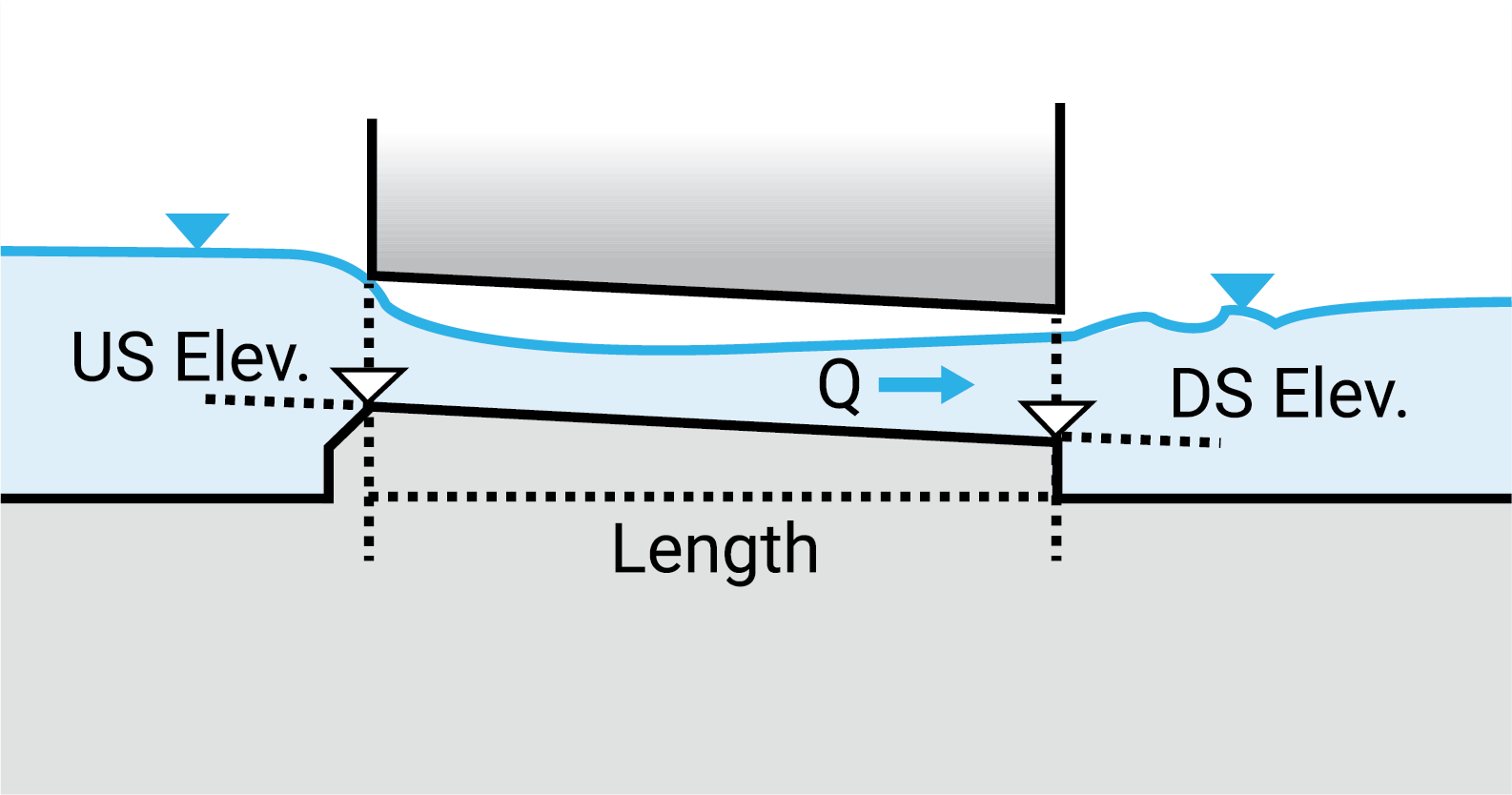
In our previous blog, we provided an overview of simulating hydraulic structures in EEMS, where we discussed the importance of rating tables and flow lookup tables in determining flow rates based on water surface elevations.
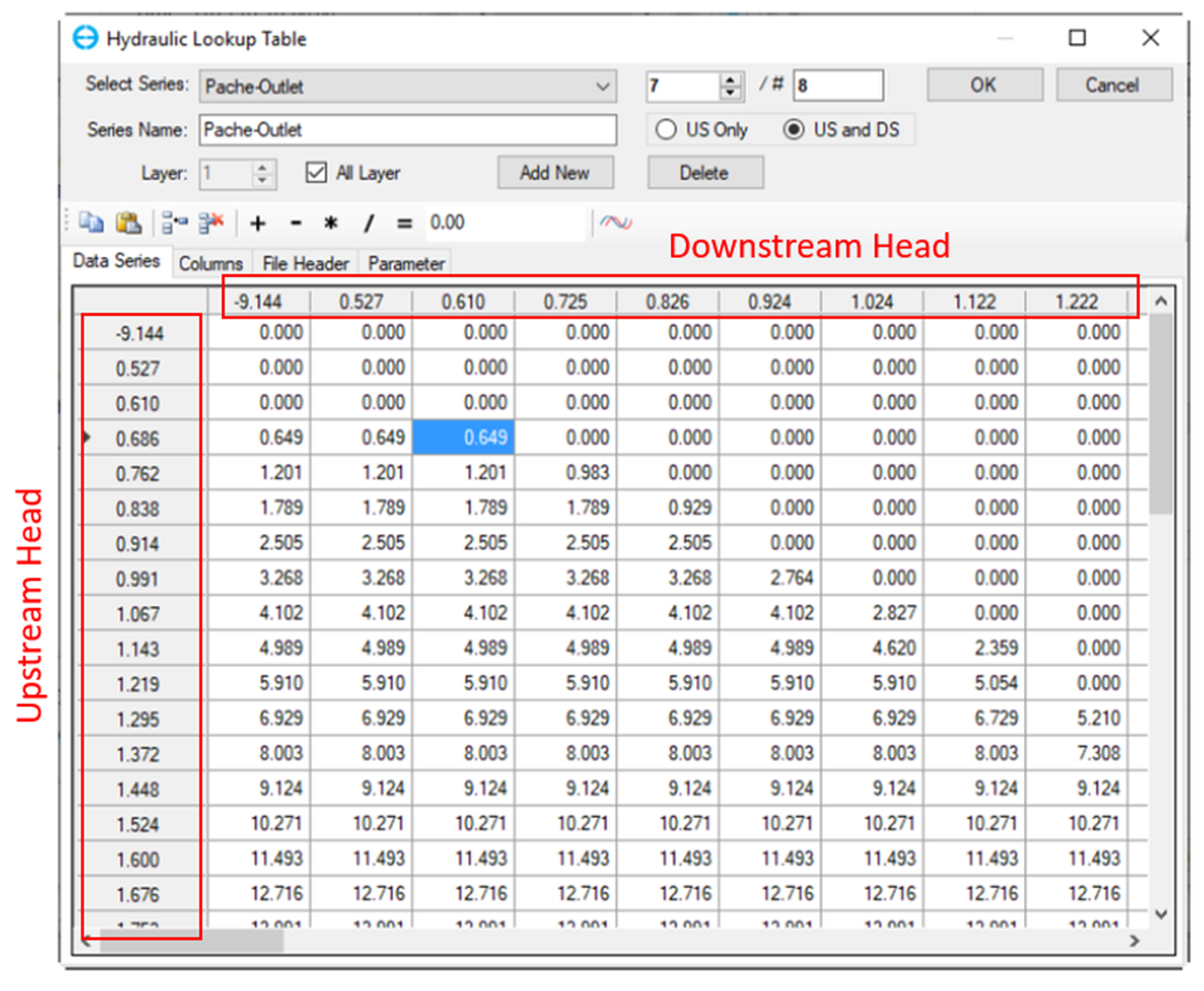
In a recent blog, we provided an overview of simulating hydraulic structures in EEMS. As a continuation, this blog details the rating table/flow lookup table to help users understand the nuanced dynamics of hydraulic structure simulations
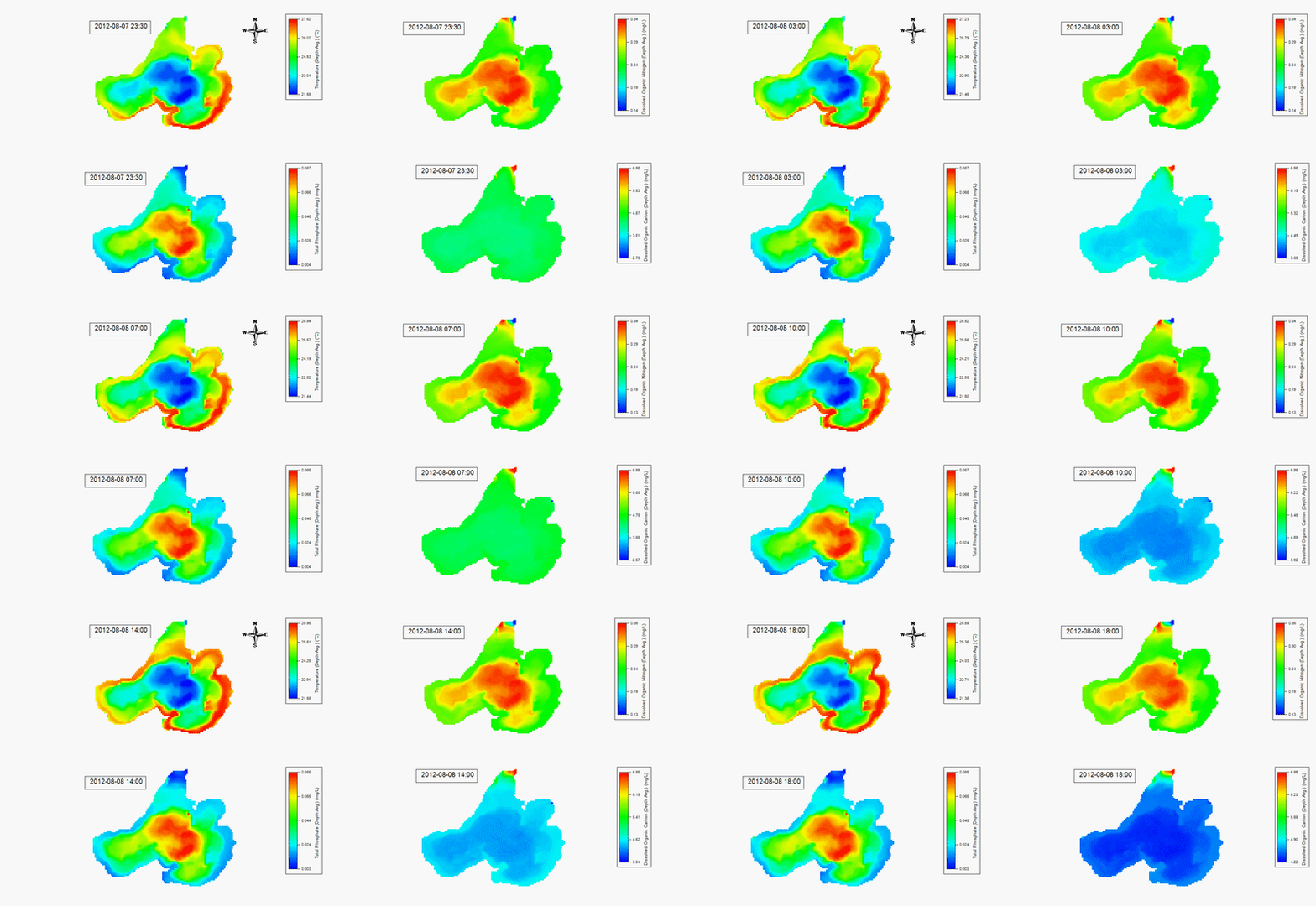
EFDC+ Explorer is a powerful tool for visualizing and analyzing EFDC+ model output and input data.