Implementation of Domain Decomposition in EFDC+ Using MPI
A primary function of EFDC+ is to solve the governing Partial Differential Equations (PDEs) for fluid flow and constituent transport.
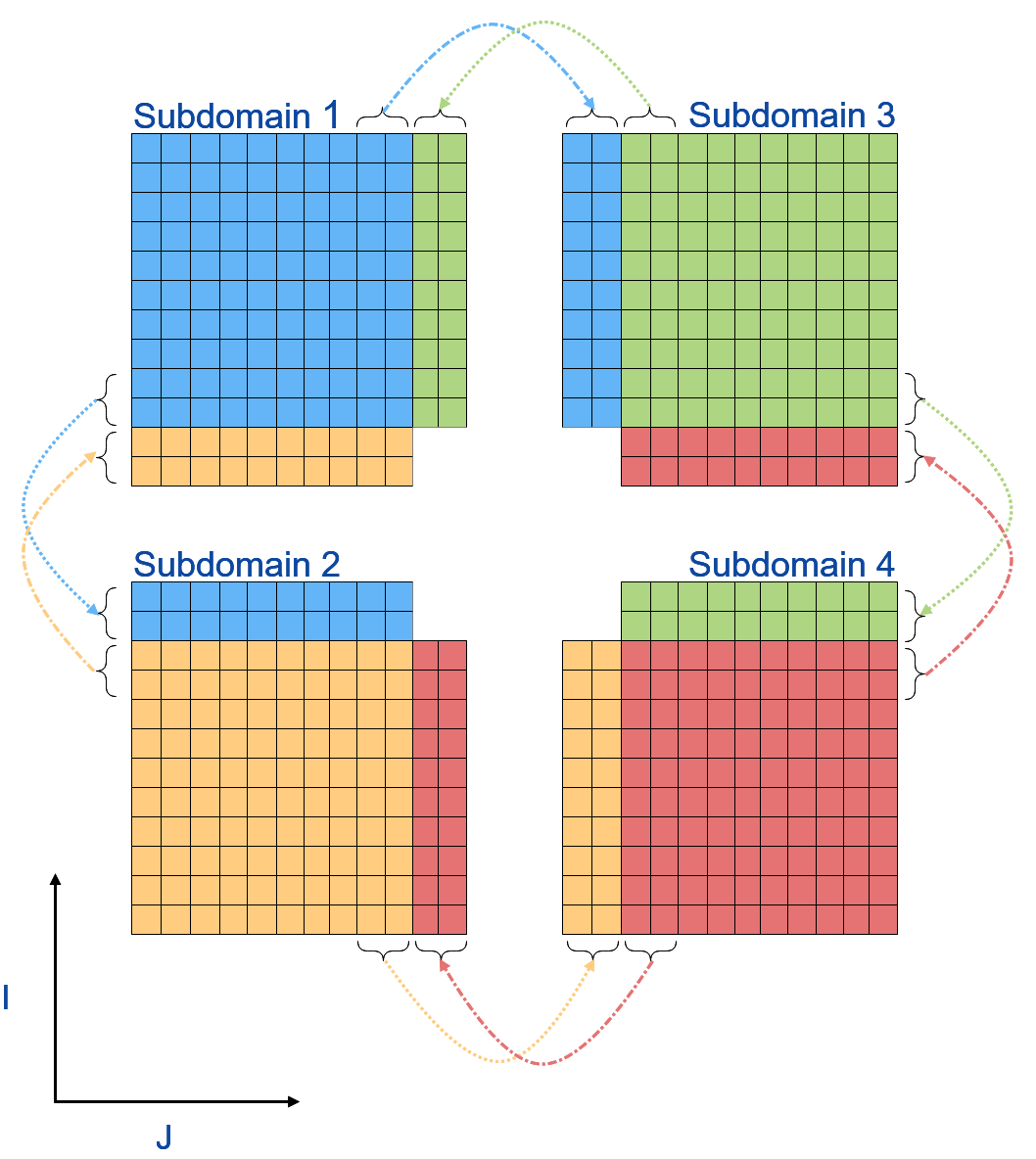
A primary function of EFDC+ is to solve the governing Partial Differential Equations (PDEs) for fluid flow and constituent transport.
Since the early development of Environmental Fluid Dynamics Code (EFDC)
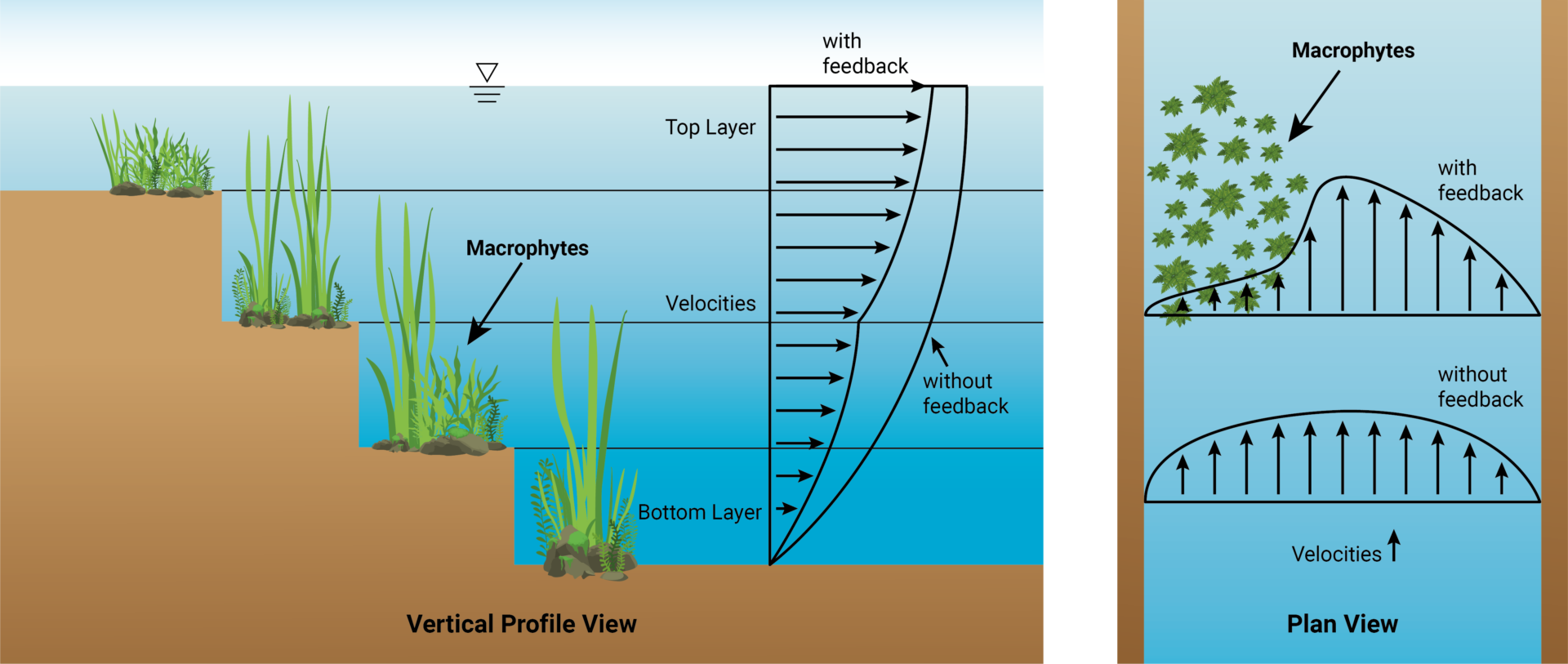
Submerged macrophytes are part of an essential relationship between the physical habitat and the biological community.
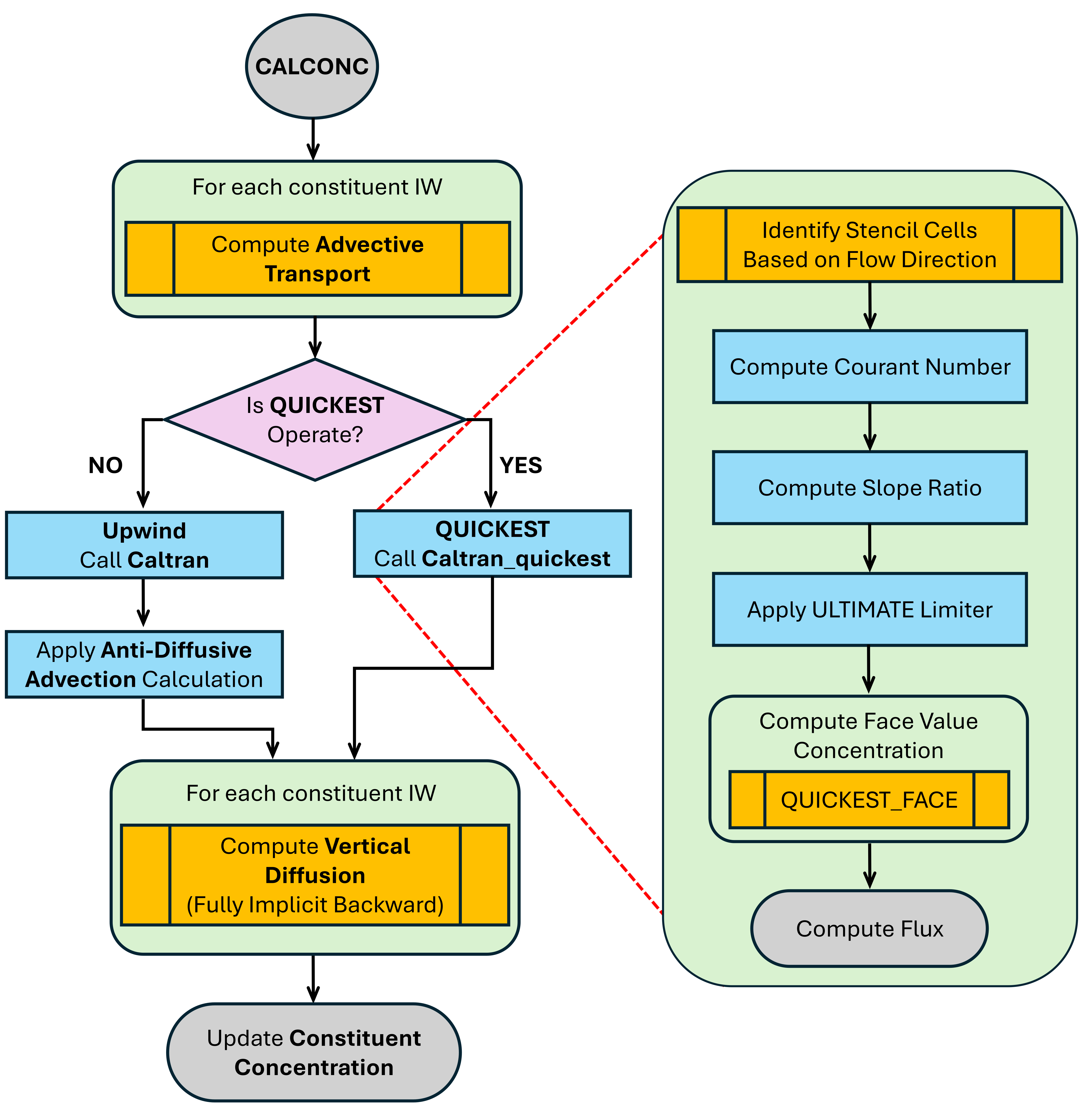
EEMS 12.5 introduces the ULTIMATE-QUICKEST scheme for advective transport in EFDC+, using quadratic interpolation to achieve third-order accuracy and reduce numerical diffusion while maintaining numerical stability.
The Coupled Ocean-Atmosphere Response Experiment (COARE) bulk algorithm, developed by C. Fairall, E. F. Bradley, and D. Rogers

JSON (JavaScript Object Notation) is an increasingly common standard data format to store and transmit data objects that use text designed to be easily read by humans.

Accurately simulating seasonal ice cover is crucial for understanding the hydrodynamics, primary production, and water quality of lake systems.

Our previous blog introduced the heat-coupled ice model implemented in EEMS. We also demonstrated its capabilities through a simulation of ice formation and melting in Lake Mendota
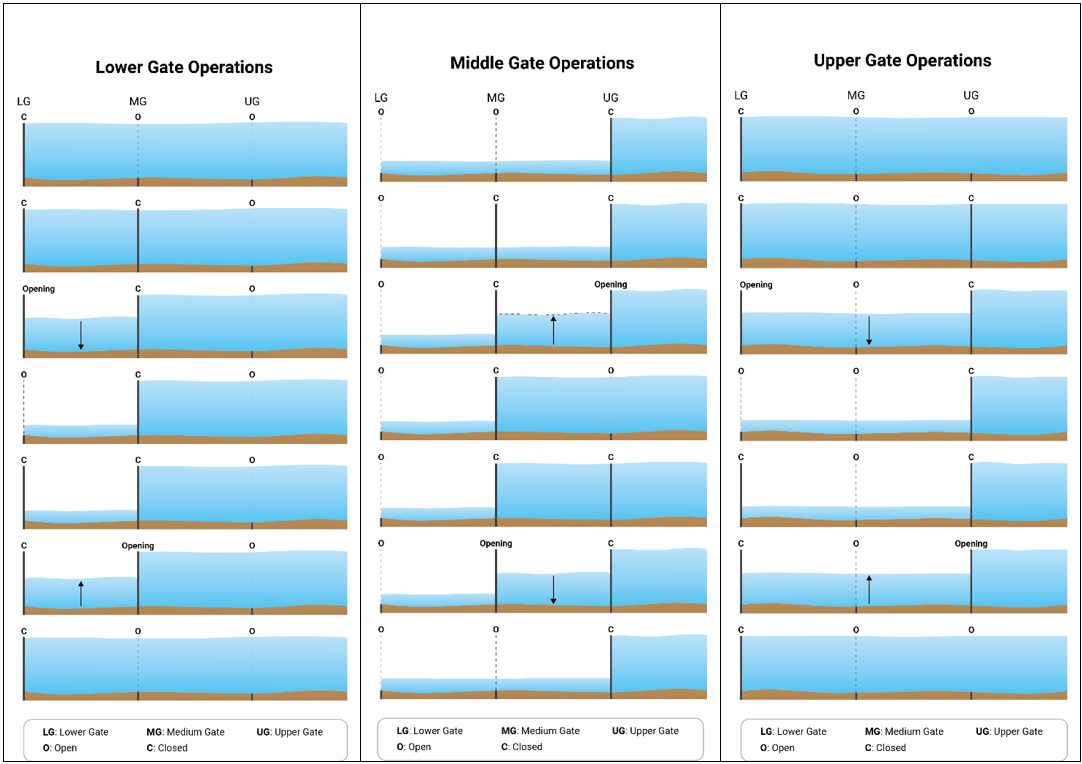
A lock is a hydraulic structure employed to facilitate the movement of boats, ships, and similar watercraft between different water levels on rivers and canals.
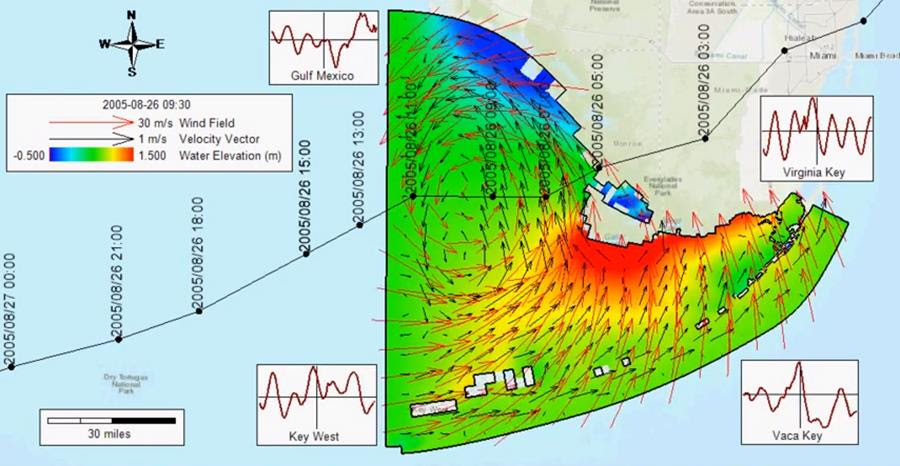
EEMS10 now has the ability to simulate spatially and temporally varying fields, such as a wind or barometric pressure fields.

A new vertical layering option following the Sigma-Zed (SGZ) approach has recently been added to EEMS. The new SGZ scheme offers significant flexibility in configuring the vertical layering system
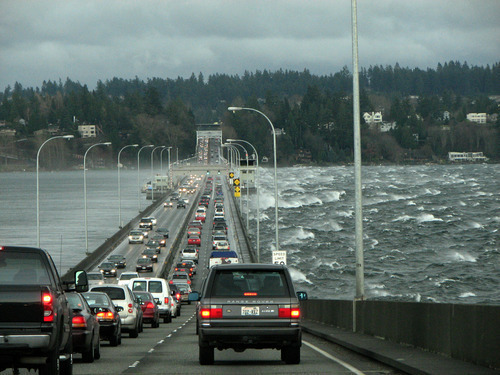
DSI has added a new capability to EFDC+ 10.1. This new capability allows the model to simulate partially blocked depths due to floating objects
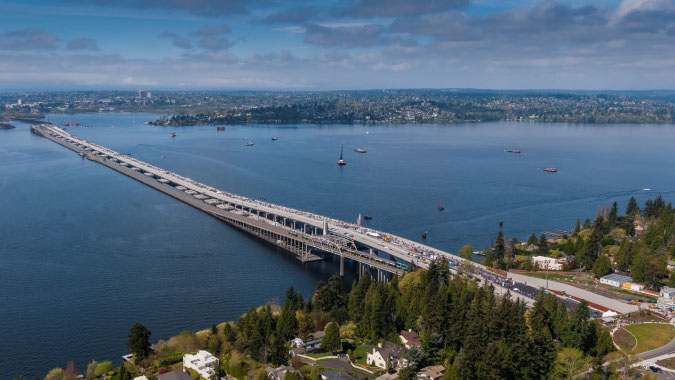
Lake Washington is a very deep lake that made conventional bridge construction difficult. To allow a traffic to cross the lake, a floating bridge was constructed.
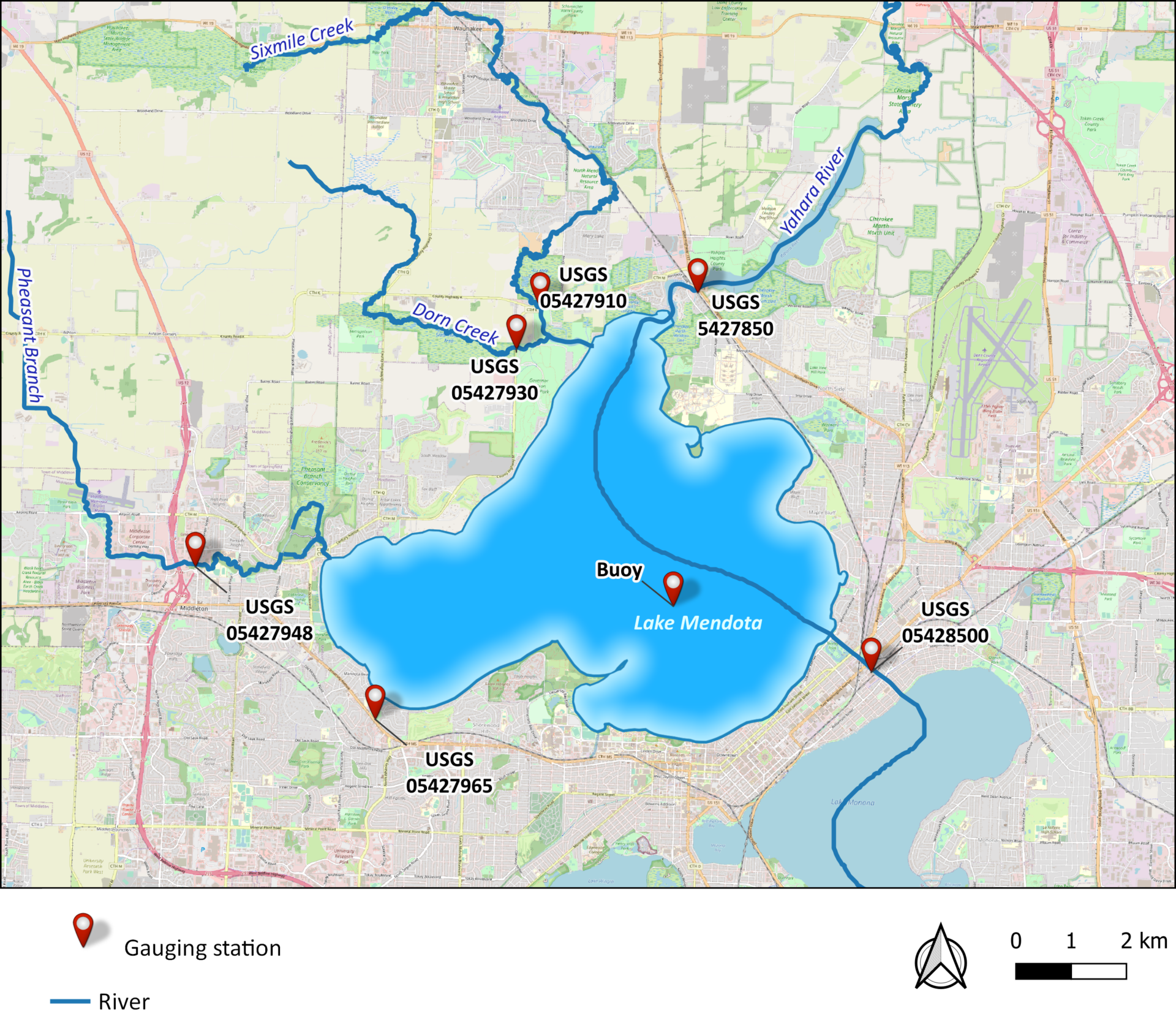
Following the implementation of COARE 3.6 in the EFDC+ code, a new option for calculating water surface heat exchange has been added.
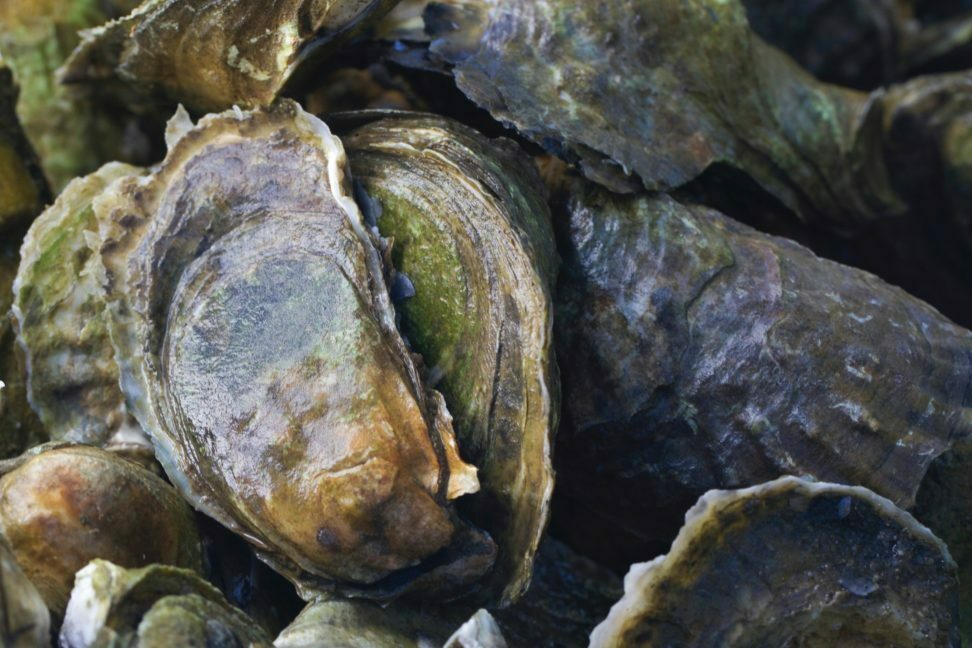
The new shellfish sub-model in EEMS10.2 was used to replicate the Kobayashi et al., (1997) test case