Lake Washington Real-Time Model
DSI recently developed a real-time model for Lake Washington, along with a public-access model portal.
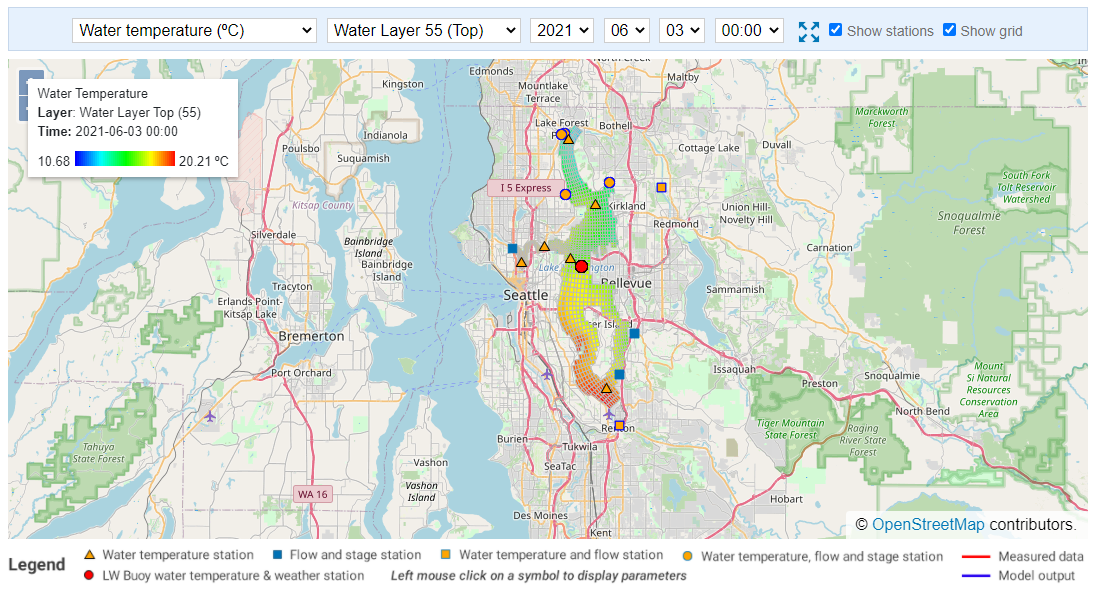
DSI recently developed a real-time model for Lake Washington, along with a public-access model portal.

Beaches and parks along Lake Washington provide a great environment for outdoor activities and relaxation for residents nearby.
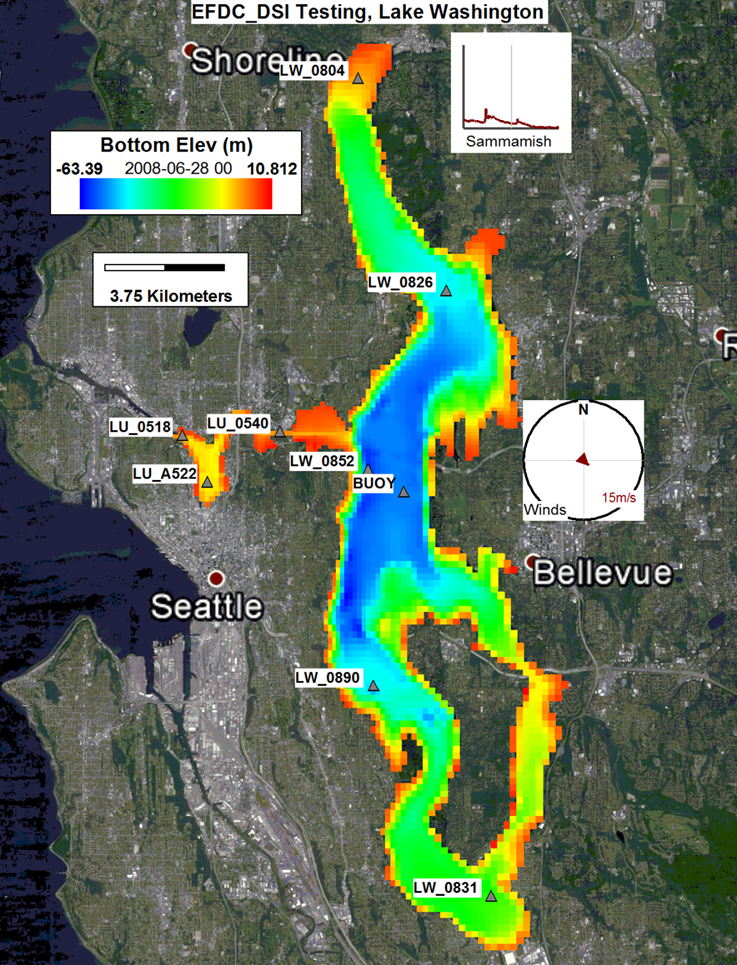
Lake Washington is the second largest natural lake in the State of Washington, USA. It is a lake with steeply sloping sides and also has long-term

Climate change is an accepted reality, so most infrastructure development and maintenance will require the evaluation of possible impacts of climate change.
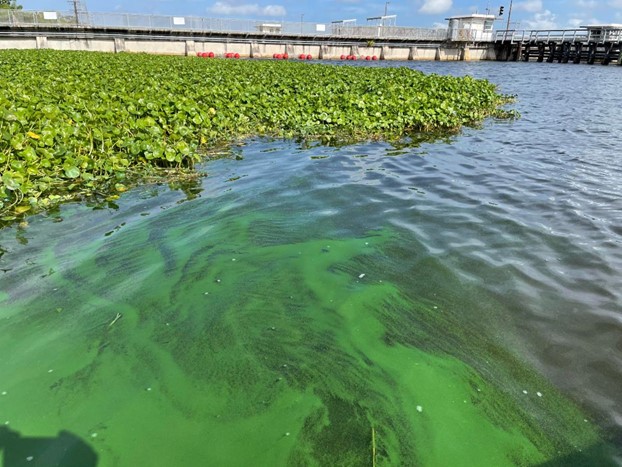
Cyanobacteria, also known as blue-green algae, are diverse photosynthetic bacteria that play a crucial role in Earth's ecosystems.
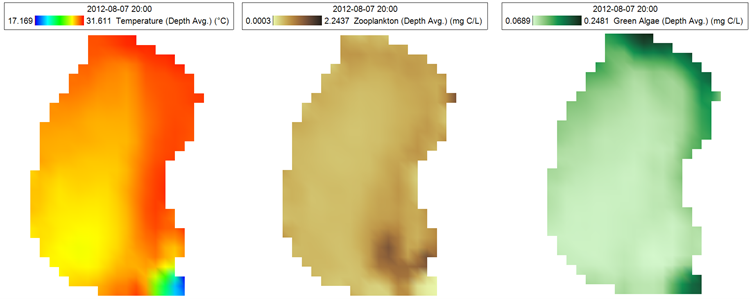
Zooplankton population modeling is a significant new feature in the recently released version of EFDC+ Explorer Modeling System (EEMS 10.3)
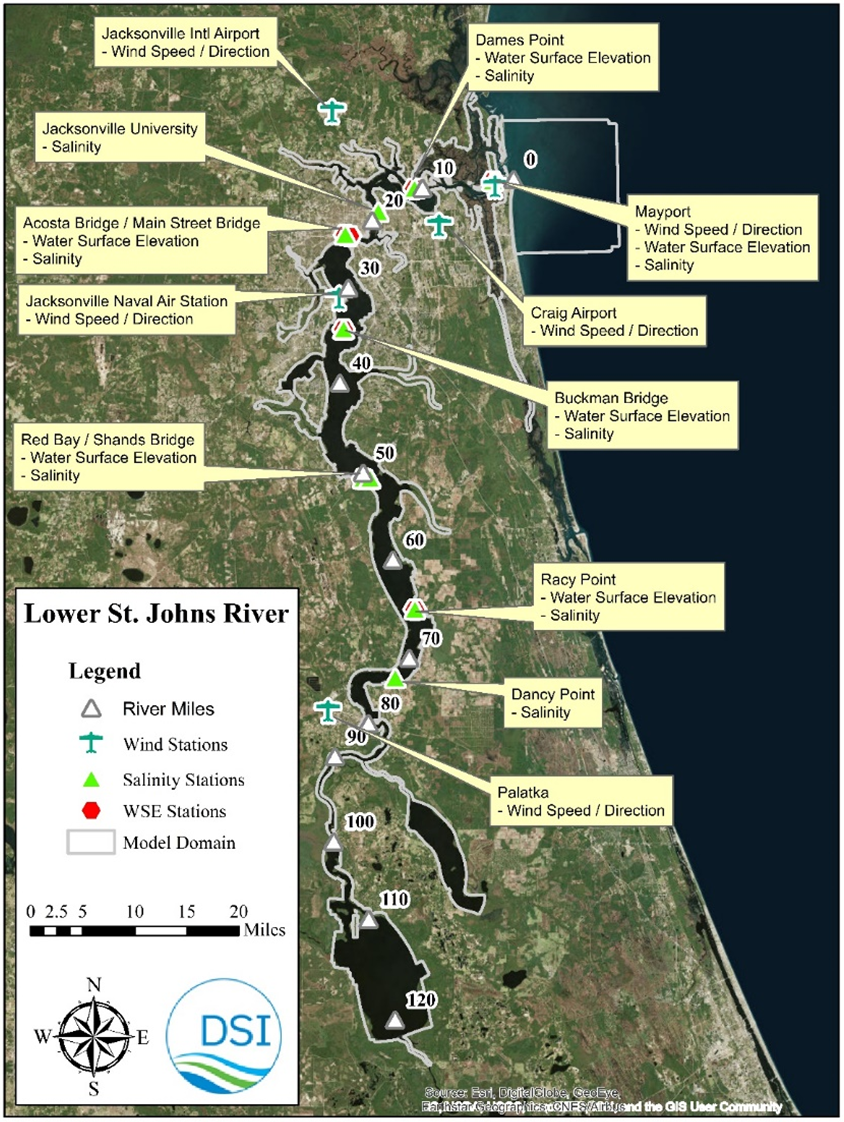
A case study on the Lower St. Johns River Estuary demonstrating how EFDC+ and EEMS can model long-term salinity intrusion and translate modeled salinity patterns into actionable habitat indicators.
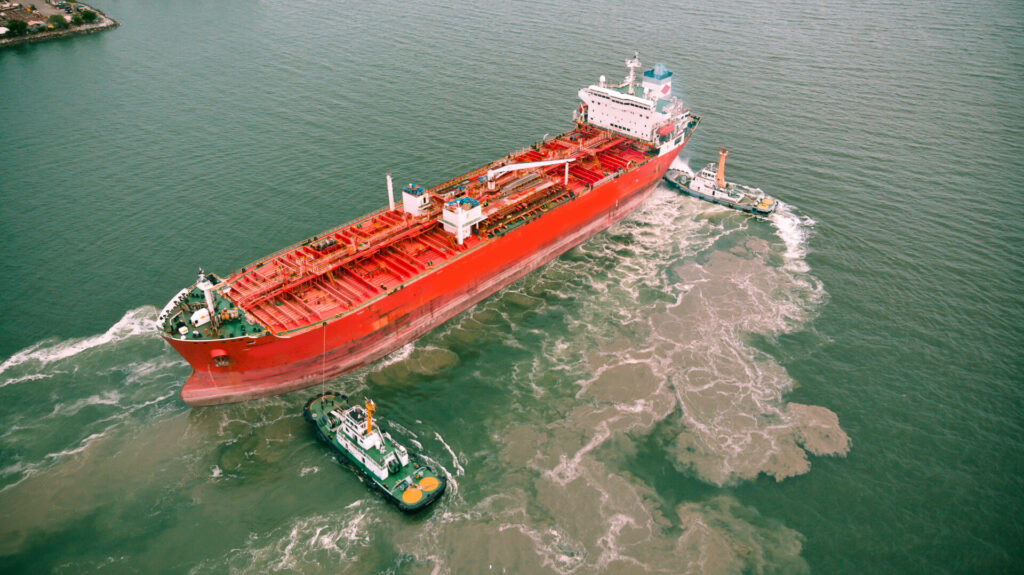
Sediment resuspension occurs in harbors across the world as a function of propeller-induced water velocities, and resulting shear stress, at the sediment-water interface.
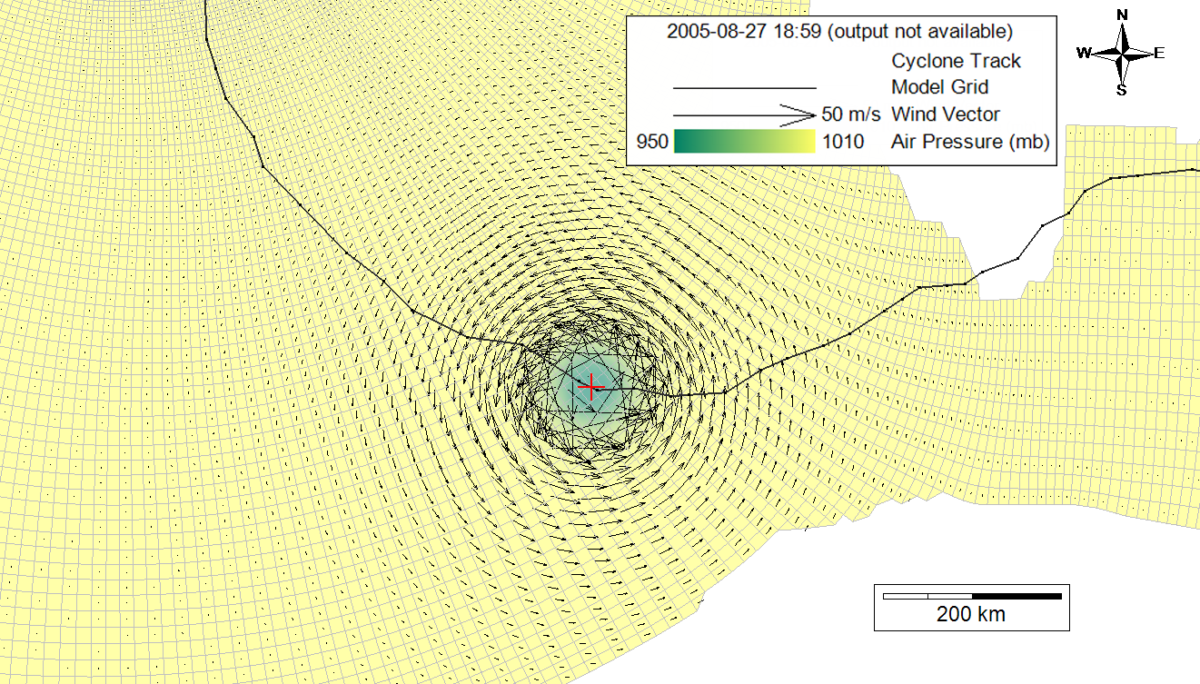
A tropical cyclone is a system of rapidly rotating wind around a low-pressure center that produces extreme winds, gusts, and heavy rainfall.
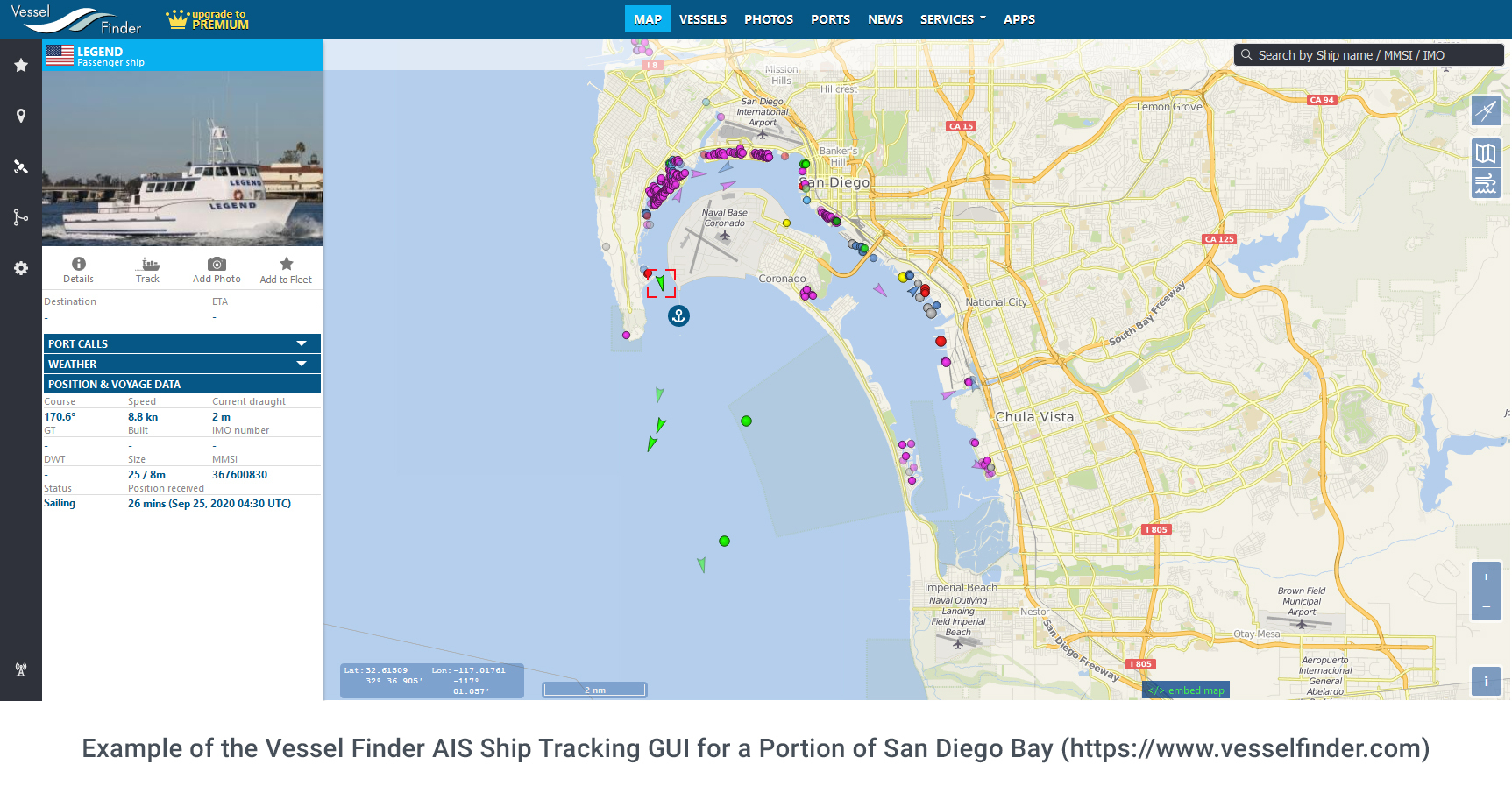
Simulation of the impacts of propeller wash in hydrodynamic and sediment transport models requires detailed information on ship travel routes and the physical characteristics of each ship.
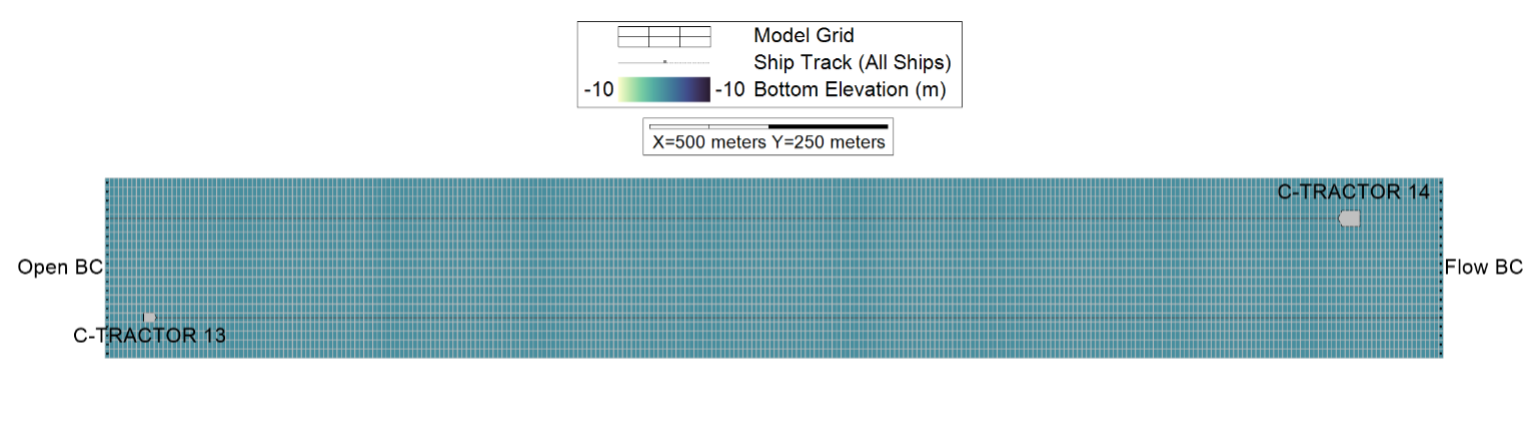
A 3D EFDC+ simulation showing how propeller wash from passing ships breaks up a 100 ppt hypersaline bottom layer in a navigation canal.
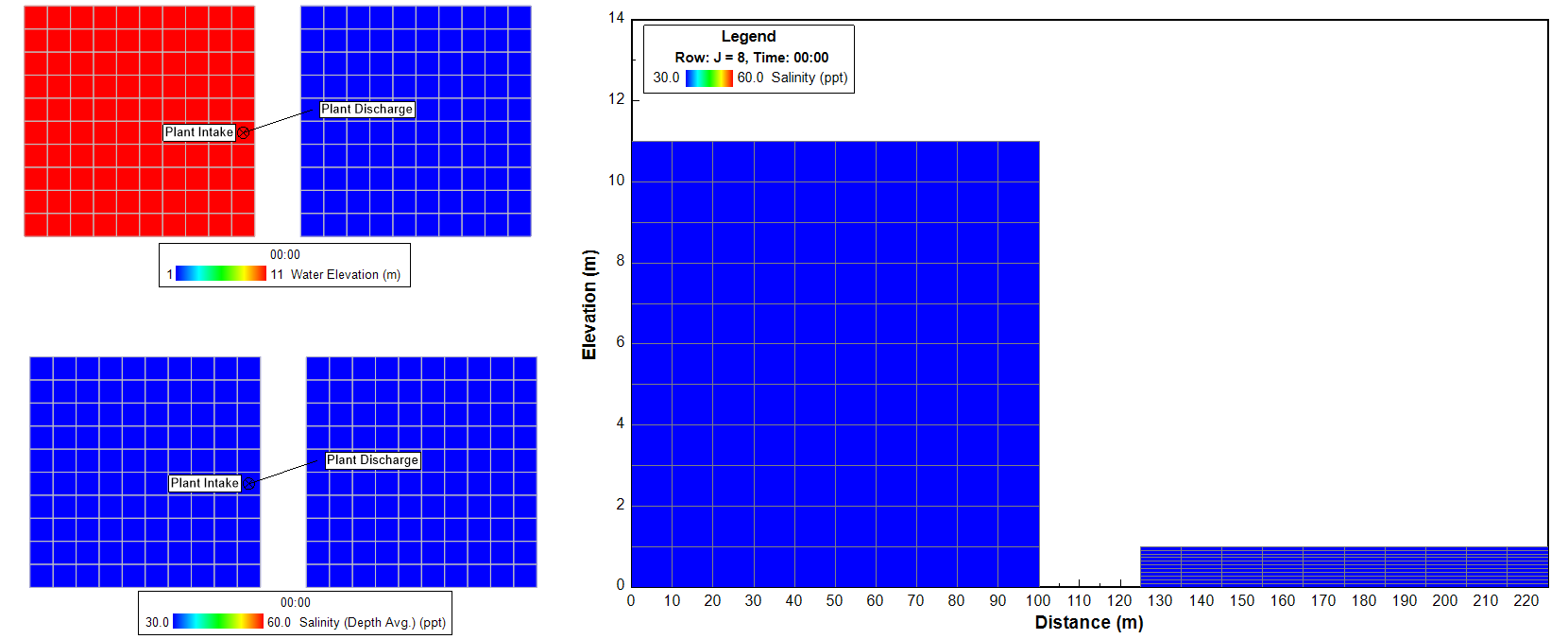
EFDC+'s withdrawal/return boundary condition now supports signed discharge modifiers and per-constituent offsets, so you can represent consumptive intake, brine discharge, and dilution with the discharge concentration derived from mass conservation instead of a prescribed value.
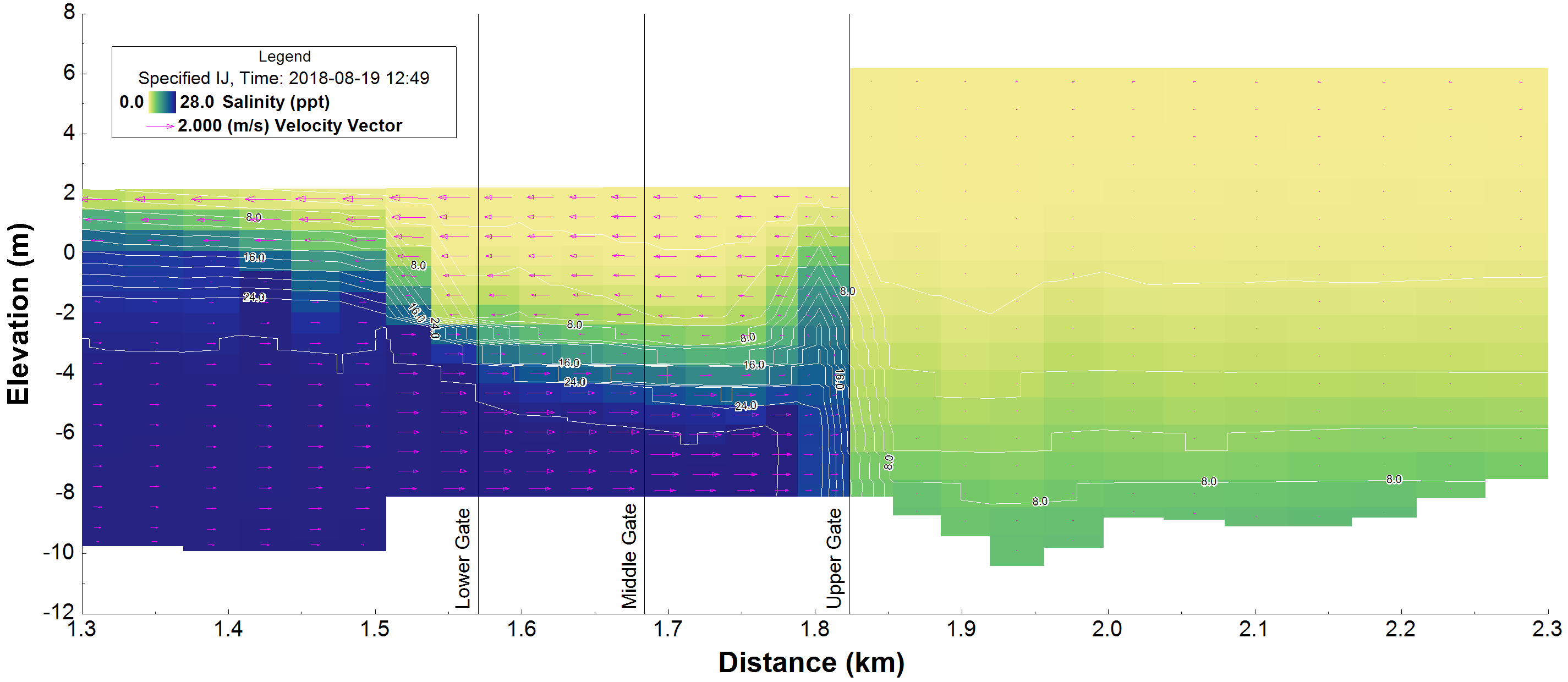
Learn how EFDC+ modeling helps understand salmon migration challenges through the Ballard Locks by simulating complex temperature and salinity dynamics in Lake Washington Ship Canal.
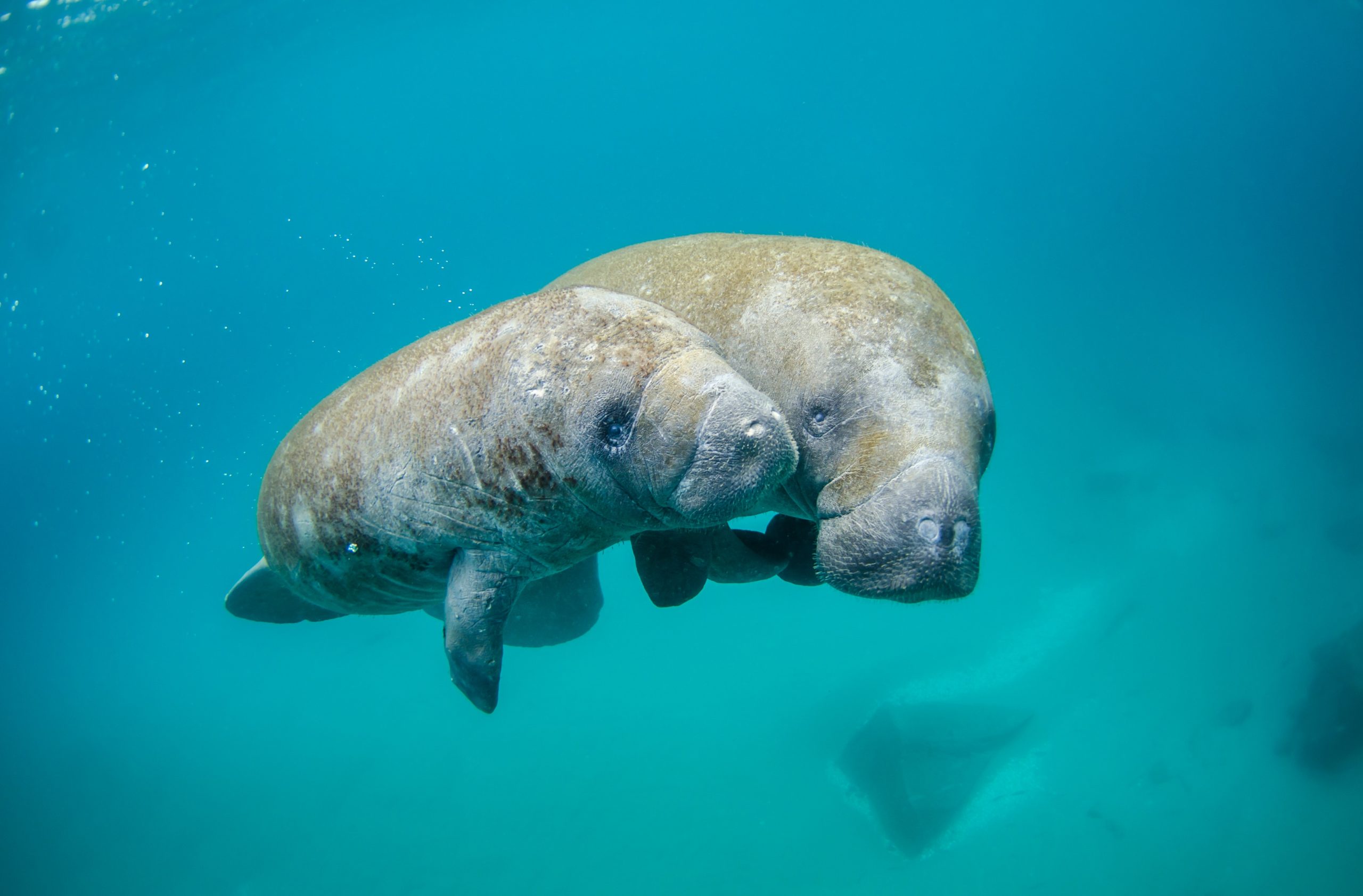
The warm waters and shallow, vegetated waterways of the Gulf of Mexico provide valuable habitat to a diverse range of plants and animals.

This is the first in a three-part blog series that provides an introduction to hydrodynamic modeling, an overview of how models work, and, finally, an exploration of their many applications.