Anti-Reflection Open Boundary Condition
Boundary conditions are one of the key aspects of hydrodynamic models and require special attention.
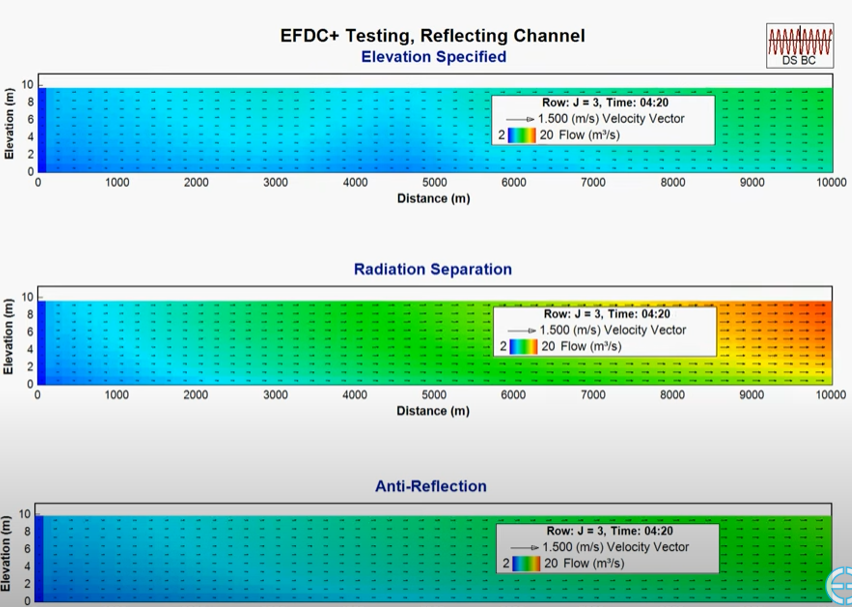
Boundary conditions are one of the key aspects of hydrodynamic models and require special attention.
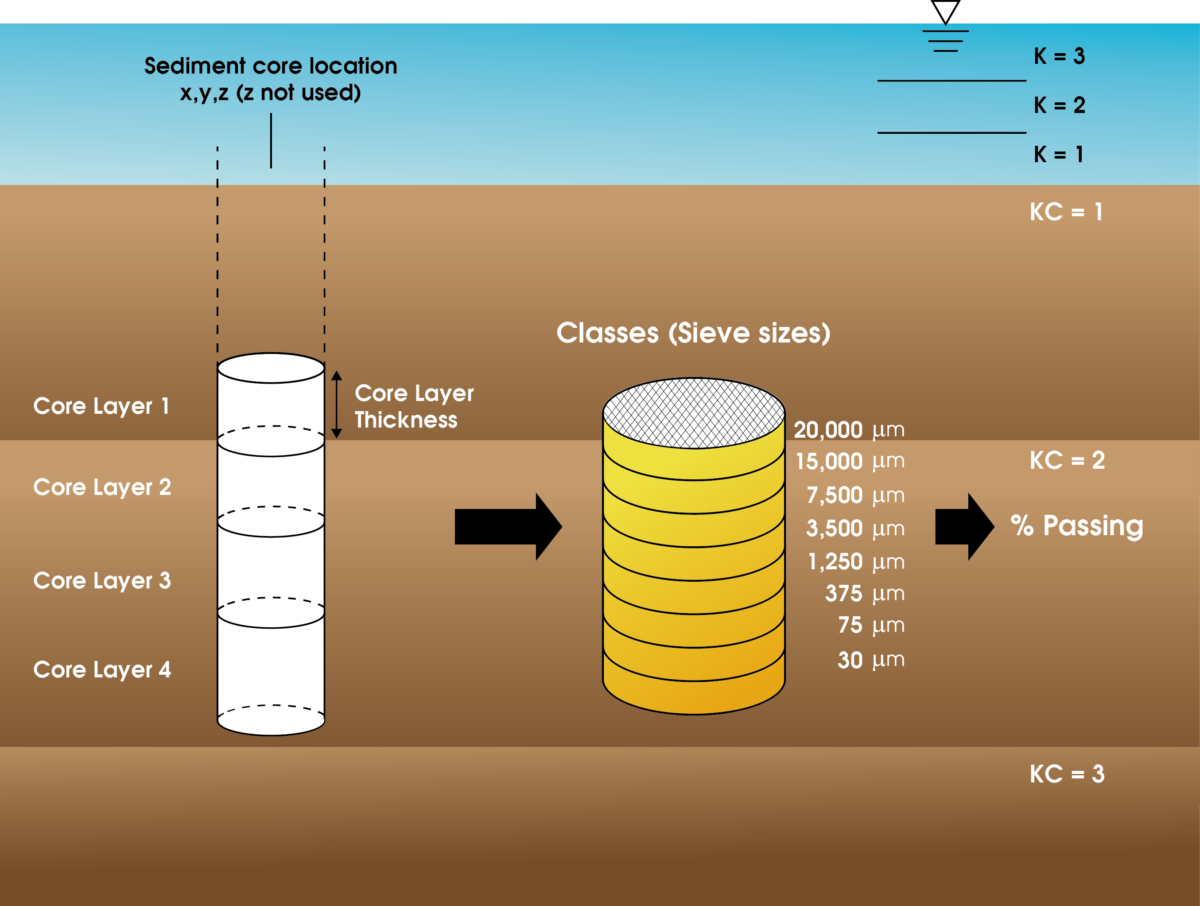
For sediment transport modeling, EFDC requires a modeler to define particle size classes and specify the median diameter for each class, which can represent the average behavior of the particles.
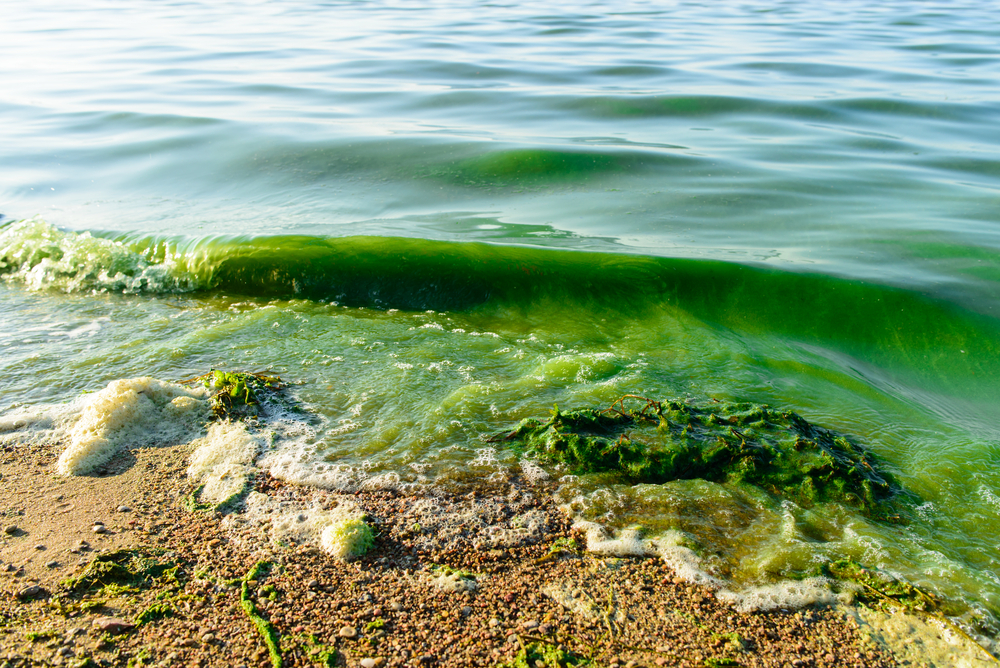
EFDC+ eutrophication model has been refactored and enhanced with the definition of a general phytoplankton group.
Lake Mendota, the largest lake in Madison, Wisconsin, exhibits complex thermal dynamics with pronounced summer stratification and reverse winter stratification under ice cover.
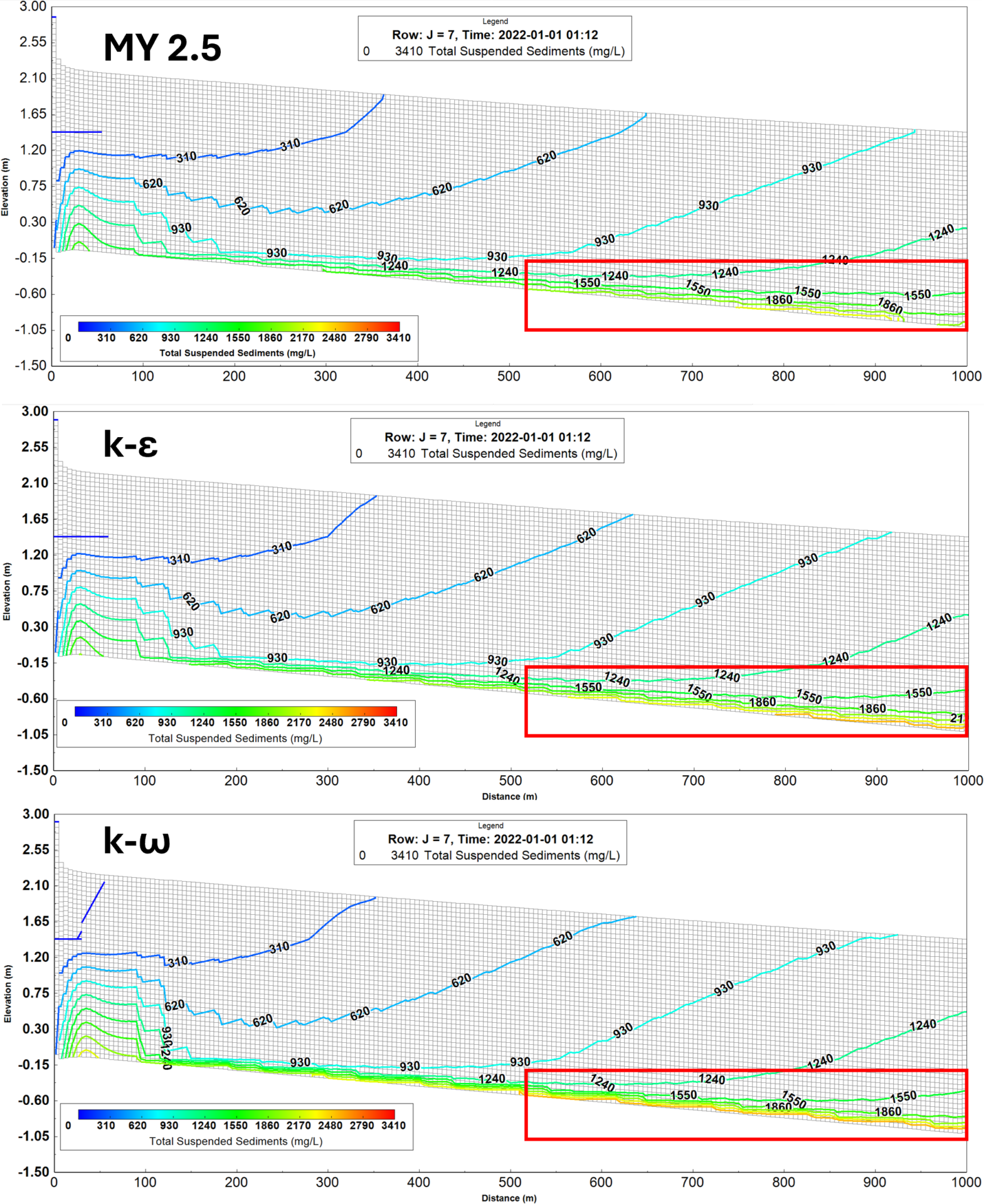
Sediment transport in open channel flows is influenced by turbulence, which governs the distribution of momentum and sediment throughout the water column.
Developing a hydrodynamic or a water quality model may require input of boundary conditions from other models.

The Water Quality Analysis Simulation Program (WASP) is a dynamic, spatially-resolved
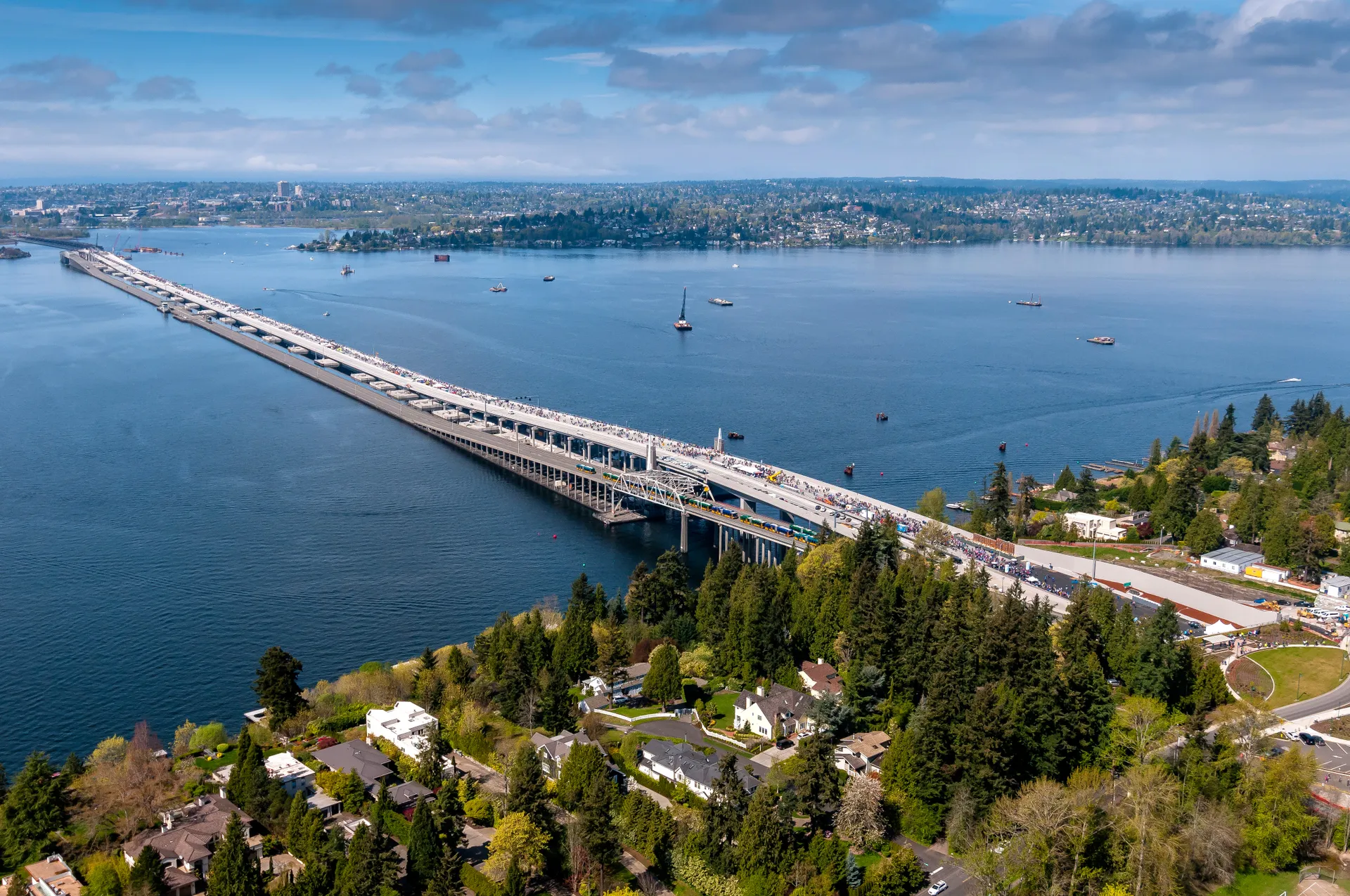
Partial flow blocking was added as a feature of EEMS with version 10.1.
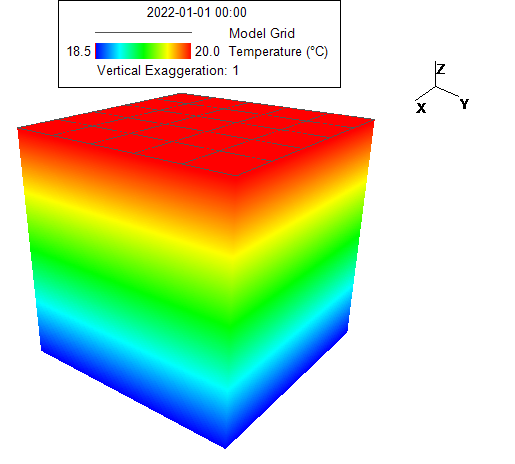
This blog discusses the results of a free convection test case performed with different turbulence closures available in EEMS 12.
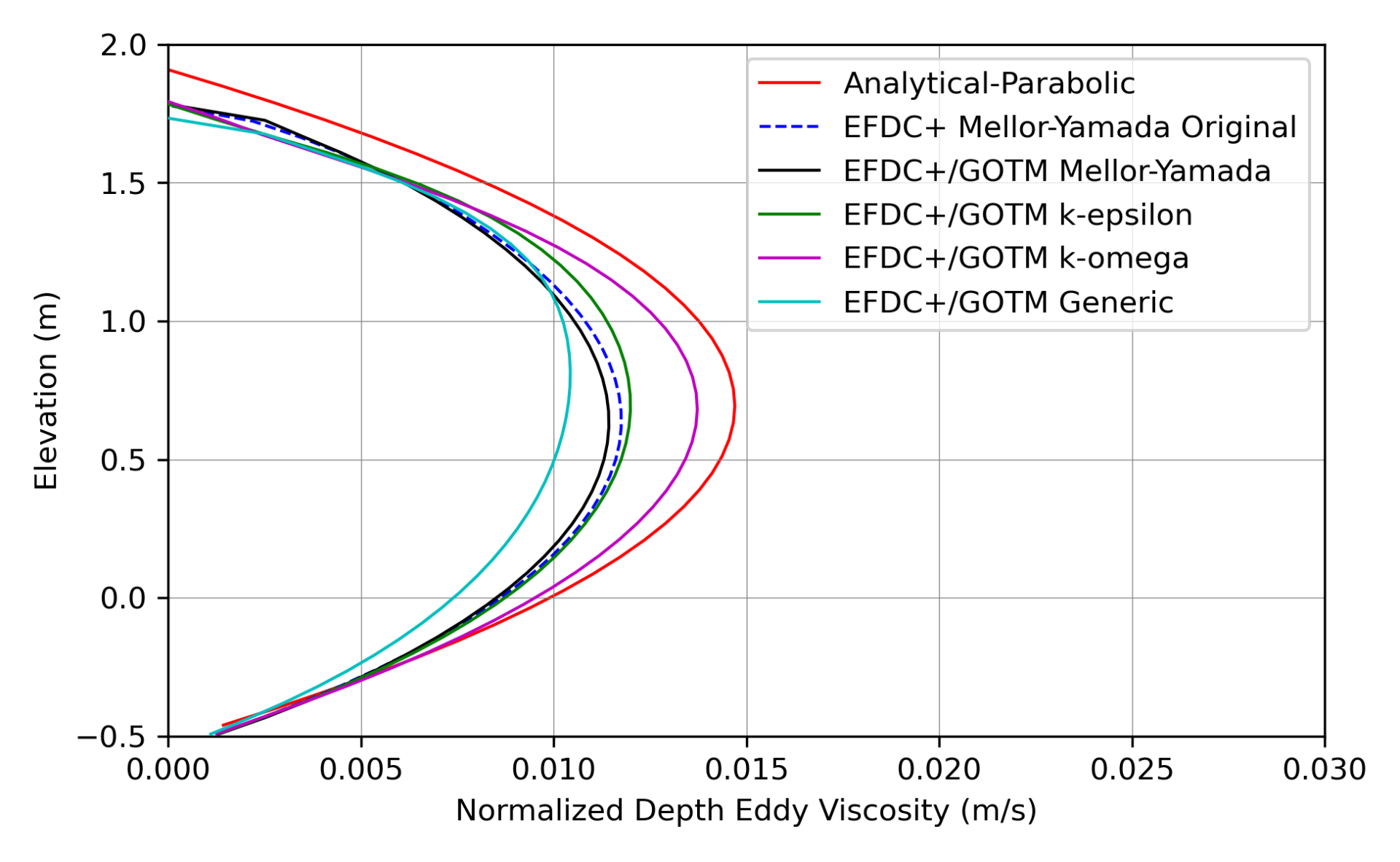
The choice of turbulence closure scheme has important consequences on model results through mixing and circulation (Burchard et al., 1998)
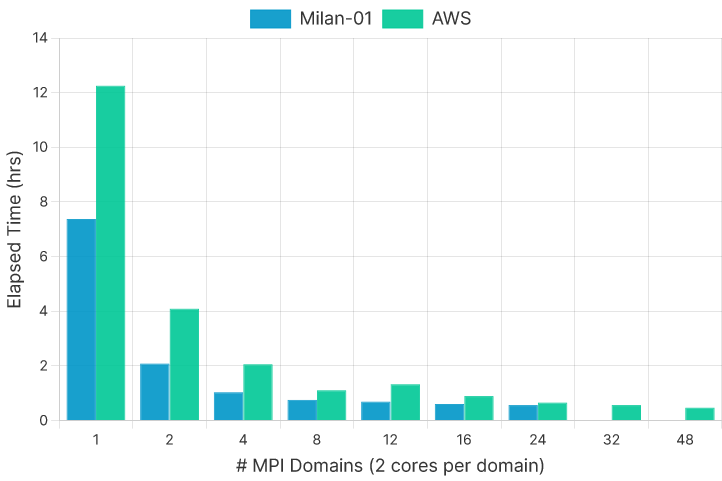
In 2020, DSI implemented MPI in EFDC+ to improve model run time.
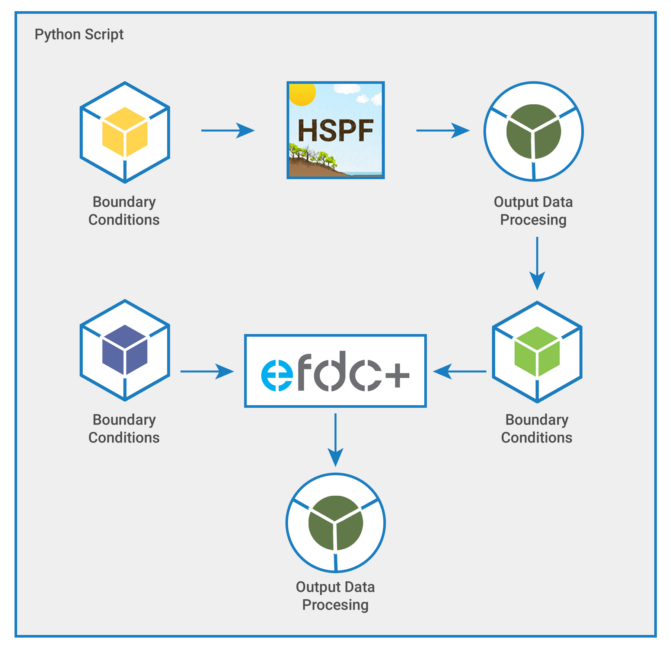
Developing a hydrodynamic or a water quality model often requires boundary conditions from other sources
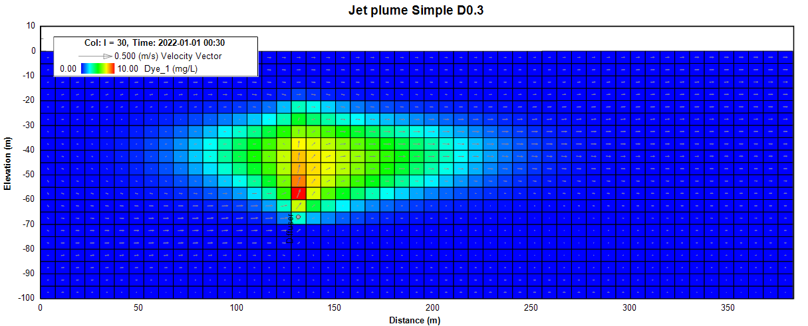
Simulation of jets and plumes is an essential aspect of computational fluid dynamics. Jet and plume modeling is required in many natural and industrial applications
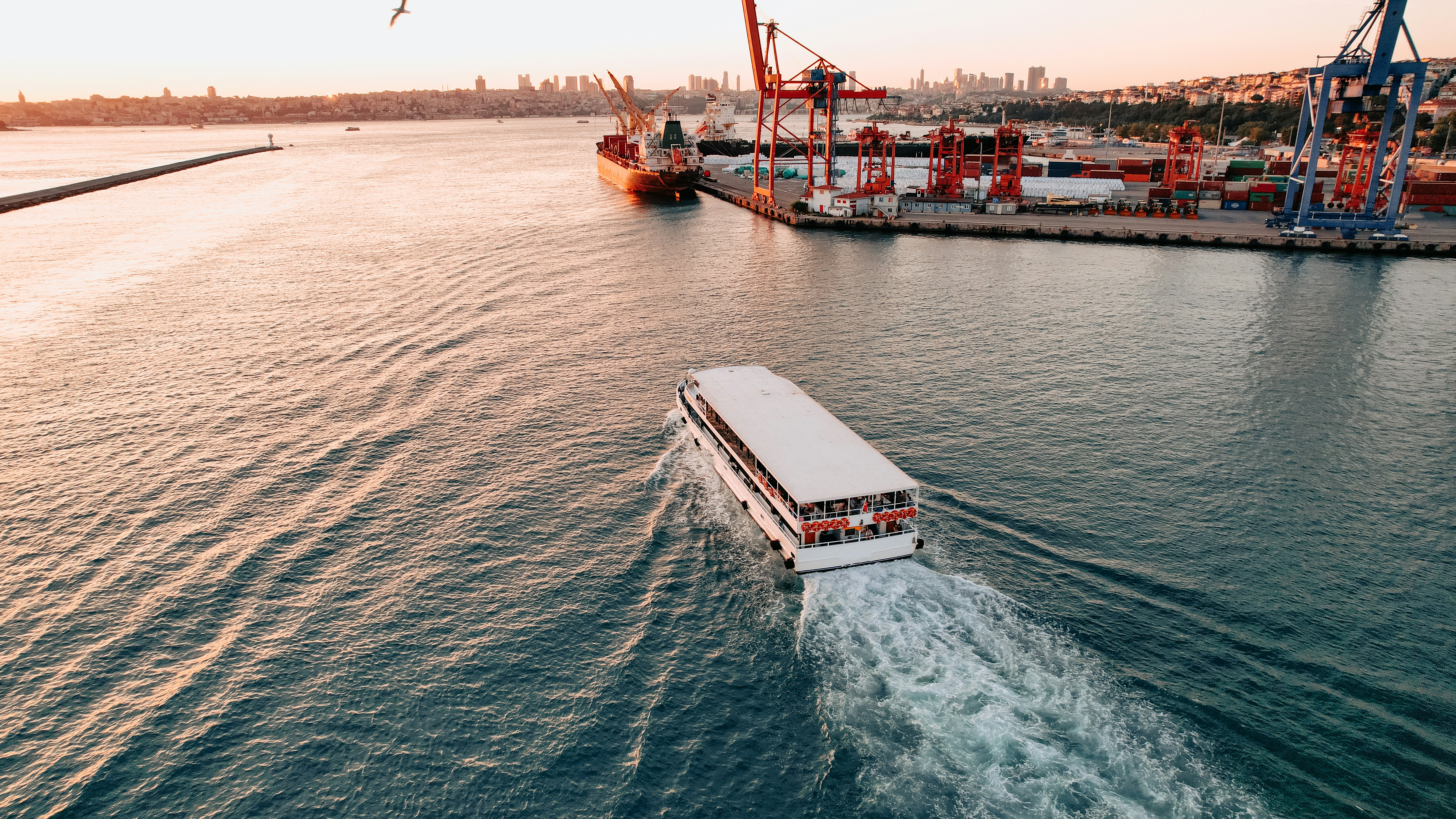
Developing a propeller wash model requires specifying the ship and propeller properties as model input parameters.
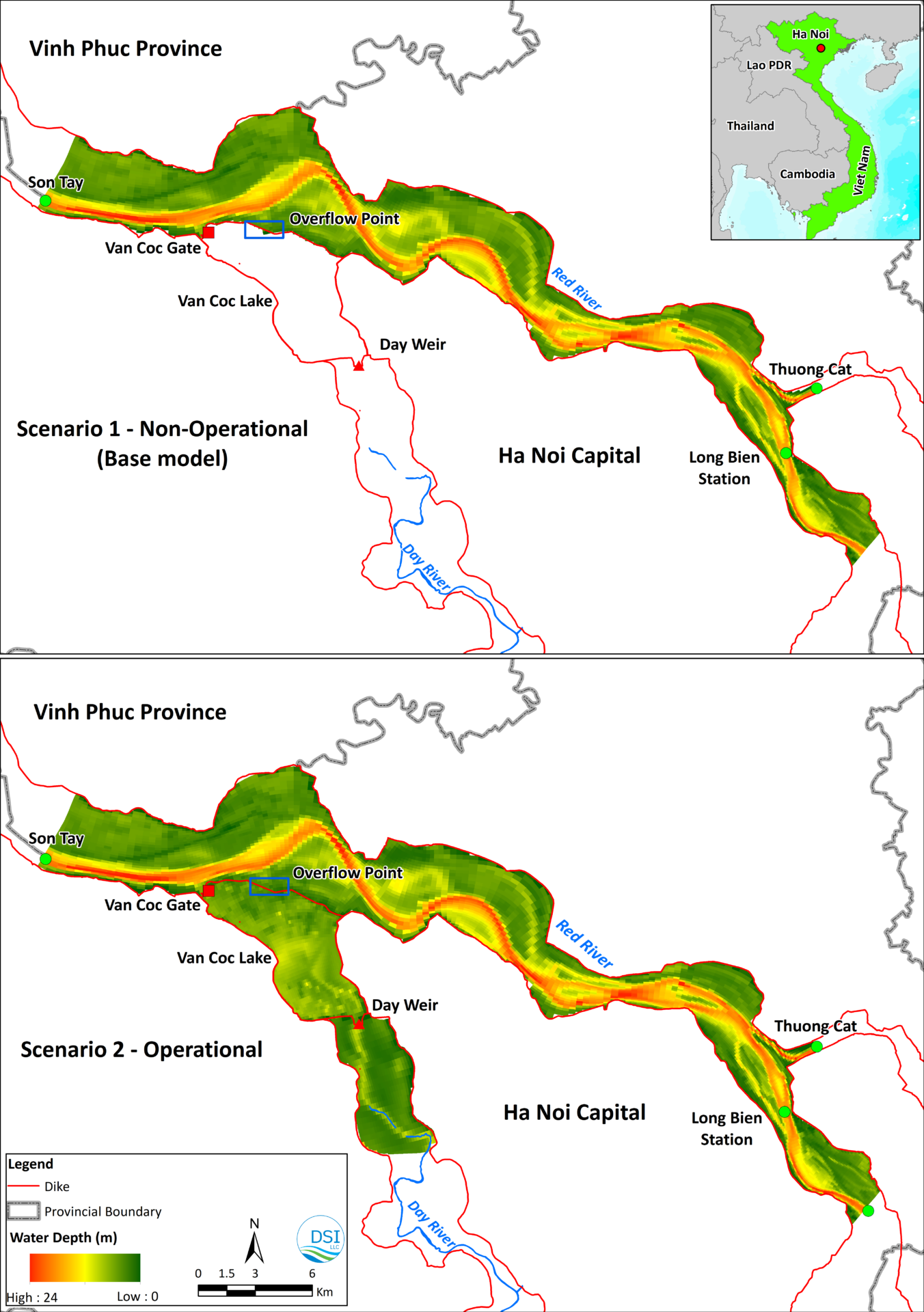
Hanoi, Vietnam's second-largest city, lies in the Red River Delta, a region prone to heavy rainfall and flooding, with risks exacerbated by climate change